Bowed Walls? Restore Stability with Carbon-Fiber Solutions
Bowed walls are a common issue for homeowners in Ontario, especially those with older properties. Left unchecked, they can compromise the structural integrity of your home, leading to costly repairs. At DryBasements.com Ltd., we offer state-of-the-art carbon-fiber solutions to address and rectify bowed walls, ensuring long-term stability and peace of mind. This guide will explore the causes of bowed walls, the benefits of carbon-fiber reinforcement, and why it's an ideal solution for your home. By taking proactive measures, you can maintain the safety and value of your property.
What Are Bowed Walls?
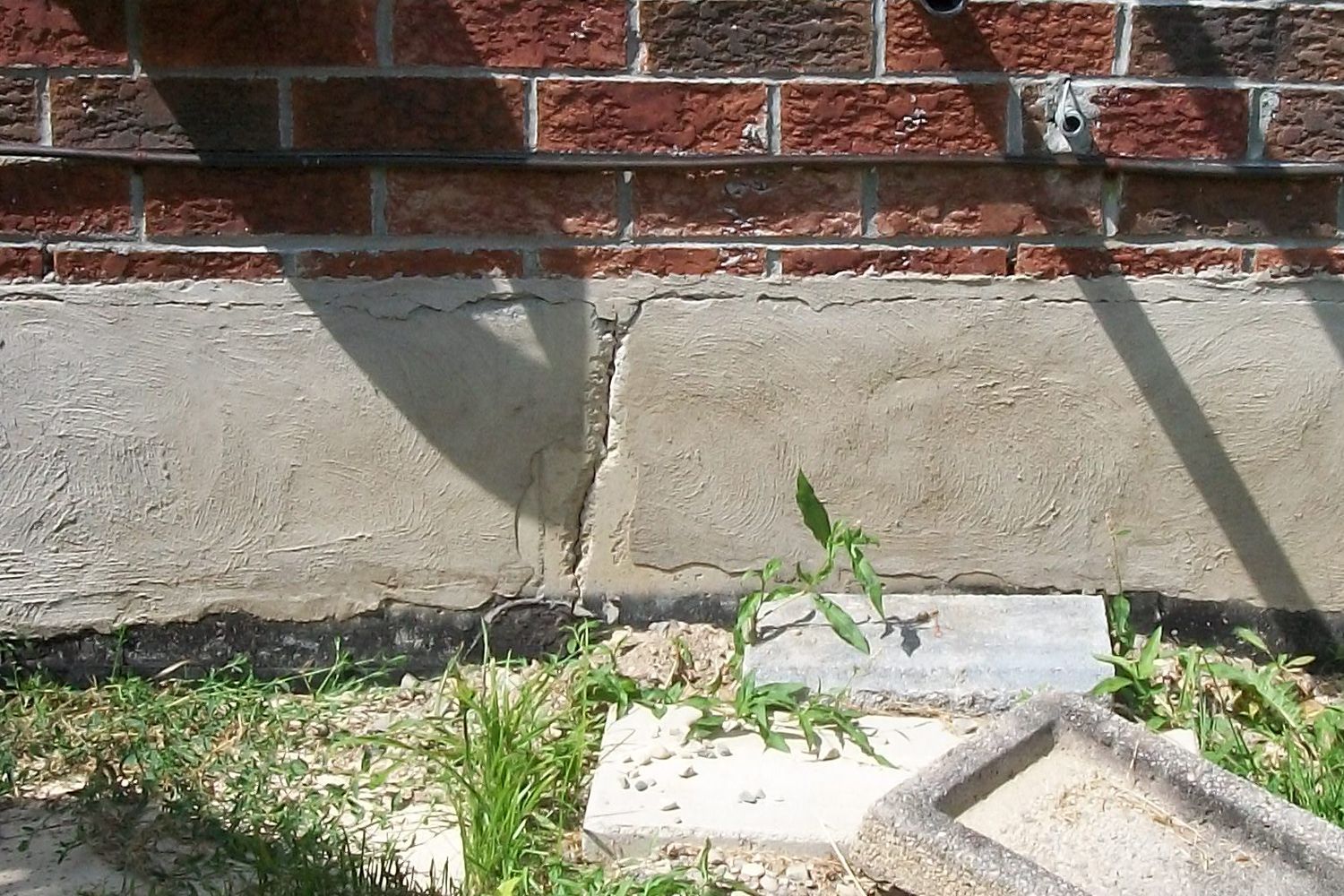
Bowed walls occur when the walls of your basement curve inward. This is often due to external pressure from soil, water, or inadequate drainage systems. Over time, this pressure can cause walls to crack, bulge, or bow inward, posing a significant risk to your home’s stability.
Common Causes of Bowed Walls
1. Hydrostatic Pressure: Excess moisture in the soil around your foundation creates hydrostatic pressure, which pushes against basement walls and causes them to bow inward.
2. Soil Expansion: Expansive soils, such as clay, can absorb water and swell. This expansion exerts pressure on basement walls, leading to bowing.
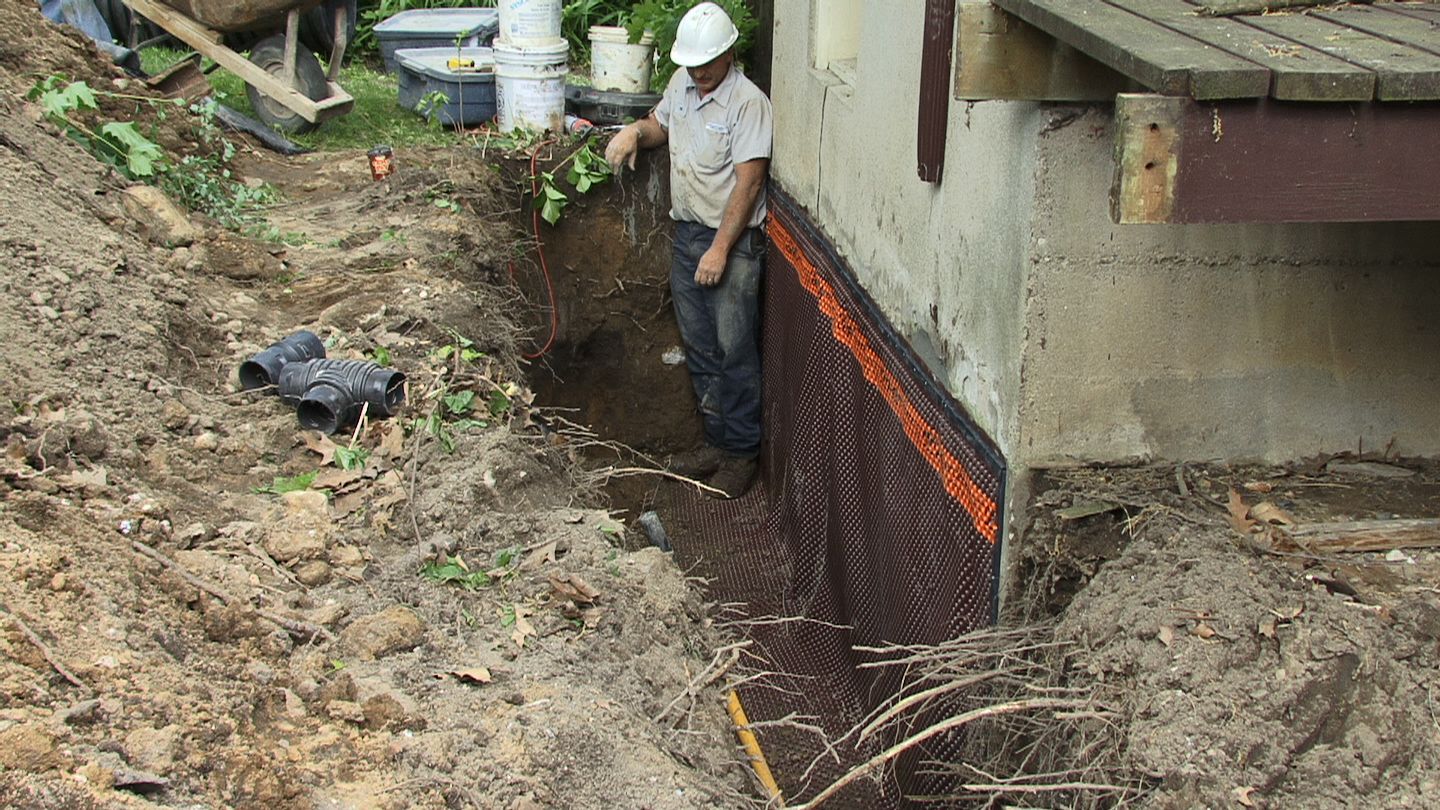
3. Poor Drainage: Inadequate drainage systems can lead to water accumulation around your home’s foundation, increasing pressure on walls.
4. Foundation Settling: Uneven settling of the foundation can shift walls out of alignment, causing bowing and structural instability.
The Risks of Ignoring Bowed Walls
Ignoring bowed walls can have serious consequences for your home, including:
1. Structural Damage: Ongoing pressure and instability can compromise your home’s structural integrity, leading to extensive and costly repairs.
2. Water Infiltration: Bowed walls can create gaps, allowing water to seep into your basement, resulting in moisture issues, mold growth, and potential flooding.
3. Decreased Property Value: Structural issues like bowed walls can significantly reduce your home’s market value, making it harder to sell in the future.
Why Choose Carbon-Fiber Solutions?
The Advantages of Carbon Fiber
Carbon fiber is an advanced and effective solution for stabilizing bowed walls. It offers several advantages over traditional repair methods:
1. High Strength-to-Weight Ratio: Carbon fiber is incredibly strong yet lightweight, making it ideal for reinforcing and stabilizing walls without adding excessive weight.
2. Non-Intrusive: Unlike steel beams or other bulky solutions, carbon-fiber strips are thin and non-intrusive, meaning they don’t take up valuable space or disrupt your basement’s aesthetics.
3. Durability: Carbon fiber does not rust or corrode, ensuring long-lasting protection and stability for your walls.
4. Minimal Maintenance: Once installed, carbon-fiber reinforcements require little to no maintenance, providing a hassle-free solution.
5. Cost-Effective: Carbon-fiber solutions are often more affordable than traditional repair methods, providing a cost-effective way to restore stability to bowed walls.
How Carbon-Fiber Solutions Work
Carbon-fiber reinforcement involves applying strong, adhesive-backed carbon-fiber strips or straps to the interior of basement walls. These strips are anchored to the top and bottom of the wall to provide maximum resistance against external pressure. The installation process is straightforward and can typically be completed in a matter of days, allowing homeowners to quickly restore their basement’s stability.
The Installation Process
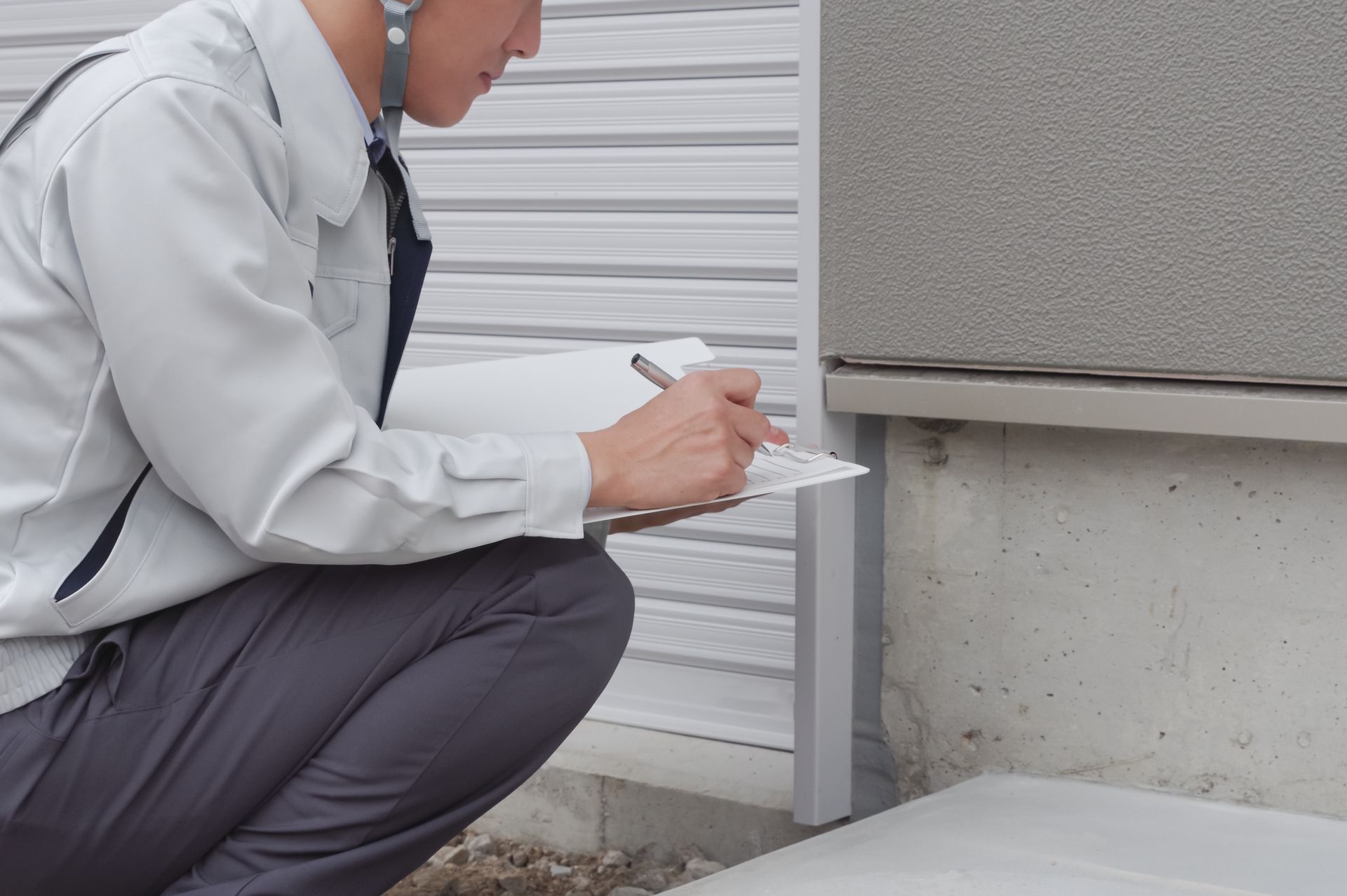
1. Wall Assessment: A professional will assess the condition of your basement walls to determine the extent of bowing and the appropriate number of carbon-fiber strips needed.
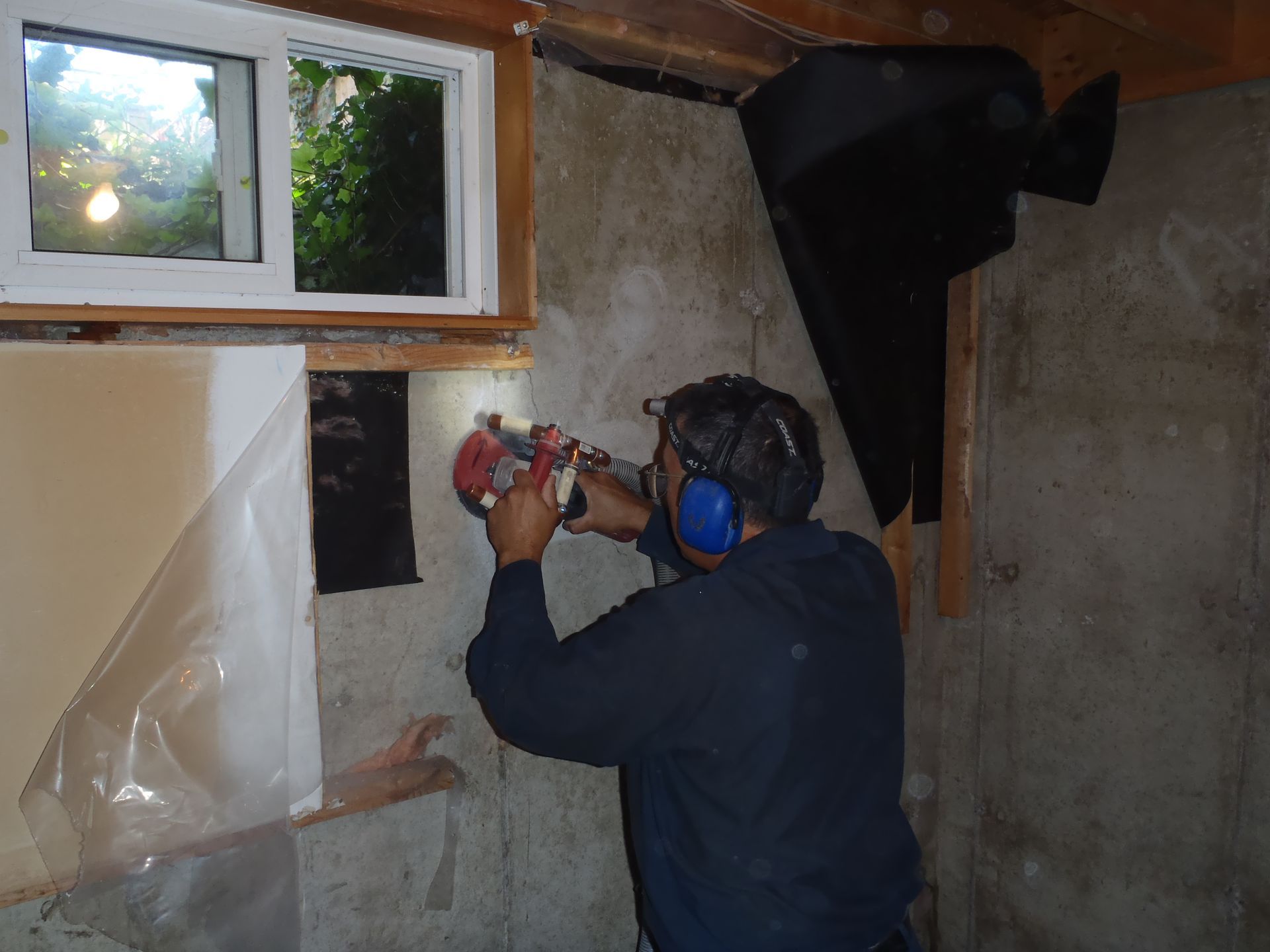
2. Surface Preparation: The wall surface is cleaned and prepped to ensure the carbon fiber adheres properly.
3. Strip Application: Carbon-fiber strips are applied vertically along the wall and secured with high-strength epoxy.
4. Anchoring: The strips are anchored into place to provide added stability and prevent further bowing.
5. Inspection: Once installed, the solution is inspected to ensure it effectively reinforces the wall.
Professional Carbon-Fiber Installation by DryBasements.com Ltd.
When it comes to addressing bowed walls, professional installation is crucial to ensure effective and lasting results. At DryBasements.com Ltd., our team of experts has extensive experience with carbon-fiber solutions and is committed to restoring the stability of your home. We use high-quality materials and proven techniques to deliver superior results and peace of mind.
If you’re experiencing bowed walls in your basement, don’t wait for the problem to worsen. Contact DryBasements.com Ltd. today to schedule a consultation and learn more about how our carbon-fiber solutions can stabilize your home. Call us at (519) 473-0561 or email us at office@drybasements.com to take the first step toward a safer, more secure home.
Bowed walls can pose a significant threat to the stability and safety of your home. By choosing carbon-fiber solutions from DryBasements.com Ltd., you can effectively address this issue with a reliable, cost-effective, and minimally intrusive solution. Protect your home’s structural integrity and value by taking action today. Trust our team to provide expert guidance and service, ensuring your home remains safe, stable, and comfortable for years to come.