Fixing Bowed Walls: Soil Pressure Reality and Structural Repairs
Noticing a curve or bulge in your foundation is a stressful moment for any property owner. Fixing bowed walls requires understanding exactly what is happening beneath the soil surface outside your home. At DryBasements.com Ltd. we see firsthand how untreated soil pressure leads to serious structural failure. Finding a permanent repair means moving past temporary patches and looking at proper reinforcement methods.
The root cause of a buckling foundation is rarely a mystery to those in the trade. Hydrostatic pressure builds up when saturated soil pushes heavily against your concrete blocks or poured walls. When the pressure exceeds the load bearing capacity of the wall it begins to push inward. We approach this problem by identifying the source of the pressure and applying proven stabilization techniques to stop the movement for good.
In This Article:
- Hydrostatic Pressure and Soil Expansion
- How Carbon Fiber Reinforcement Stops Movement
- The Reality of DIY Foundation Attempts
- Navigating the Costs of Fixing a Bowed Wall
Hydrostatic Pressure and Soil Expansion
When soil around your property absorbs excessive moisture it expands significantly. This expanding earth presses against your foundation with incredible force. Over time this constant stress causes the wall to bow inward or develop horizontal cracks. Homeowners in Woodstock ON frequently encounter this issue when heavy clay soils surround their basements. Stopping the bow requires relieving that external pressure and securing the wall from the inside.
→ From a professional standpoint: Relieving external soil pressure is just as critical as internal reinforcement for a permanent fix.
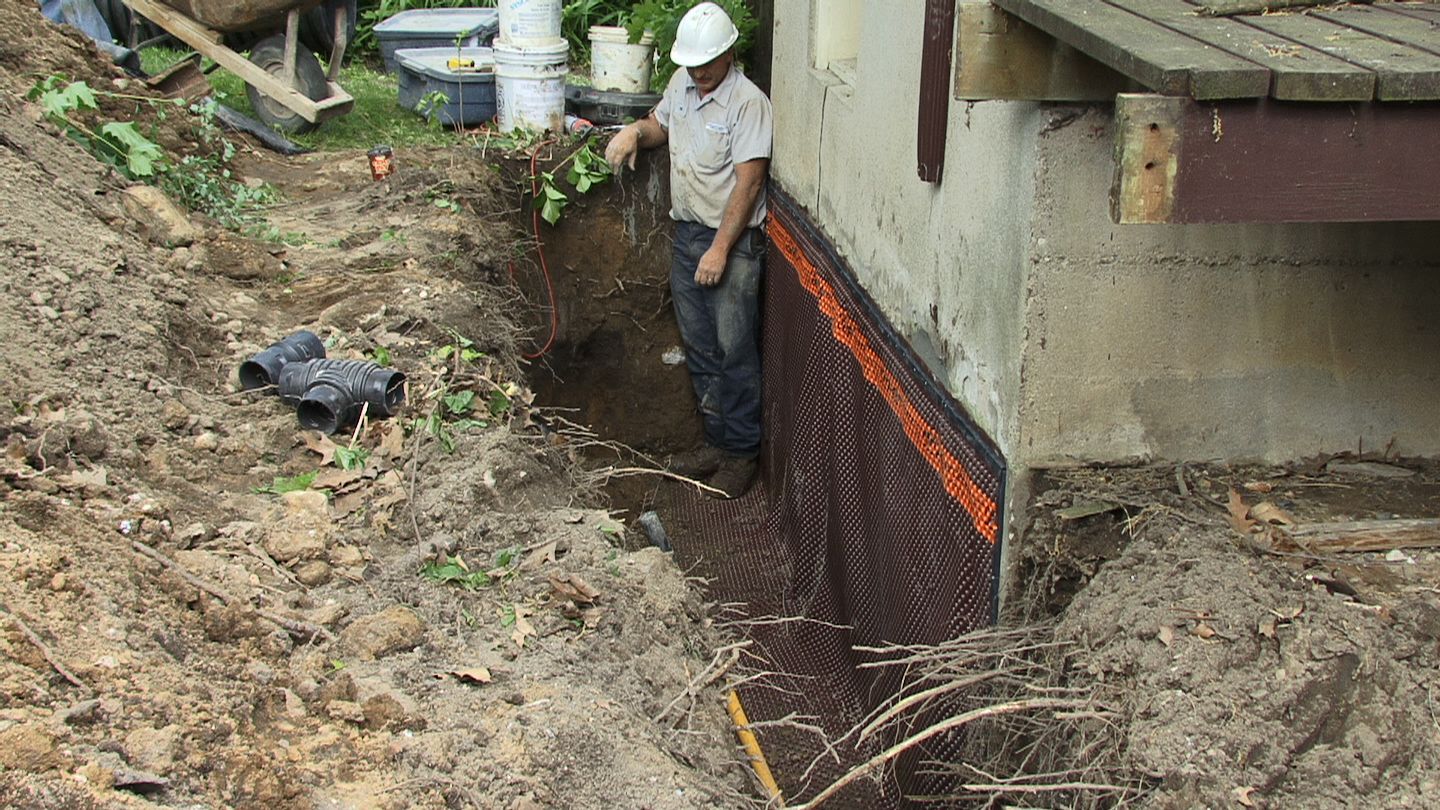
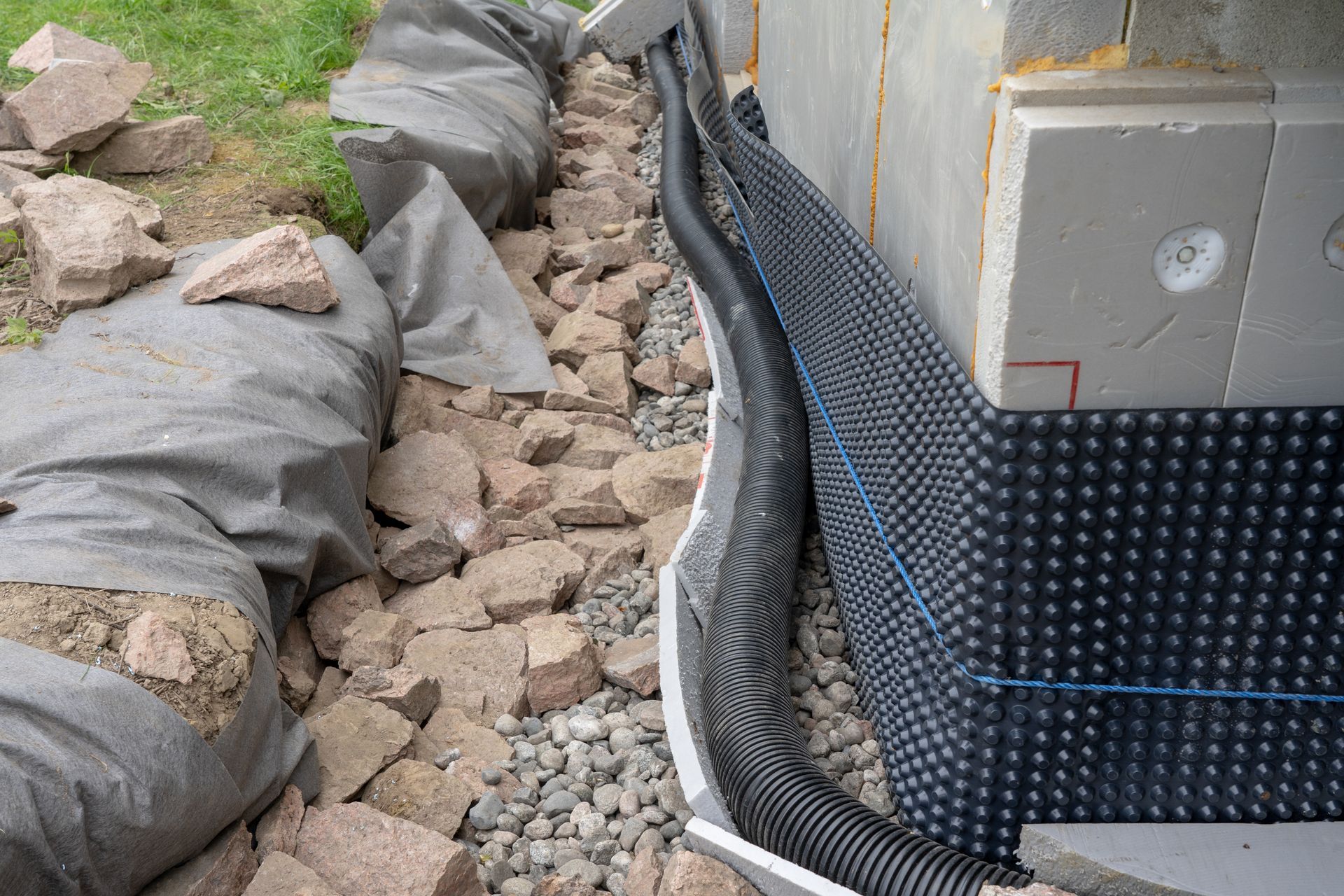
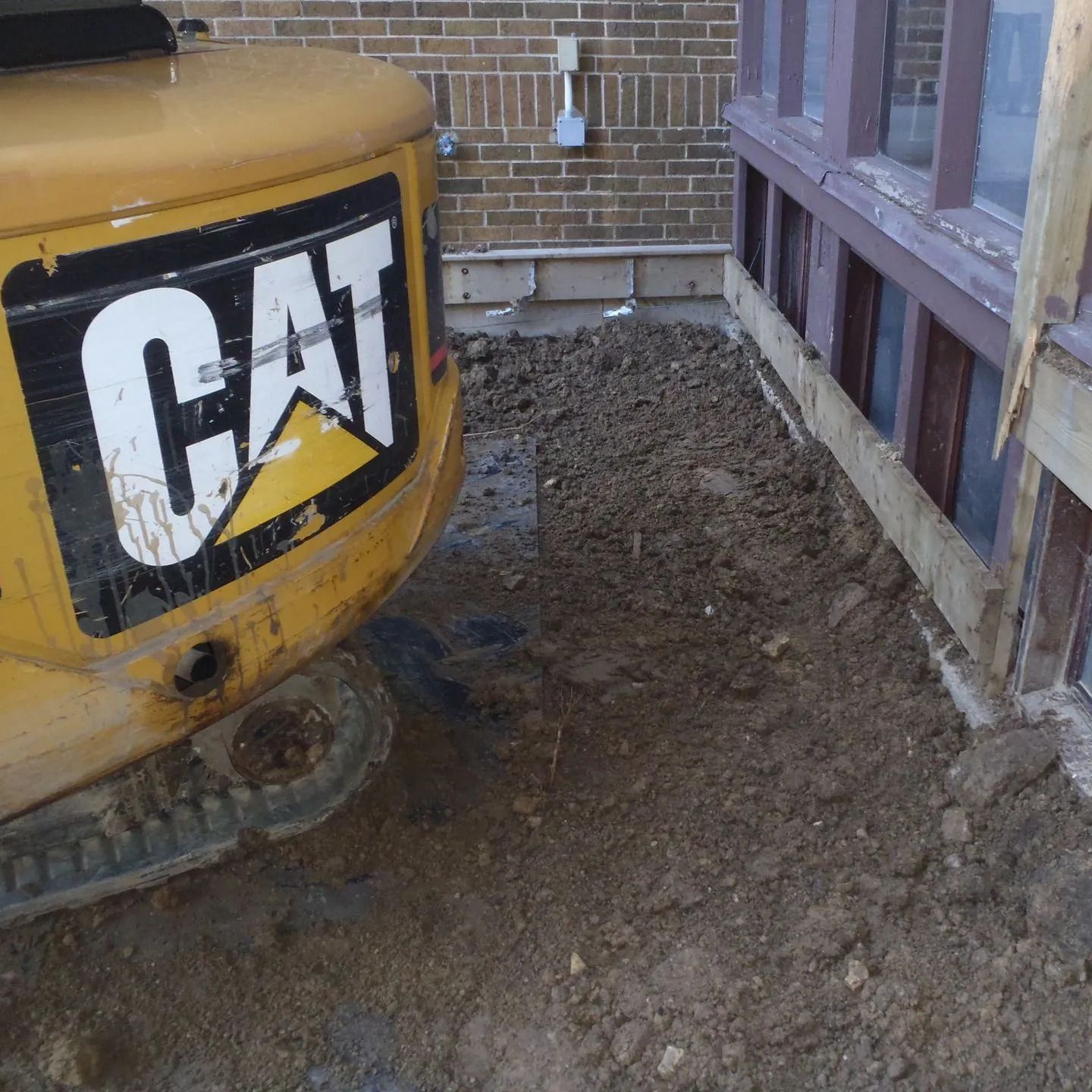
Often we pair internal repairs with exterior excavation to remove the saturated soil and apply fresh waterproofing materials. This combination approach stops the immediate threat and prevents future water infiltration. By addressing the exterior conditions you give the interior repairs a chance to hold permanently.
How Carbon Fiber Reinforcement Stops Movement
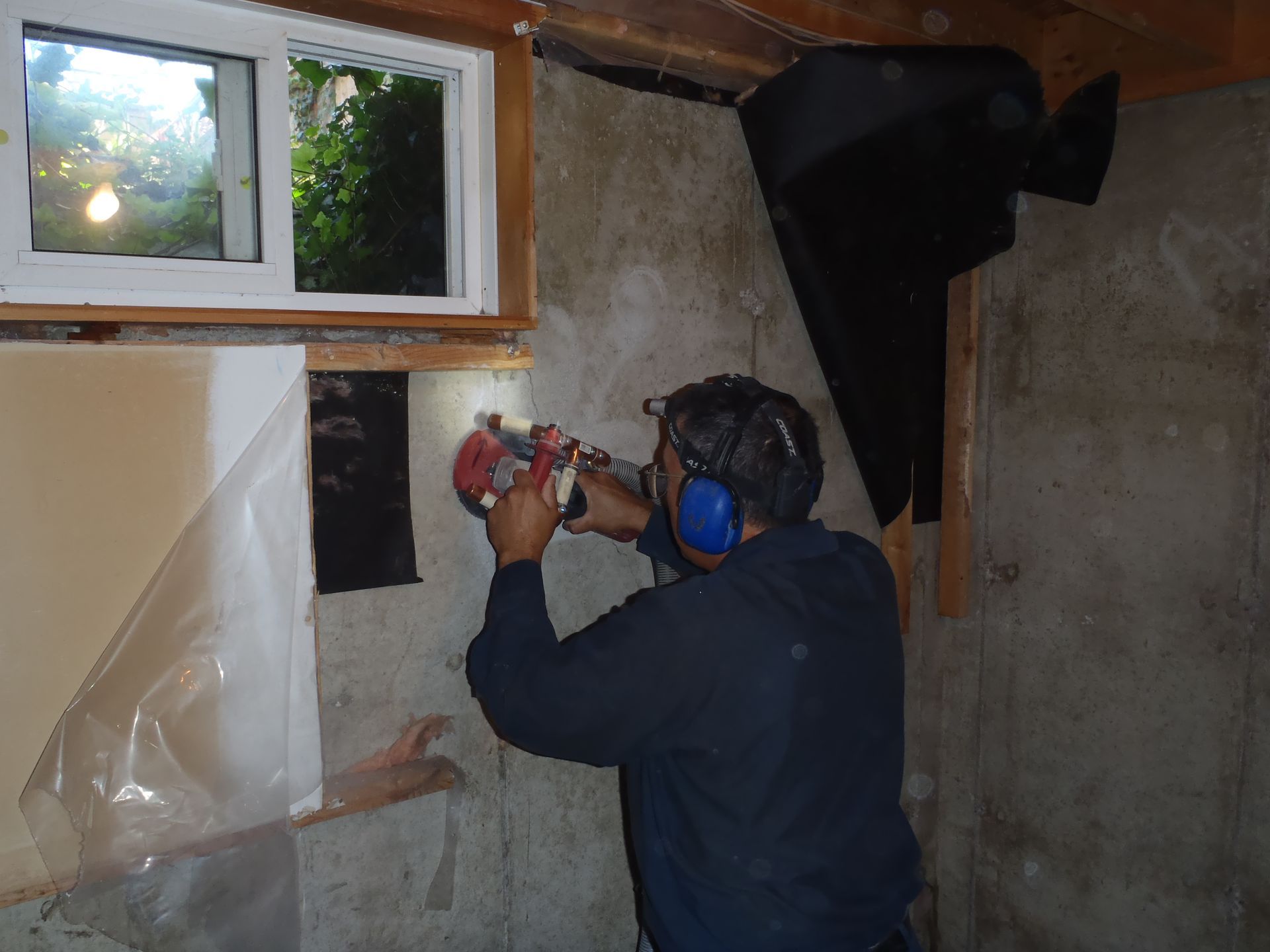
Once a wall begins to bow it has lost a significant portion of its original tensile strength. Pushing it back into place requires more than just standard concrete patching. We utilize carbon fiber reinforcement using Fortress technology to lock the wall into a stable position. These unidirectional straps bond directly to the wall and attach to top and bottom anchors to redistribute the weight and stop further inward movement.
→ A quick tip to remember: Carbon fiber straps lay flat against the wall and can be painted over for a clean finish.
This method is highly effective for walls that have deflected less than two inches. If the deflection is severe foundation excavation and wall straightening might be necessary to push the concrete back to its original position. Either way the goal is to restore the structural integrity of the home so you can finish your basement without worrying about future collapse.
The Reality of DIY Foundation Attempts
Attempting to fix structural foundation issues without professional equipment is a dangerous path. Many property owners try to use hydraulic jacks or temporary bracing to push a bowed wall back into place. These DIY methods usually fail because they do not address the external soil pressure or utilize proper load distribution anchors. Pushing against a compromised wall without digging out the exterior soil can cause the concrete to crack further or collapse entirely.
► Do not attempt to jack a foundation wall back into place without full exterior excavation to relieve the soil weight first.
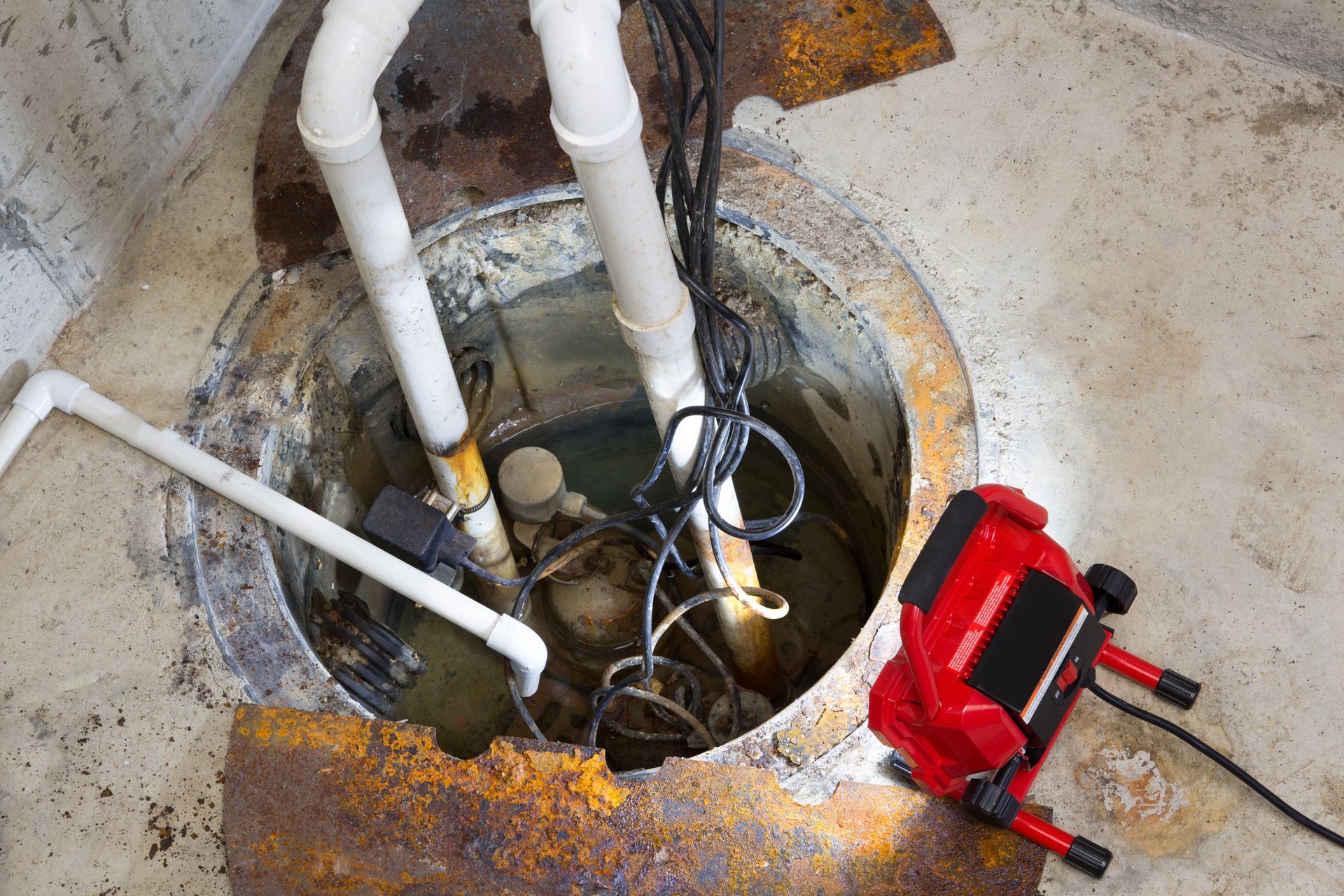
Applying surface level concrete patches over the horizontal cracks left by bowing walls is also a waste of time. The patch will simply crack again as the wall continues to move under pressure. Relying on an internal breakout system installed by trained tradespeople ensures the water penetration is handled alongside the structural repair.
Navigating the Costs of Fixing a Bowed Wall
Understanding the financial side of foundation repair helps homeowners plan effectively for necessary work.
How much does it cost to fix a bowing basement wall?
The total expense depends heavily on the severity of the bow and the repair method required. Applying carbon fiber straps to a slightly deflected wall is much more cost effective than a full foundation excavation and wall straightening project. If the bowing has caused significant water infiltration you may also need to factor in an internal drainage system. A thorough inspection of the property is the only way to provide an exact figure for a permanent structural solution.
Securing Your Foundation for the Long Term
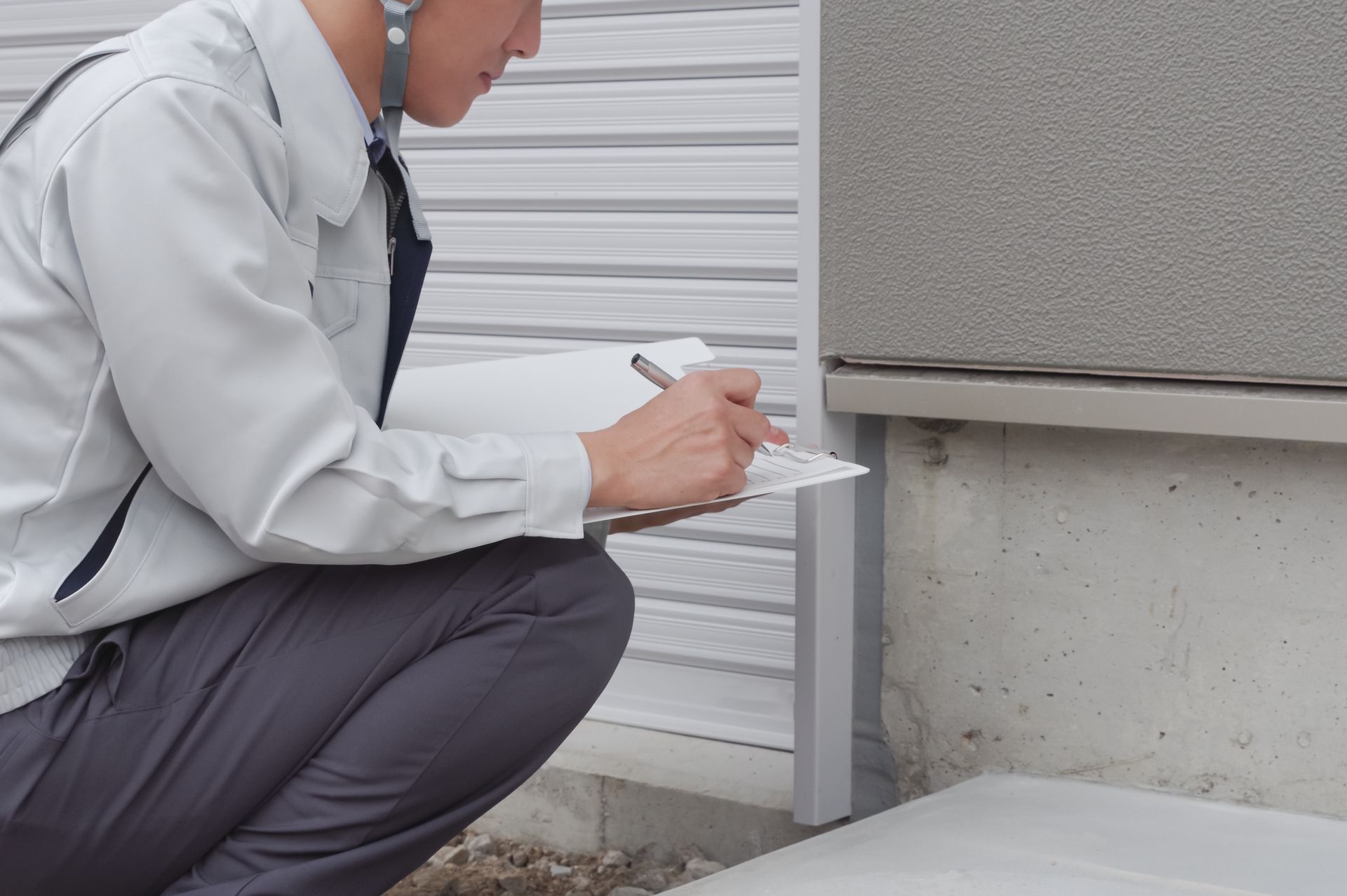
Knowing exactly what is happening behind your basement walls allows you to make smart choices about structural repairs. Leaving a bowing wall to handle the weight of expanding soil on its own will inevitably lead to worse damage and higher repair bills down the road. Protect the value and safety of your property by addressing hydrostatic pressure before the concrete fails completely. Reach out to schedule a full foundation inspection and get a straight answer on what your walls need.