Corner Foundation Cracks: What to Know Before Booking Repairs
Discovering structural damage where your basement walls meet requires immediate attention and the right professional approach. At DryBasements.com Ltd. we frequently inspect properties where corner foundation cracks have compromised the stability of the entire home. These specific fractures behave differently than standard flat wall issues because they sit at the major load bearing intersections of your property. Finding a reliable fix means understanding exactly how these corners function before you commit to a repair plan.
Homeowners often feel rushed into making a decision when they spot water seeping through intersecting walls. Taking a moment to understand the mechanics of the damage ensures you book a service that actually solves the root cause. We use specialized techniques like crack stitching to bond the intersecting concrete back together permanently. Before you hire a crew for corner wall crack repair review these practical insights to protect your investment.
In This Guide:
- Understanding the Severity of the Damage
- Red Flags When Evaluating Repair Quotes
- Questions to Ask Your Contractor Before You Book
- Making the Right Repair Decision
Understanding the Severity of the Damage
Not all basement fractures pose the same level of threat to your home. When damage occurs at the ninety degree intersections of your concrete it impacts how the entire structure distributes weight. Homeowners in St. Thomas ON often deal with heavy soil expansion that places immense pressure on these specific load points. Before booking a repair it is vital to know exactly what you are looking at to ensure the right method is applied.
Are foundation cracks in corners dangerous?
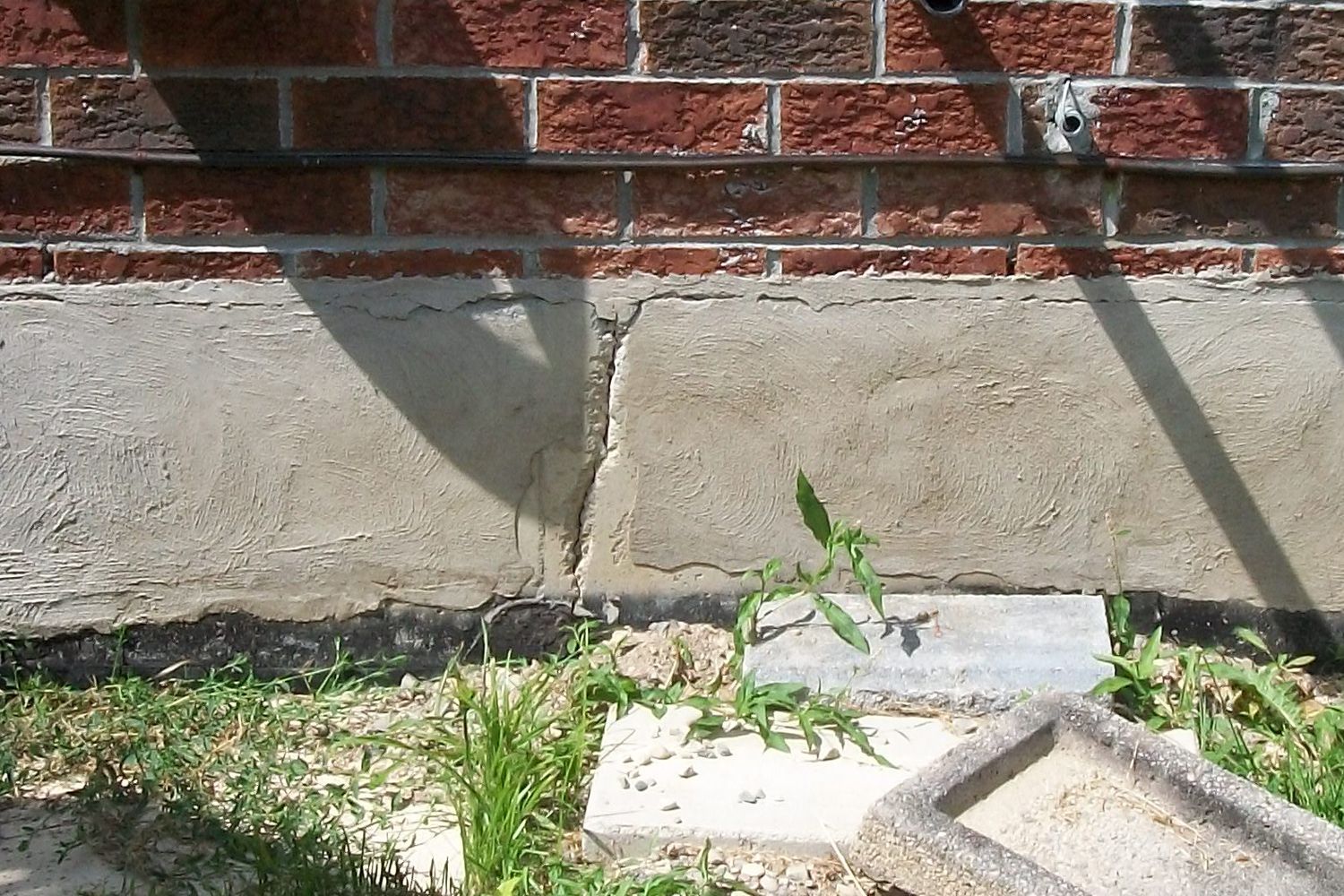
Yes because they indicate the structural tie between two independent walls has been broken or weakened. Unlike a simple shrinkage line in the middle of a wall a corner fracture allows independent movement that can lead to shearing or wall collapse.
- Structural Shifting: When the corner bond breaks the walls can shift in different directions under heavy soil pressure.
- Rapid Water Intrusion: Intersecting fractures open direct channels for heavy groundwater to flood your finished basement.
- Progression Speed: Corner damage tends to widen much faster than surface fractures because it bears compounding weight from the house above.
Red Flags When Evaluating Repair Quotes
The industry is full of quick fixes that do not stand up to the reality of Canadian soil conditions. When you start gathering estimates for a fix you need to separate permanent solutions from temporary patches. Understanding the trade standards for concrete stabilization protects you from paying twice for the same job. A reputable contractor will always be transparent about the limitations of surface level materials.
- Surface Epoxies Only: Avoid quotes that rely solely on simple injection resins without mechanical reinforcement to hold the corner together.
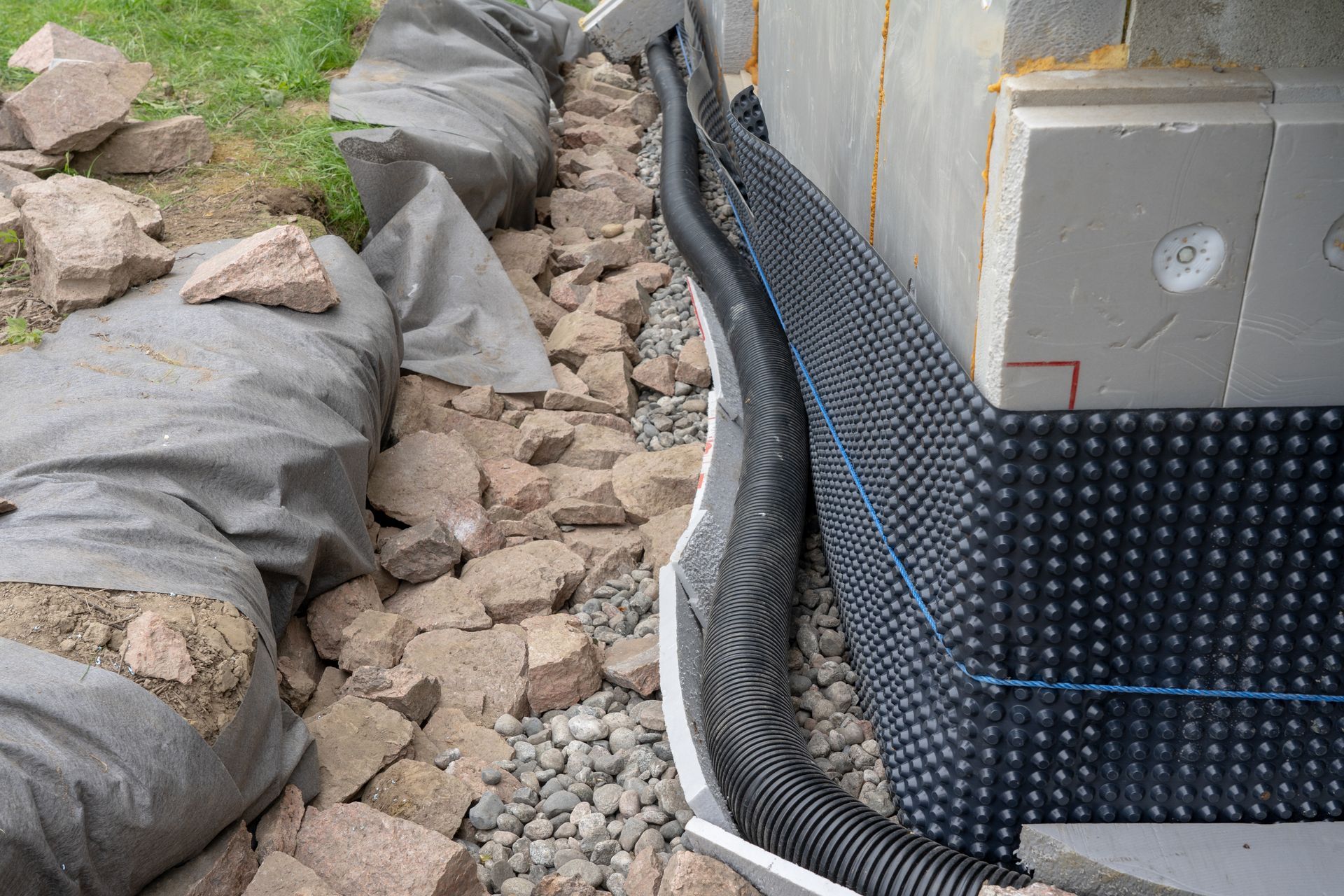
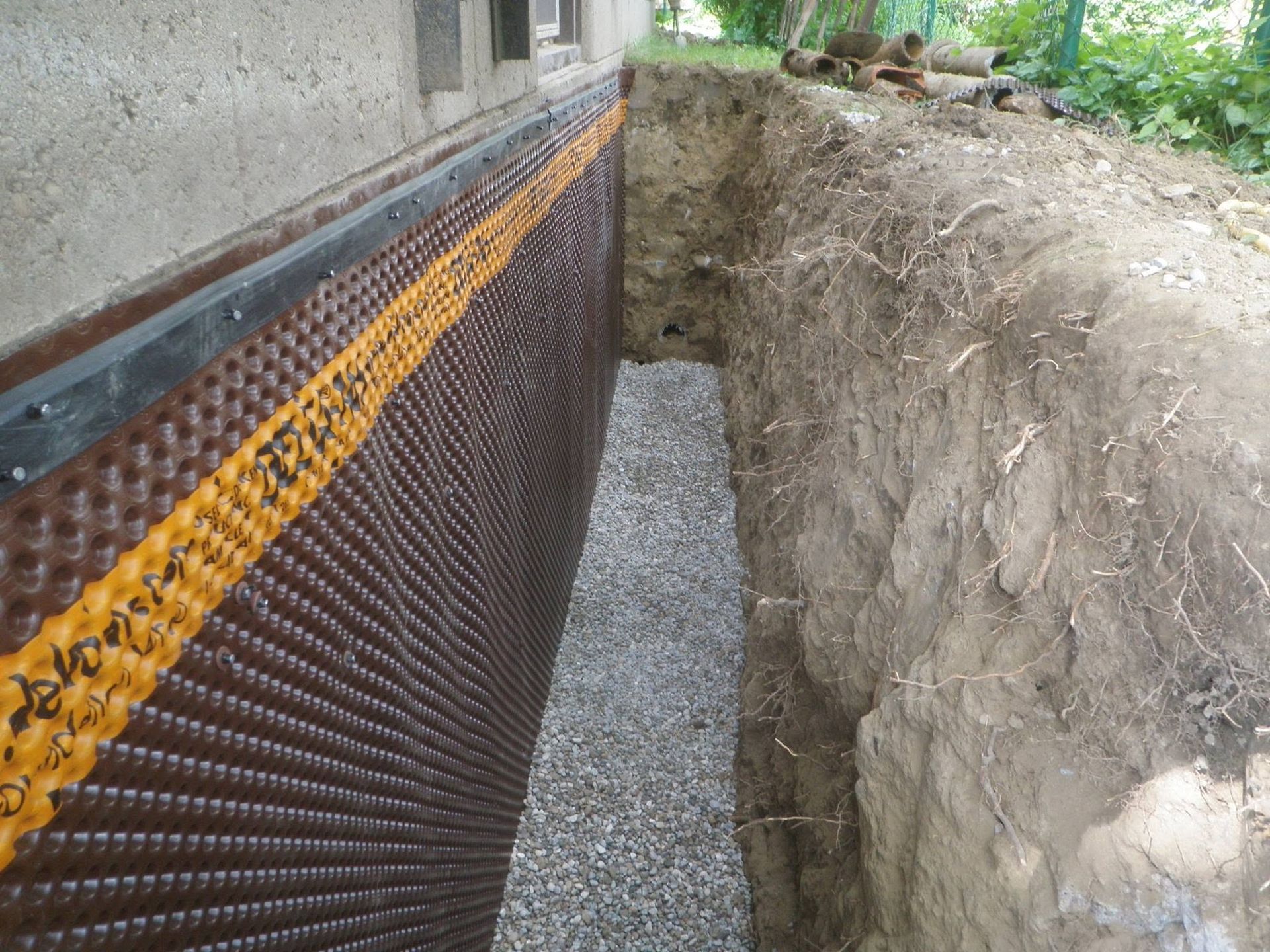
- Skipping Exterior Checks: Be wary of contractors who do not offer excavation and weeping tile inspection to see if poor drainage caused the initial soil pressure.
- Vague Warranty Terms: Do not accept verbal guarantees about the longevity of the repair without written documentation detailing what happens if the concrete shifts again.
- Lack of Diagnostic Care: Walk away if the estimator does not measure the width of the fracture or check the exterior grading before handing you a price.
Questions to Ask Your Contractor Before You Book
You have the right to demand clear technical answers from anyone working on your foundation. Knowing exactly what to ask cuts through sales pitches and reveals the actual trade knowledge of the crew. A confident tradesperson will welcome these inquiries because it shows you value quality workmanship. Ask these direct questions to ensure your corner foundation cracks will be handled properly.
- Method Verification: Do you use structural crack stitching to mechanically lock the adjoining walls back together?
- Preparation Process: How do you prepare the bare concrete to ensure the structural stitches bond securely to the existing foundation block or poured wall?
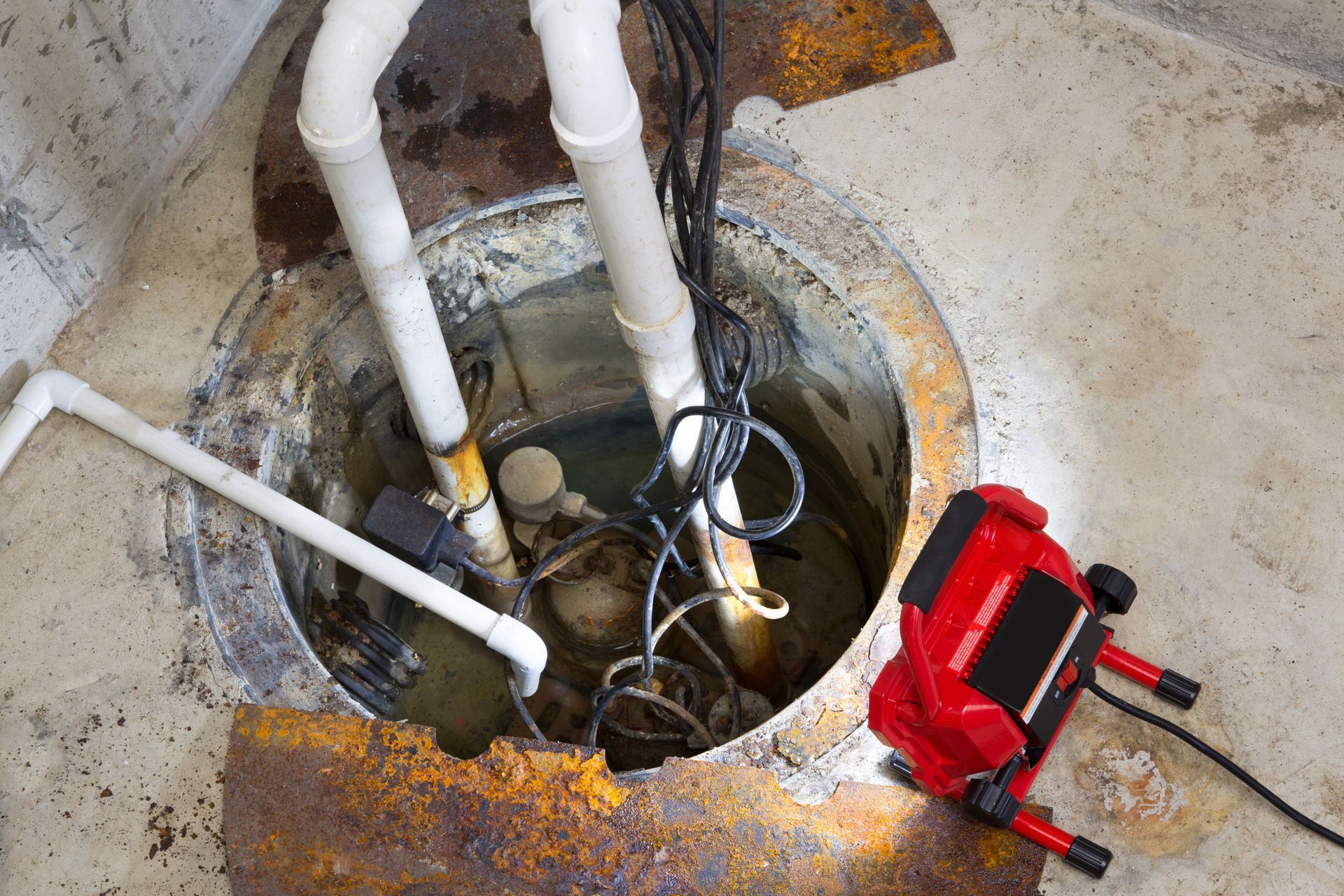
- Drainage Assessment: Will you check the internal drainage system to make sure water is not pooling under the slab and causing frost heave?
- Material Curing Times: How long does the reinforcement material take to reach full load bearing capacity before we can finish the basement walls?
Making the Right Repair Decision
Getting clear answers on mechanical reinforcement and warranties gives you the confidence to move forward with your project. You rely on those corner walls to hold up your entire house so patching them with cheap resin is never worth the risk. Take the time to vet your options and choose a team that understands the distinct structural demands of intersecting concrete. Reach out to book a thorough inspection and get a straightforward assessment of your basement walls today.