5 Clear Signs Your Homes Weeping Tile System is Failing Right Now
Your perimeter drainage plays a massive role in keeping water out of your basement. At DryBasements.com Ltd. we frequently inspect properties where a failing weeping tile system has gone unnoticed for years. Homeowners often miss the early warning signals because the actual pipes are buried deep underground. Spotting the signs of poor drainage early can save you from dealing with major foundation leaks.
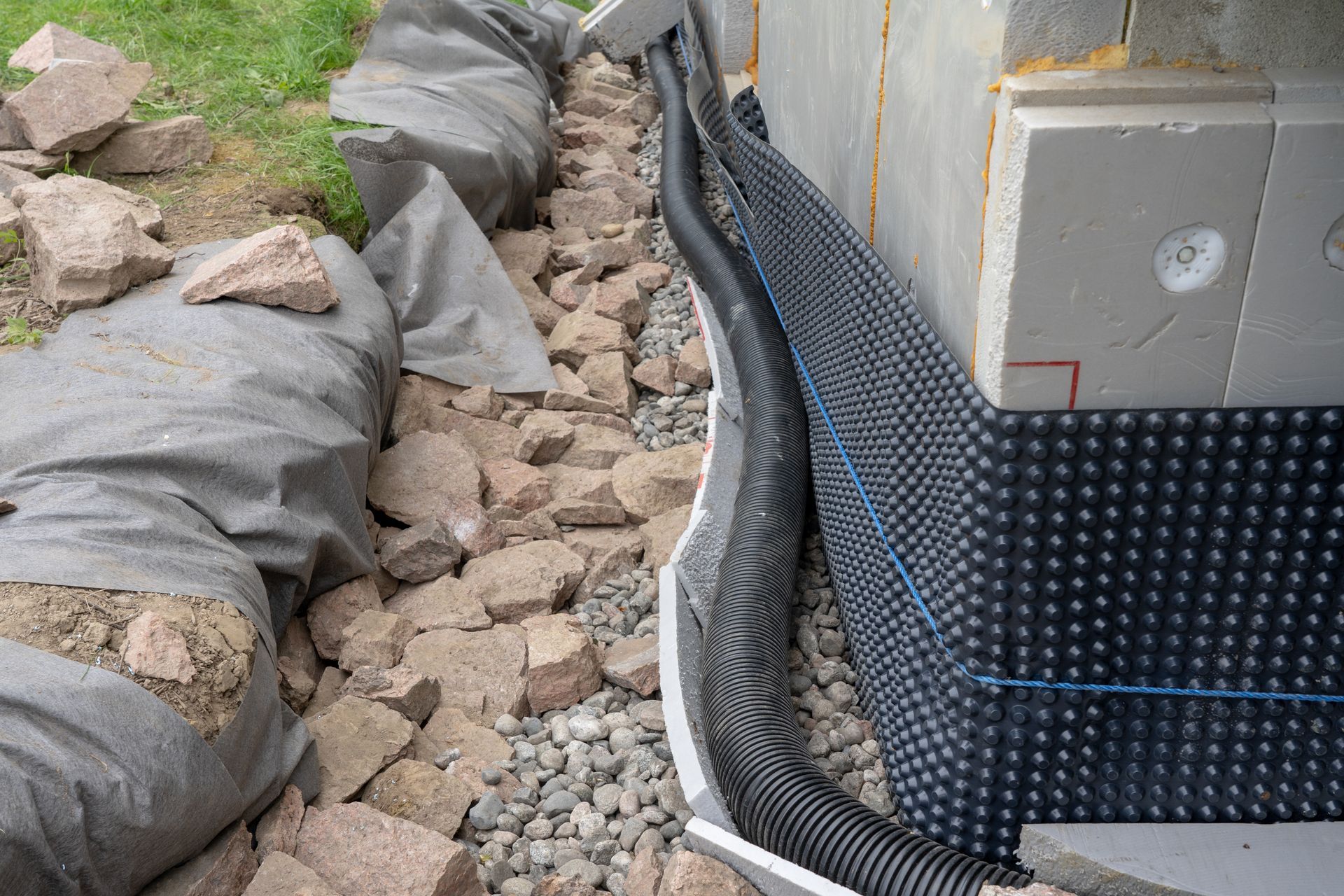
The weeping tile network relies on gravity and clear channels to direct groundwater away from your concrete footings. When soil, roots, or crushed sections block that flow the water has nowhere to go but up against your foundation walls. Recognizing the subtle symptoms inside and outside your property allows you to address the blockage before pressure builds. Proper diagnosis points the way to effective solutions like high pressure flushing or full replacement.
In This Article:
- Tip 1: Monitor Basement Humidity Levels
- Tip 2: Inspect the Base of Foundation Walls
- Tip 3: Watch for Sump Pit Inactivity
- Tip 4: Look for Soil Settling Near the House
- Tip 5: Check for Efflorescence on Concrete
- Frequently Asked Questions
Tip 1: Monitor Basement Humidity Levels
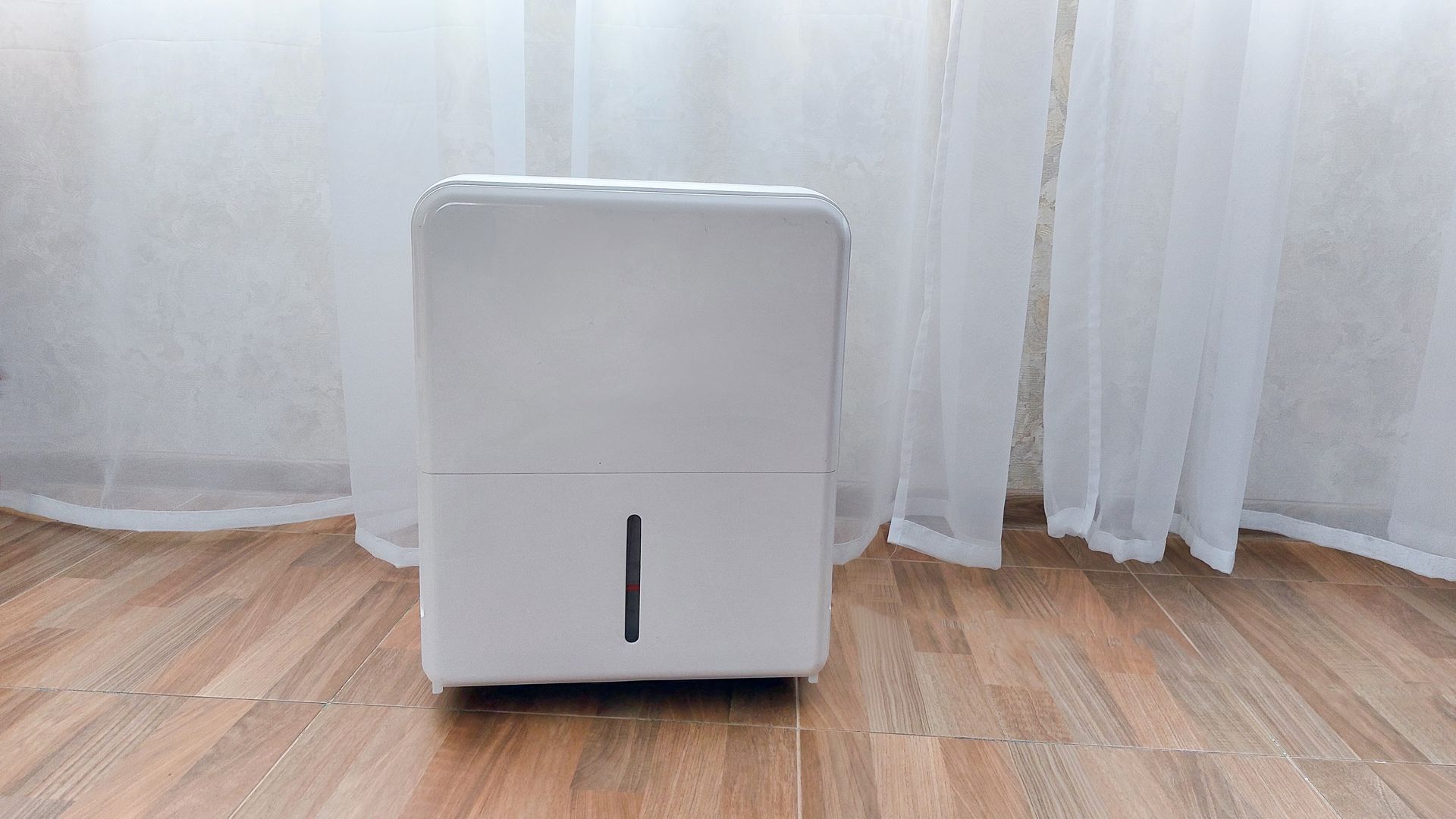
A sudden spike in indoor humidity is often the first indicator of drainage trouble. When a weeping tile gets clogged water sits against the exterior foundation and slowly permeates the concrete pores. This constant moisture transfer creates a damp environment in the basement long before actual puddles form on the floor.
- Track Musty Odours: Pay attention to earthy smells in finished or unfinished areas that do not go away with ventilation.
- Watch Window Condensation: Look for persistent fog or moisture buildup on the inside of basement windows.
- Check Cardboard Boxes: Notice if stored cardboard becomes soft or limp as it absorbs excess moisture from the air.
Tip 2: Inspect the Base of Foundation Walls
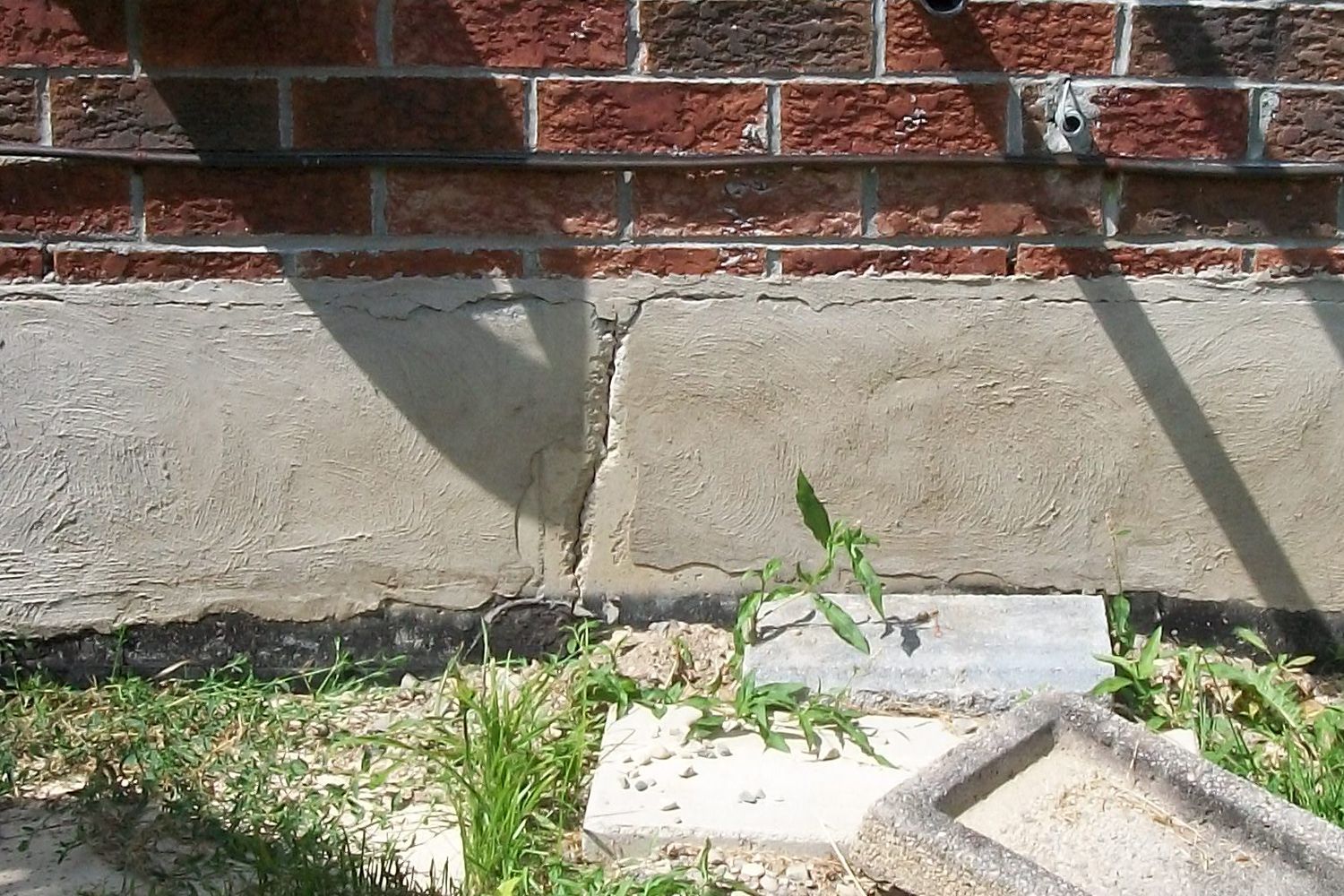
Water always takes the path of least resistance when hydrostatic pressure builds up outside. As the weeping tile fails to carry water away that pressure forces moisture through the joint where the foundation wall meets the floor. Property owners in London ON often notice this symptom just behind baseboards or stored items.
- Look for Dark Patches: Scan the bottom few inches of your concrete walls for damp dark spots that never fully dry.
- Feel the Floor Seam: Run your hand along the cove joint to feel for active dampness or cold drafts.
- Monitor Existing Cracks: Watch hairline floor cracks to see if they begin seeping water during heavy runoff periods.
Tip 3: Watch for Sump Pit Inactivity
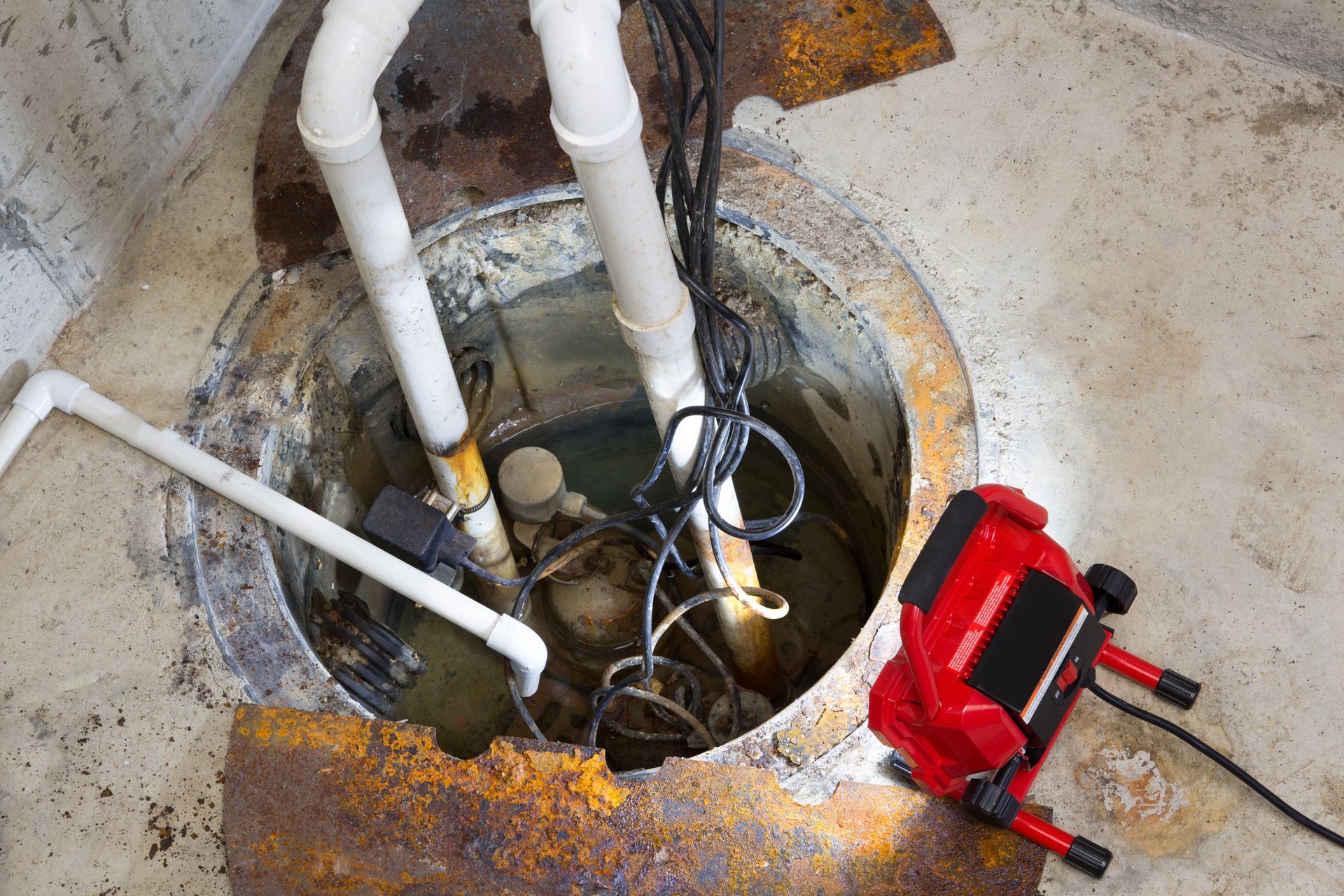
Your sump pump works directly with the weeping tile network to eject collected groundwater. If the ground outside is completely saturated but your sump pit remains empty the water is not reaching the collection point. This usually means the pipes are blocked by heavy root intrusion or sediment buildup.
- Listen for the Pump: Note how often the pump cycles during periods of heavy ground saturation.
- Inspect the Pit Inlet: Look closely at the pipe entering the sump pit to see if water is trickling in or completely blocked.
- Schedule a Flush: Consider weeping tile flushing to clear out the dirt and restore flow to the pit.
Tip 4: Look for Soil Settling Near the House
The condition of the earth around your exterior walls tells a distinct story about underground drainage. When a weeping tile collapses or breaks it can draw surrounding soil into the pipe. This creates a void underground that eventually causes the surface grading to sink toward the foundation.
- Check for Divots: Walk the perimeter of your house and look for sudden depressions in the landscaping.
- Observe Puddles: Take note of areas near the foundation where surface water pools instead of draining away.
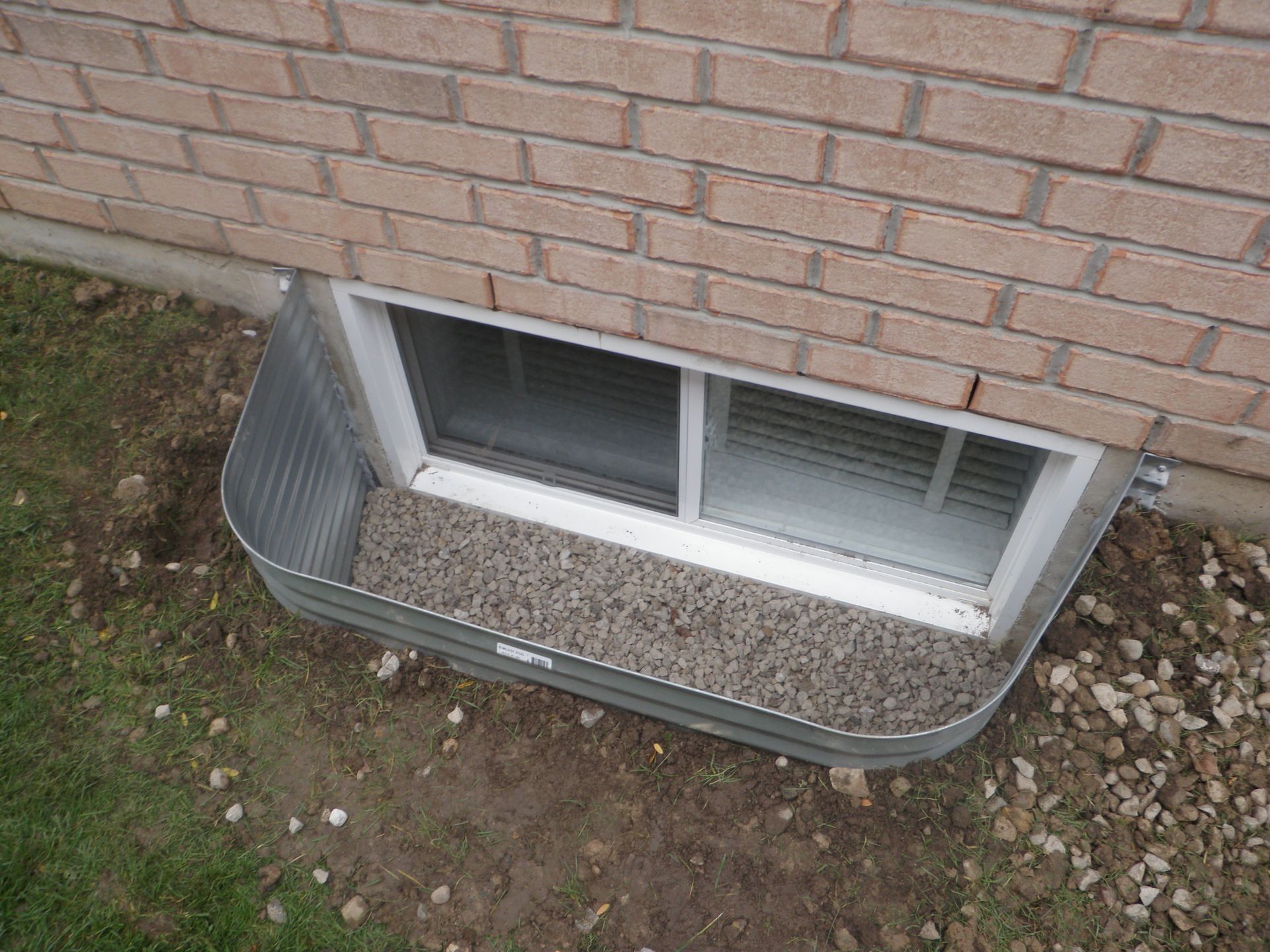
- Inspect Window Wells: See if the soil inside your window wells is sinking or constantly muddy.
Tip 5: Check for Efflorescence on Concrete
Efflorescence is a white chalky mineral deposit left behind when water evaporates from concrete surfaces. While a small amount is normal in older homes a sudden rapid buildup indicates a large volume of water moving through the wall. This happens when the exterior drainage pipe fails and leaves standing water against the block or poured concrete.
- Spot the White Powder: Look for flaky white streaks running down the lower half of your basement walls.
- Differentiate from Mold: Rub the substance between your fingers to confirm it crumbles like dry chalk rather than smearing.
- Plan for Scoping: Use weeping tile scoping to identify the exact location of the blockage causing the heavy mineral deposits.
Frequently Asked Questions
Can you clean a blocked weeping tile without digging?
Yes many blockages can be cleared using high pressure water flushing if the pipe is still structurally intact. We access the system through the sump pit or cleanout ports and blast away compacted soil and debris. This restores proper drainage flow without the need for destructive exterior excavation.
How long do weeping tile systems actually last?
Modern corrugated plastic weeping tiles can easily last thirty to fifty years under normal soil conditions. Older clay or concrete tiles found in historic properties tend to deteriorate or crush after a few decades. Proper maintenance and regular video scoping significantly extend the lifespan of any drainage system.
What happens if a weeping tile is crushed?
A crushed pipe creates a hard stop for groundwater and immediately forces hydrostatic pressure up against the foundation wall. Flushing cannot fix a collapsed line because the physical structure of the pipe is compromised. In these cases localized weeping tile replacement is required to rebuild the channel and protect the basement.
Taking Action on Poor Drainage
Catching the subtle signs of blockages early gives you the best chance to resolve the issue with minimal disruption. Ignoring damp walls or an empty sump pit only allows the groundwater pressure to cause more severe structural damage over time. Protecting your home requires a proactive approach to maintaining the pipes buried around your footing. Contact our team to book a professional video inspection and see exactly what is happening inside your drainage system.