A Closer Look at Bowed Wall Repair Techniques
Bowed walls, a common issue in basements and crawl spaces, can pose serious problems for homeowners. These curved or bulging structures are not merely a cosmetic concern but a structural issue that demands immediate attention. Today, we delve deeper into understanding bowed wall repair techniques, offering homeowners practical solutions for maintaining the structural integrity of their homes.
Understanding Bowed Walls:
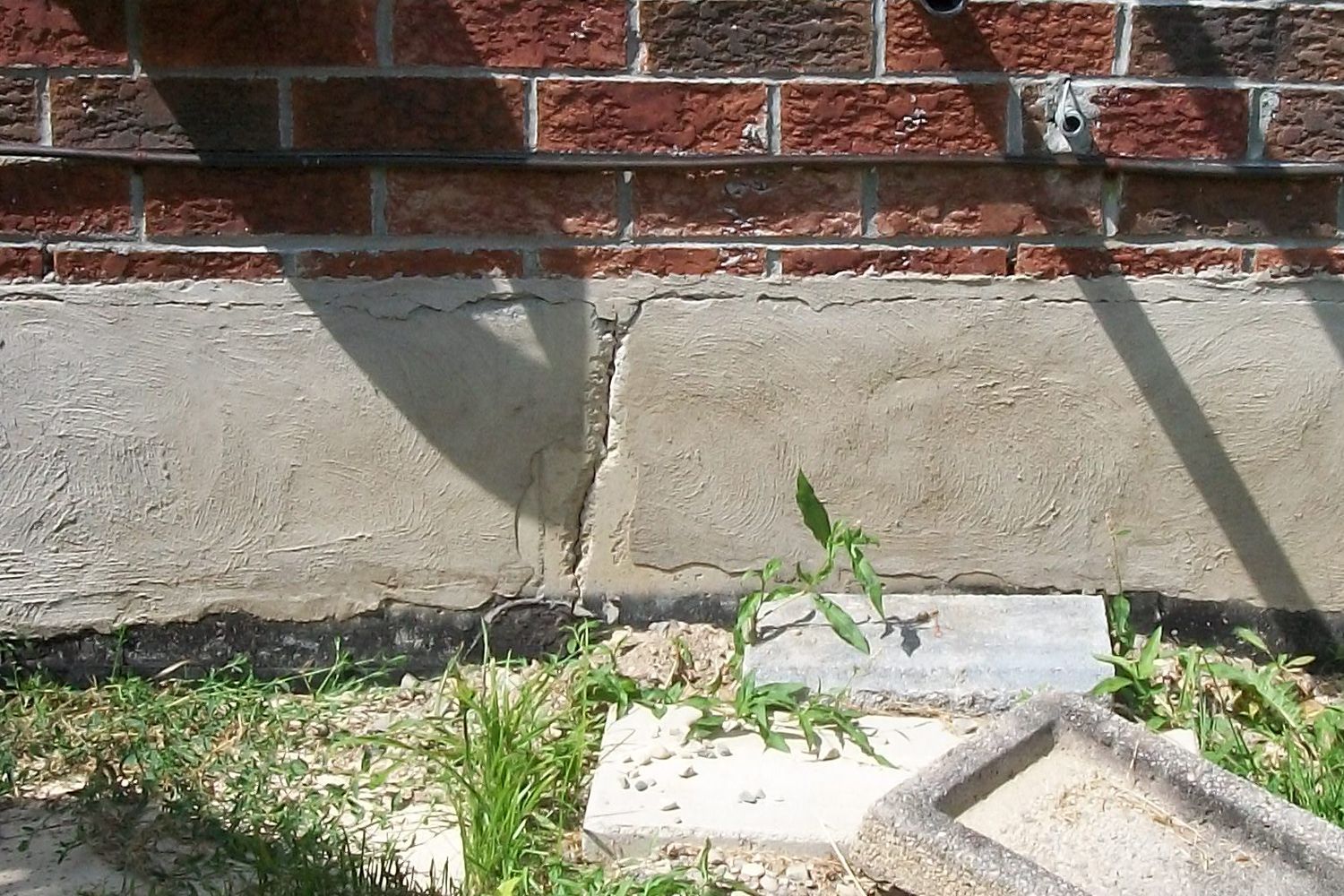
Bowed walls typically result from exterior soil pressure that exceeds the wall's ability to resist. This can occur due to expansive soils, improper drainage, or frost heaving, among other reasons. Over time, these pressures can cause the walls to bend inward, leading to severe structural damage if not addressed promptly.
The Criticality of Bowed Wall Repair:
Ignoring bowed walls can lead to disastrous consequences, including complete wall failure. This doesn't just compromise the safety of your home, but can also significantly decrease its market value. Hence, it's crucial to opt for professional bowed wall repair services at the earliest signs of bowing.
Bowed Wall Repair Techniques:
1. Wall Anchors:
Wall anchors, installed on either side of the affected wall, work like clamps to prevent further bowing. They distribute the pressure evenly across the wall, thereby reducing the likelihood of additional damage. Wall anchors are a cost-effective and minimally invasive solution for moderate bowing.
2. Carbon Fiber Strips:
In cases of less severe bowing, carbon fiber strips might be an ideal solution. These strips are bonded to the wall using high-strength epoxy, effectively reinforcing the wall and preventing further bowing. This method requires minimal disruption to the basement or crawl space and is a cost-effective technique for early-stage bowing.
3. Steel I-Beams:
Steel I-beams, inserted vertically along the bowed wall, provide robust support, effectively halting further movement. While this method may require significant modification to the home's structure, it's an incredibly sturdy solution for more serious cases of bowing.
4. Wall Straightening:
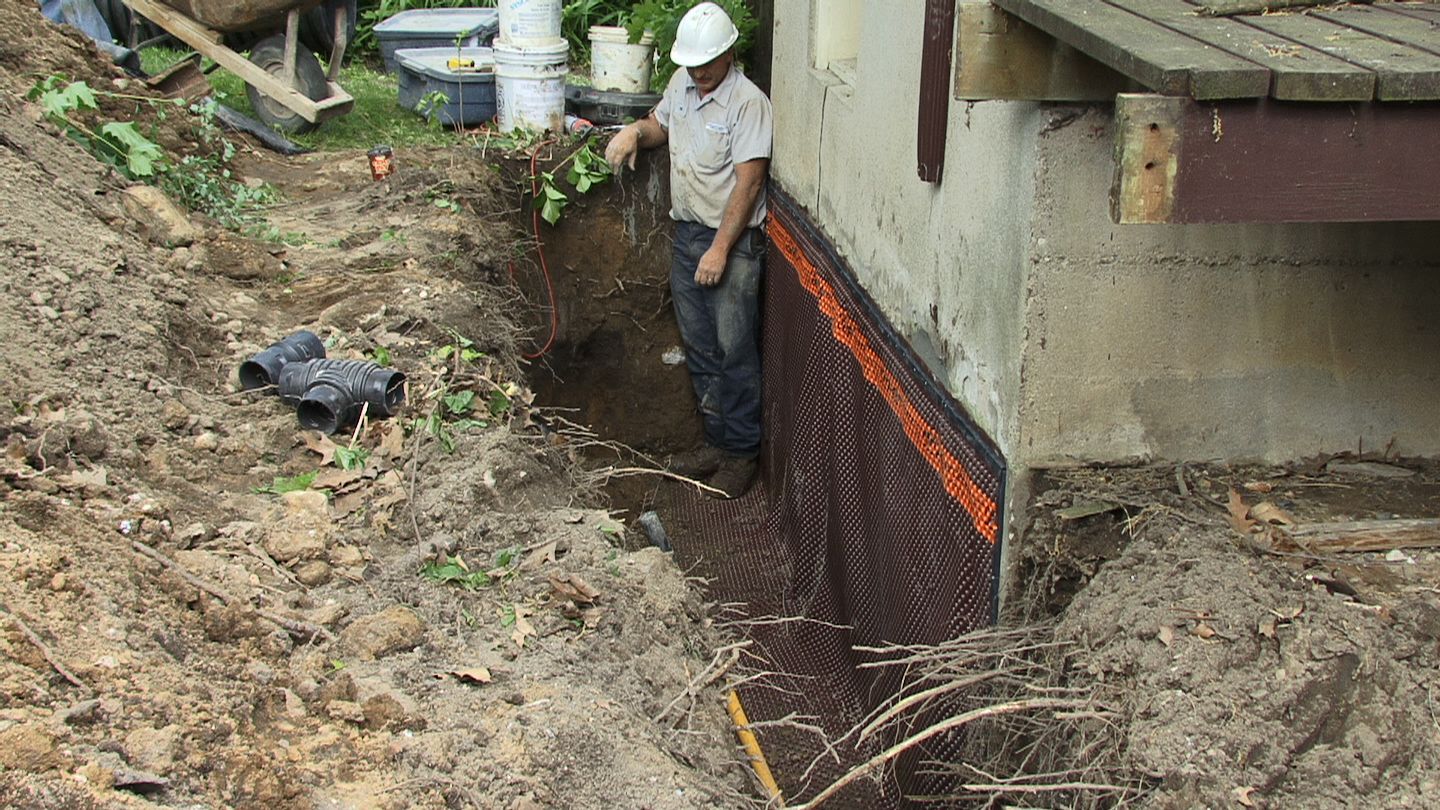
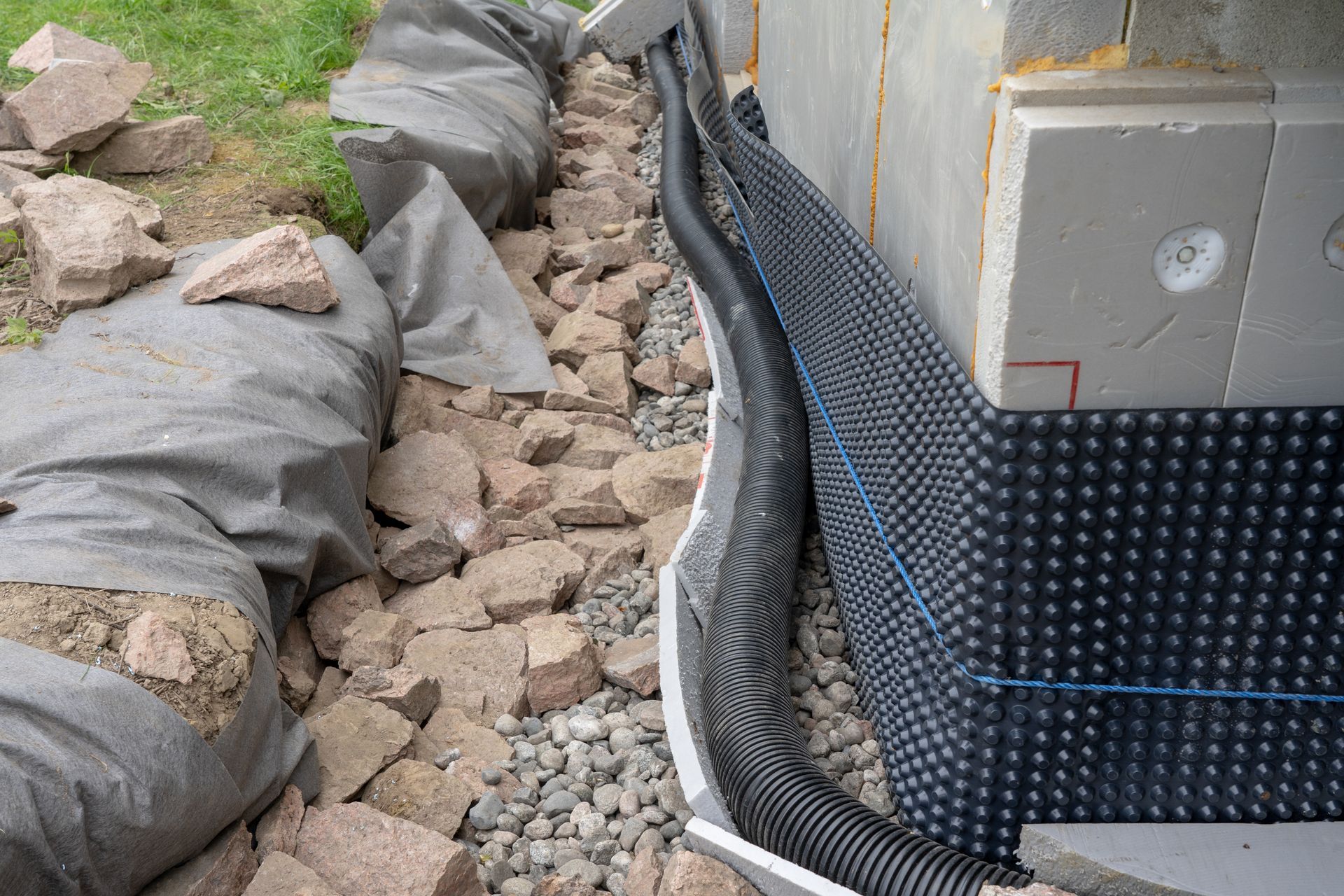
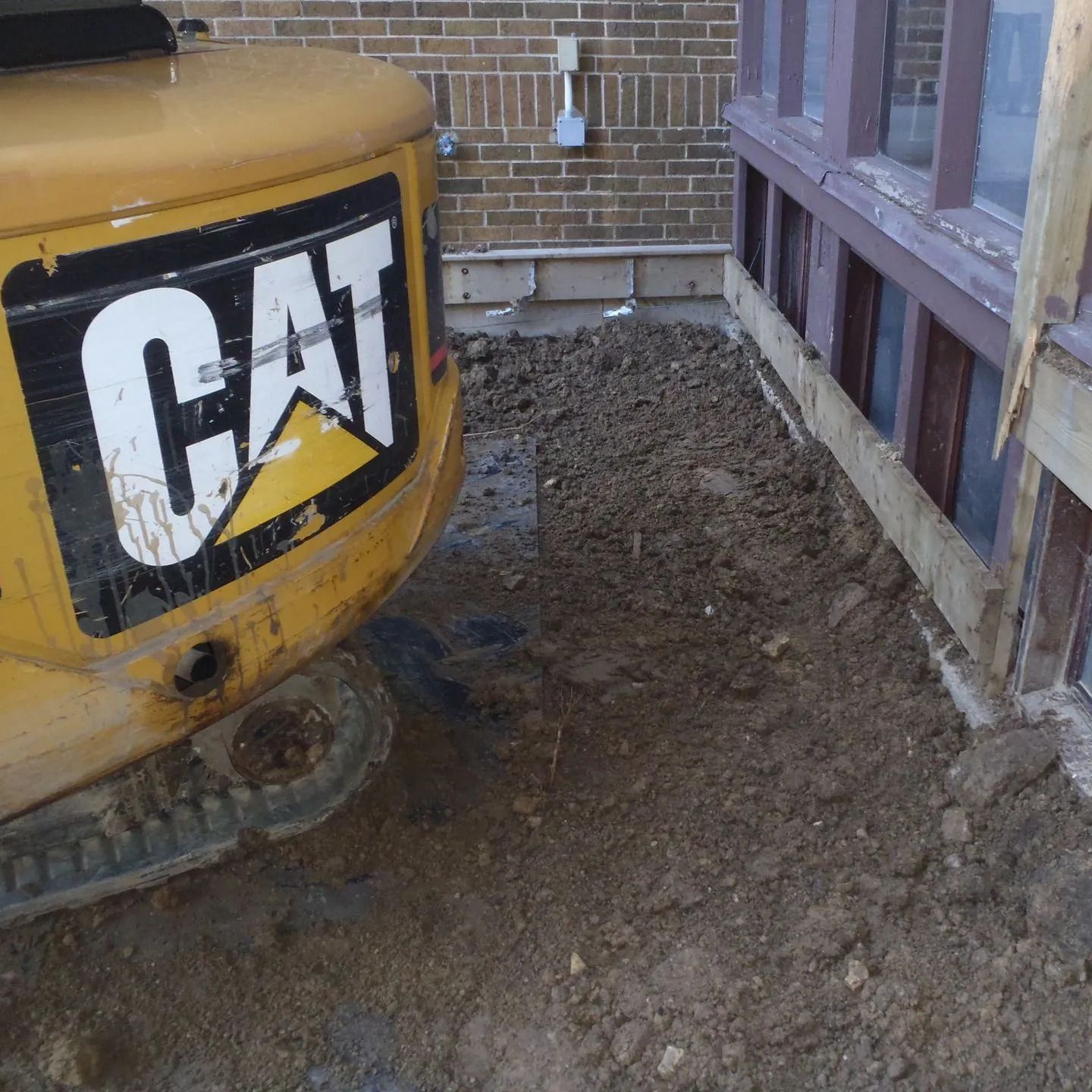
For severely bowed walls, wall straightening may be necessary. This technique involves excavating the soil around the exterior of the wall, straightening the wall, and then recompacting the soil. Although this is the most invasive and expensive method, it's often the only viable solution for extreme bowing.
Whether you're dealing with moderate or severe bowed walls, understanding the available repair techniques is essential. However, remember that professional diagnosis is key to selecting the right solution. Professional expertise ensures accurate identification of the problem and implementation of the most effective repair method.
Don’t let bowed walls jeopardize the safety and value of your home. DryBasements.com Ltd. is here to provide comprehensive bowed wall repair services that you can trust. Our team of skilled professionals understand the intricacies of different repair techniques and are dedicated to delivering top-notch service.
If you are in London, St. Thomas, Stratford, Woodstock, Brantford, Kitchener, Waterloo, or Cambridge, reach out to us at DryBasements.com Ltd. We offer unparalleled service, ensuring your satisfaction and the long-term stability of your home. Secure your home's future with us. Contact us today and keep your basement dry, safe, and sound!