The Practical Upkeep Guide for Basement Floor Drainage Systems
Investing in basement floor drainage systems is a smart move that keeps your property dry and protects your valuable stored items. At DryBasements.com Ltd. we want our clients to get the maximum lifespan out of their internal drainage investments. Setting up grated trenches and floor drains correctly is only the first step in the process. Keeping those channels clear requires a bit of practical upkeep to prevent standing water from returning to your concrete floors. Property owners often forget that these systems handle constant moisture even when the floor looks dry on the surface.
Taking care of your drainage network does not have to become a complicated chore. A few simple routines ensure that water is always directed efficiently toward your sump pump instead of pooling in low spots. Homeowners in Kitchener ON who stay on top of these basic property checks rarely face unexpected blockages. Following a reliable maintenance plan keeps your equipment functioning exactly as intended year after year. Knowing what to look for and what to avoid is the key to protecting your foundation.
In This Guide:
- Immediate Aftercare for New Floor Drains
- Ongoing Maintenance Habits for Dry Floors
- The Most Common Maintenance Mistakes
- Signs You Need Professional Drainage Support
Immediate Aftercare for New Floor Drains
Your new drainage setup needs a brief settling period once the installation crew finishes the concrete work. Protecting the fresh channels ensures dust and debris do not enter the system before it is fully ready to handle water.
- Concrete Curing: Keep foot traffic off the newly poured concrete edges around the floor grates for the first forty eight hours.
- Dust Control: Sweep up any residual construction dust on the floor rather than washing it down the new drains.
- Initial Inspection: Pour a single bucket of clear water into the furthest drain to verify it flows cleanly into the sump pit.
Ongoing Maintenance Habits for Dry Floors
Routine checks keep dirt and sediment from building up inside your internal drainage system.
How often should basement floor drains be cleaned out?
You should clear out your basement floor drains at least twice a year to maintain optimal water flow. Properties with heavy dust from woodworking shops or high pet dander may require quarterly checkups to keep the grates clear. Waiting until the water drains slowly means sediment has already begun to harden inside the pipes.
- Surface Clearing: Remove any boxes or storage bins sitting too close to the floor grates to ensure water has a clear path.
- Debris Removal: Lift the drain covers every few months and pull out any trapped hair dirt or pet fur using a gloved hand.
- Flush the Lines: Run warm water down the floor channels periodically to wash away minor silt buildup before it thickens.
- Odour Checking: Pour a cup of water into the floor drain trap every month to maintain the water seal and block sewer gases from entering the room.
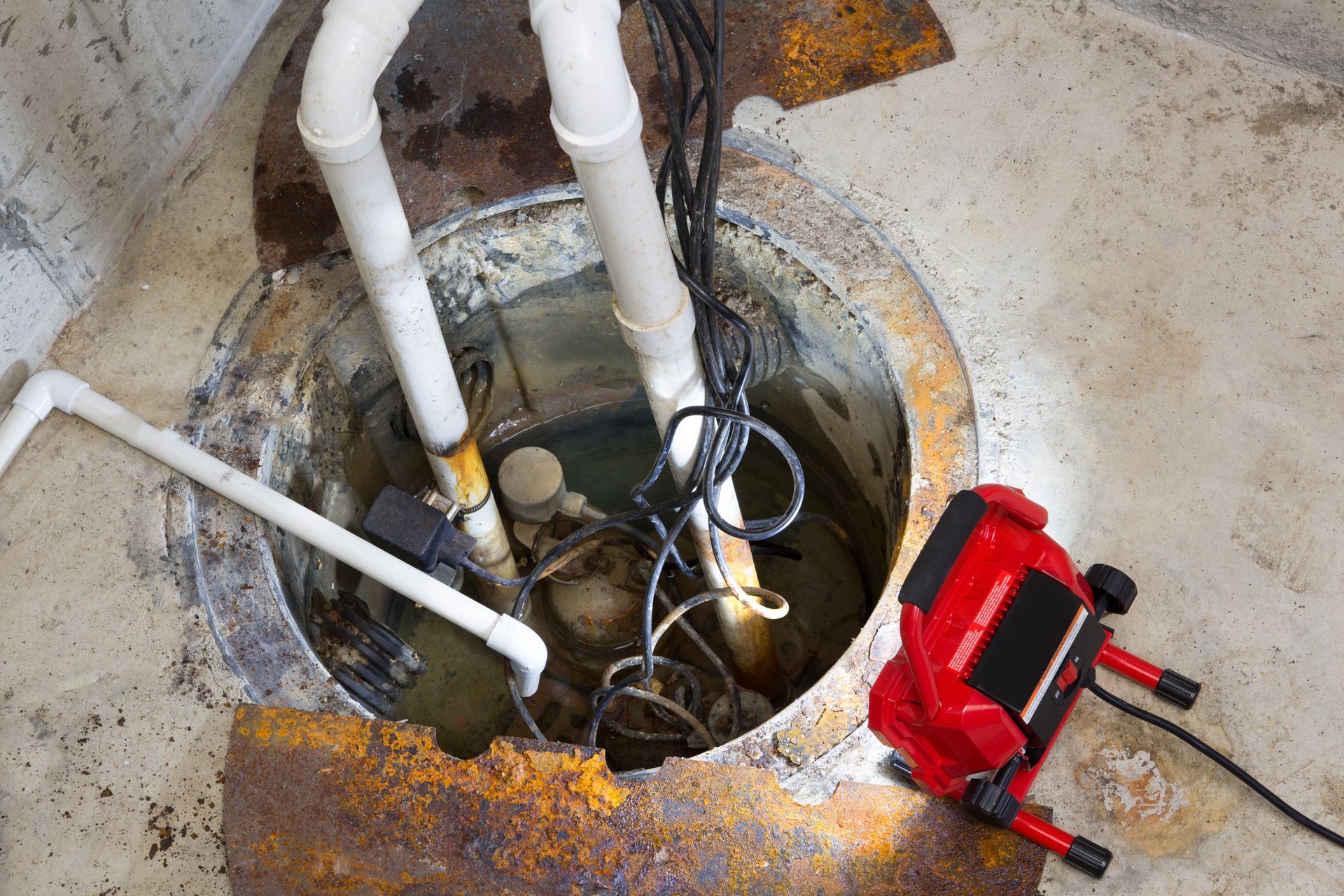
- Pump Testing: Pour enough water into the system to trigger your sump pump installation verifying the float switch activates properly.
The Most Common Maintenance Mistakes
Many property owners unintentionally damage their drainage systems by treating basement drains like standard plumbing fixtures. Avoiding these simple errors protects the physical integrity of your pipes and trenches.
- Chemical Cleaners: Pouring harsh chemical drain openers into the floor grates can degrade the plastic components of your internal drainage network.
- Ignoring Odours: Brushing off foul smells as typical basement mustiness often masks a dry trap or a developing blockage.
- Sweeping Debris: Pushing garage dirt or workshop sawdust directly into the floor trenches guarantees a severe clog down the line.
- Covering Grates: Placing rubber mats or thick rugs completely over the drain covers stops surface water from entering the system during an emergency.
► The single most important maintenance rule is to never wash solid debris down a floor drain because internal weeping systems are designed exclusively for liquid groundwater.
Signs You Need Professional Drainage Support
Even with diligent upkeep your system might eventually encounter issues that require trade expertise. Recognizing when to call for help prevents minor flow reductions from turning into flooded floors.
- Slow Draining Water: Watch for puddles that take longer than a few minutes to disappear down the grates.
- Gurgling Sounds: Listen for trapped air bubbles making noise which indicates a severe restriction deep inside the pipe network.
- Mineral Buildup: Check for heavy white efflorescence crusting over the grates which suggests hard water is pooling instead of moving.
- Constant Dampness: Notice if the concrete around the drain remains persistently wet indicating water is backing up instead of flowing away.
Protecting Your Property Investment
Staying proactive with your drainage upkeep guarantees your basement remains a dry and functional space. A few minutes of clearing grates and testing the pump saves you from the stress of unexpected water damage. Keep these habits in your regular home maintenance routine to extend the life of your system. Reach out to our team if you notice any slow drainage or unusual odours so we can clear the lines for you.