Window Wells in Spring: Cleaning, Drainage, and Leak Prevention Tips
April in Southwestern Ontario is a welcome shift—warmer days, melting snow, and those heavy spring rains that can test every part of your foundation. For many homeowners in Woodstock, London, Kitchener-Waterloo, Cambridge, Brantford, and Stratford, window wells are a common “small detail” that turns into a big wet basement problem when they’re clogged, cracked, or not draining properly.
Below are practical spring window well maintenance tips, plus warning signs that it’s time to bring in a waterproofing professional.
Why Window Wells Cause Spring Leaks In Ontario Basements
Window wells sit below grade, which means they collect what spring brings: runoff, melting snow, wind-blown debris, and saturated soil. In April, freeze-thaw cycles can also shift soil and stress joints around the foundation wall and window frame. If water pools in the well, it can seep through:
- the window frame or sill
- small foundation cracks nearby
- the window well fasteners and sealant lines
If your home has older weeping tile, poor grading, or a partially blocked drain, window wells can become the first place you notice trouble.
April Window Well Cleaning Checklist (Quick And Effective)
A thorough spring cleanup takes 20–30 minutes per window well and can prevent costly repairs later. Focus on debris removal and drainage.
Start with:
- Remove leaves, mulch, sticks, and winter grit from the bottom of the well
- Check for rusted, bent, or loose window well walls (metal or plastic)
- Clean the window and inspect the perimeter caulking for gaps
- Confirm the window well cover (if you have one) isn’t trapping water or pressing against the frame
Local tip for Woodstock and area: If you had late-winter snow piles near your foundation, pay extra attention in April. Snowmelt often carries sand and fine debris that settles at the bottom and blocks drainage.
Drainage Matters: How To Tell If Your Window Well Is Actually Draining
A window well should never hold standing water for long. If it does, the drain may be clogged, disconnected, or overwhelmed by saturated soil.
A simple test:
Pour a bucket of water into the well. If it drains quickly, that’s a good sign. If water rises and lingers, you may have a drain or weeping tile issue.
Common causes we see across London, St. Thomas, Ingersoll, and Tillsonburg include:
- Clogged window well drain (mud, roots, or debris)
- Improper connection to the weeping tile
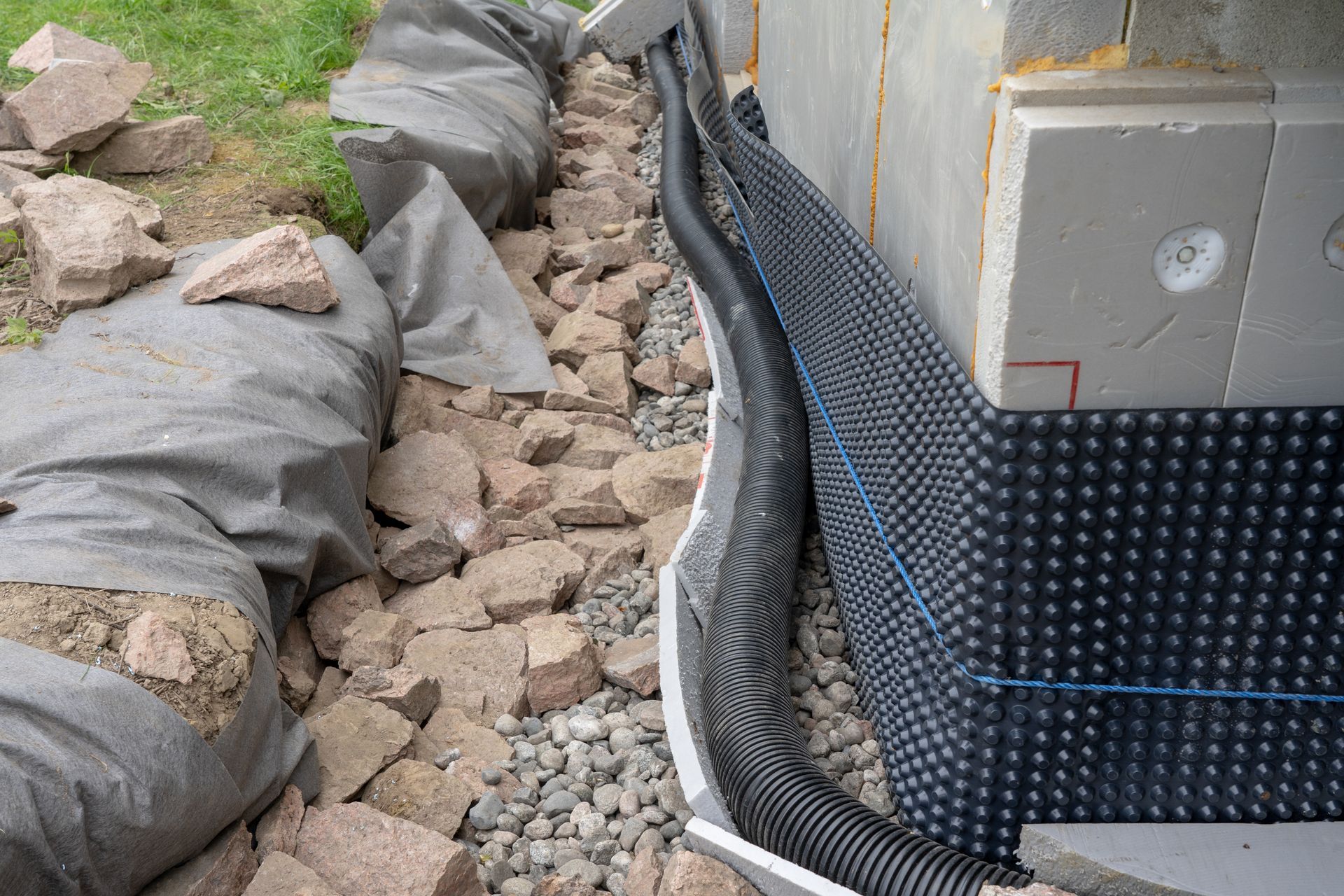
- Weeping tile blockage needing flushing or inspection
- Soil settling that directs more water into the well
At DryBasements.com Ltd, we often use weeper flushing and video scoping (especially during spring) to confirm whether the drainage path is clear and functioning as intended.
People Also Ask: Should There Be Water In My Window Well?
Homeowners often ask this in early spring, and the best answer is: briefly, maybe—but it should not stay there.
A small amount of water during a downpour can happen. However, if water remains for more than a few hours after the rain stops, or you see repeated pooling, it’s a red flag. Persistent water increases the risk of:
- basement window leaks
- foundation seepage
- mold and indoor air quality issues from elevated humidity
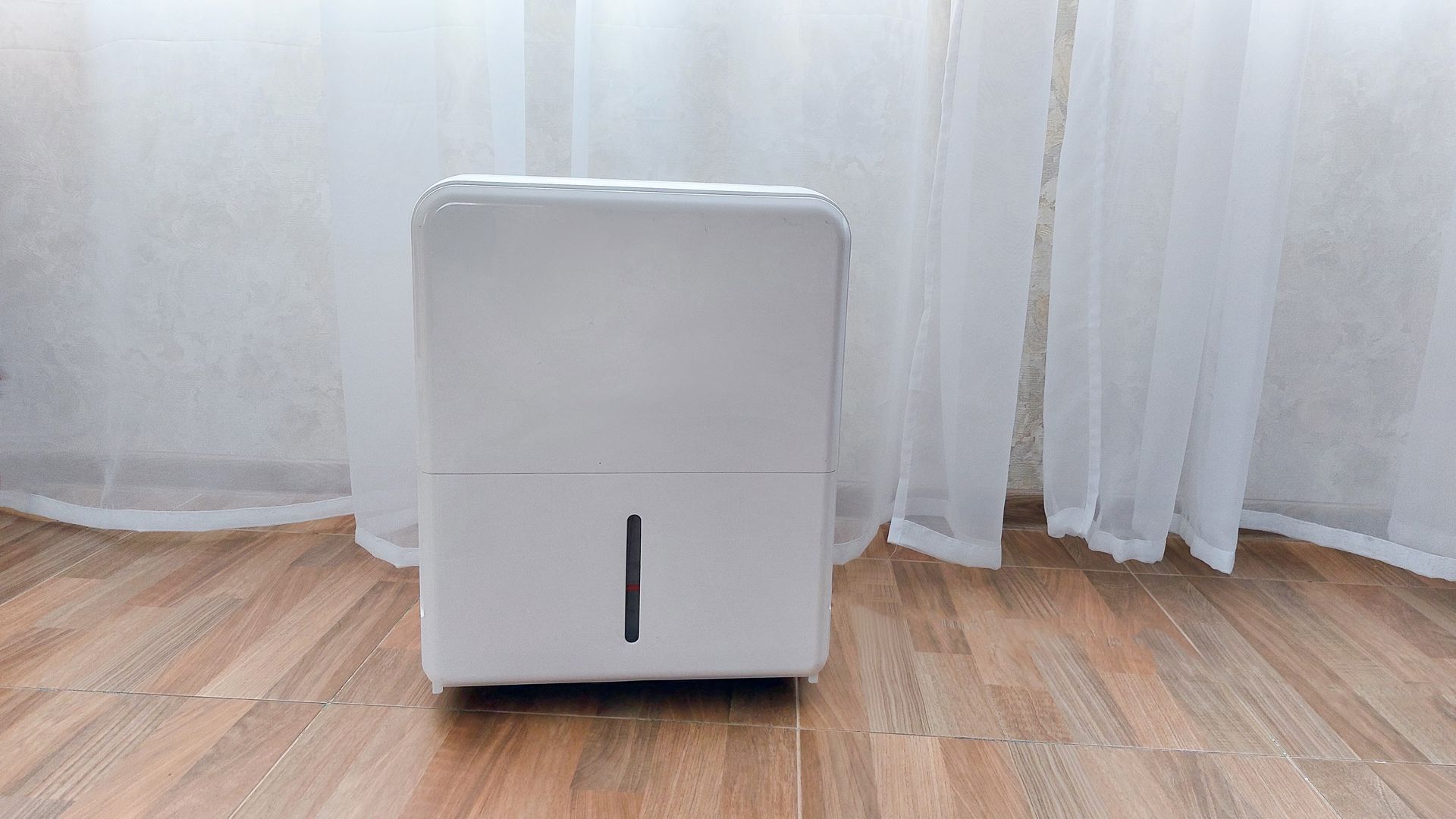
If you’re noticing damp smells or fogging windows downstairs, pairing drainage fixes with basement dehumidification can make a noticeable difference.
Leak Prevention Tips That Actually Work In Spring
Cleaning is step one, but prevention is what keeps April showers from becoming a wet basement cleanup.
Focus on:
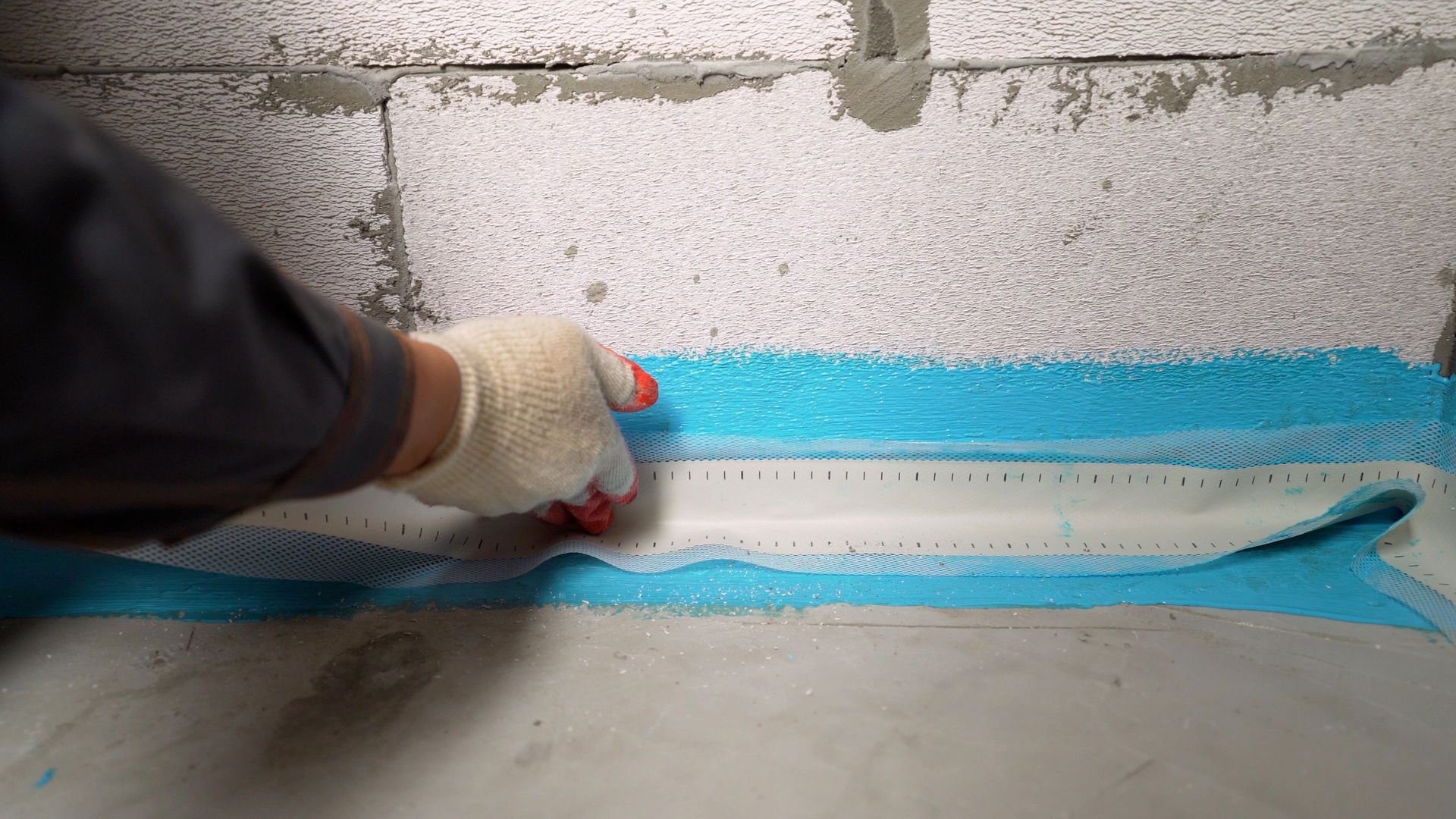
- Re-seal gaps: Replace cracked caulking around the window frame and any penetrations into the foundation wall.
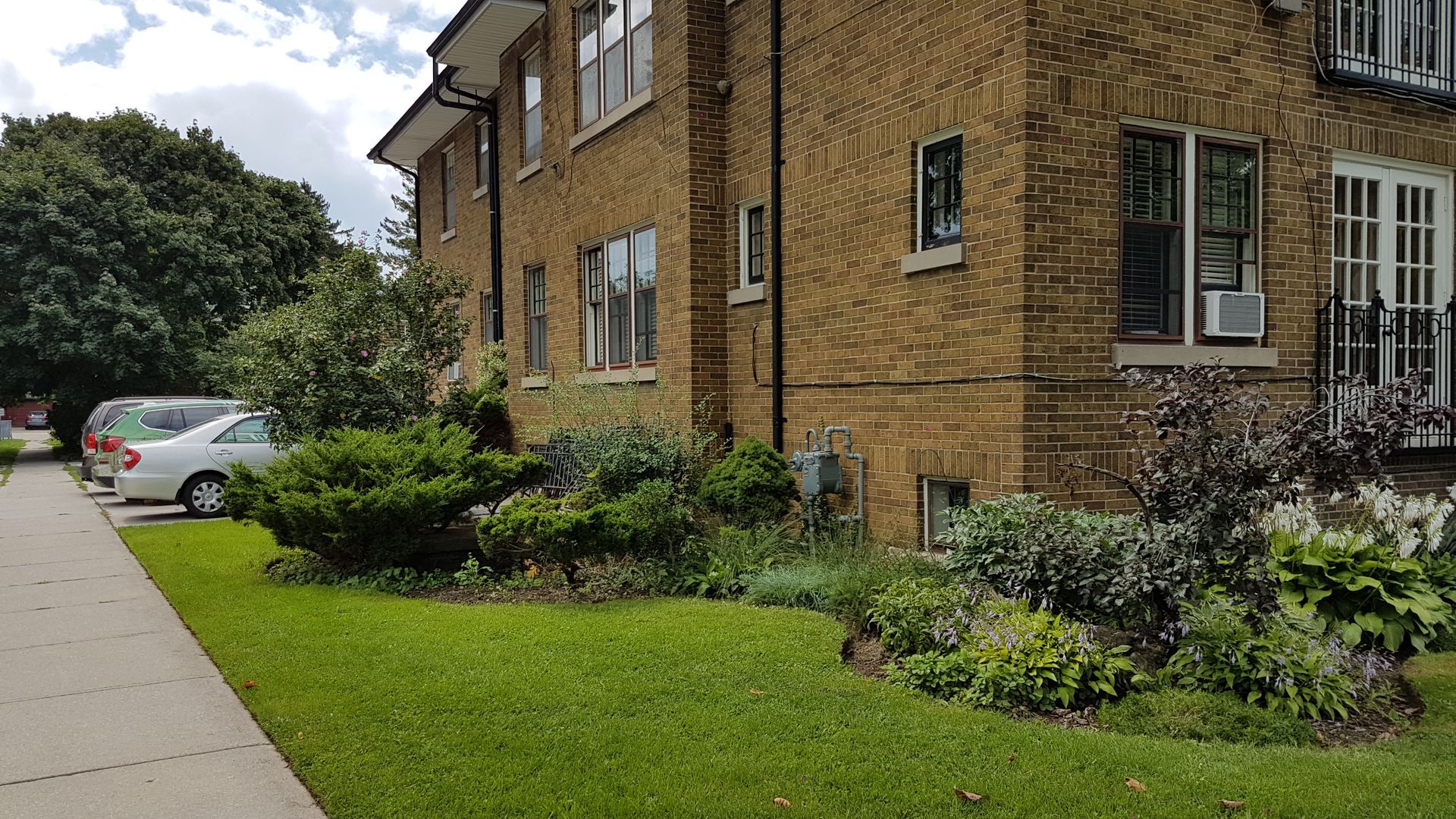
- Check grading: Soil should slope away from the home so runoff doesn’t funnel into the window well.
- Use the right cover: A properly fitted cover helps keep debris out while still allowing ventilation and proper runoff flow.
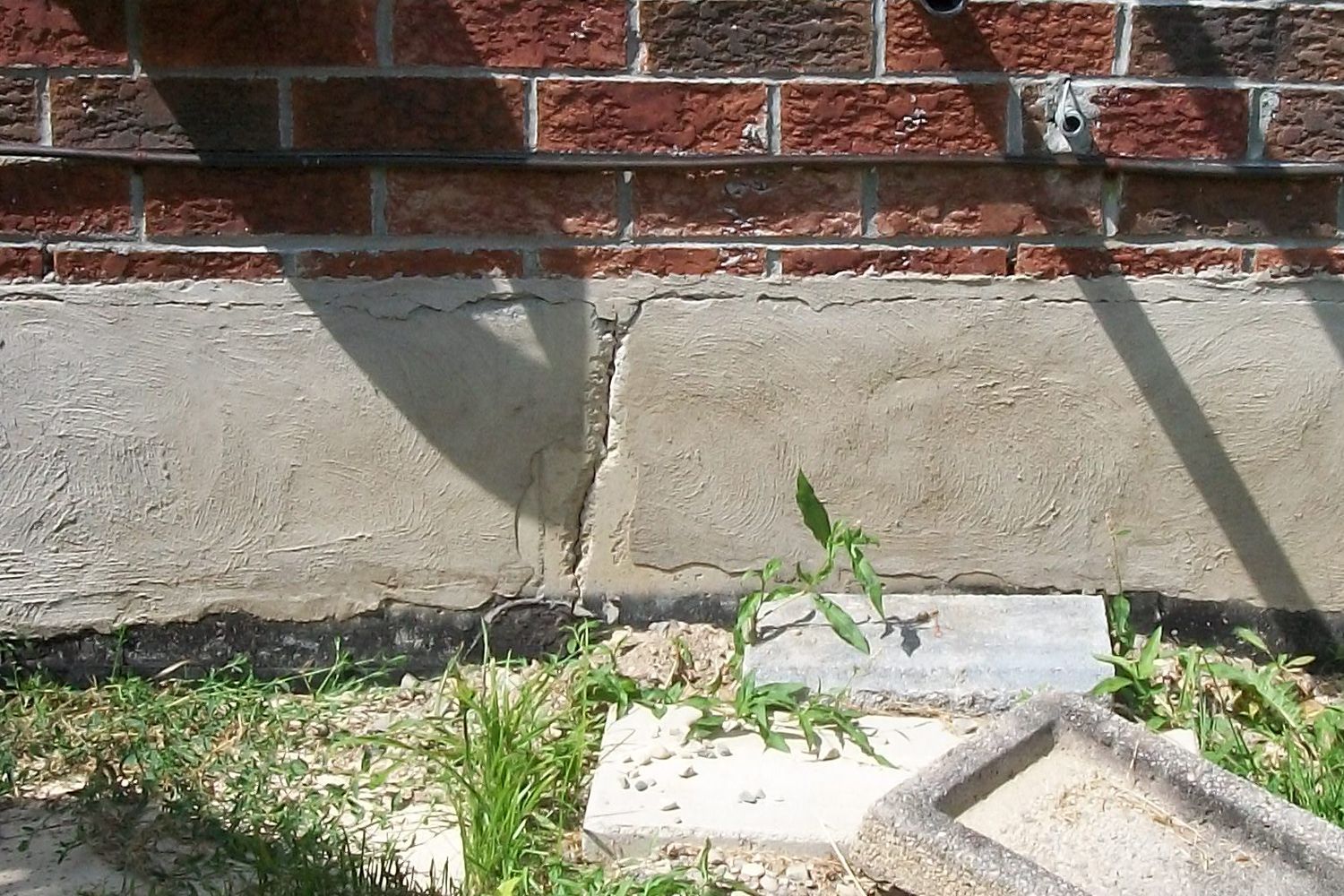
- Watch for foundation cracks: Hairline cracks near window openings can widen during freeze-thaw and allow seepage.
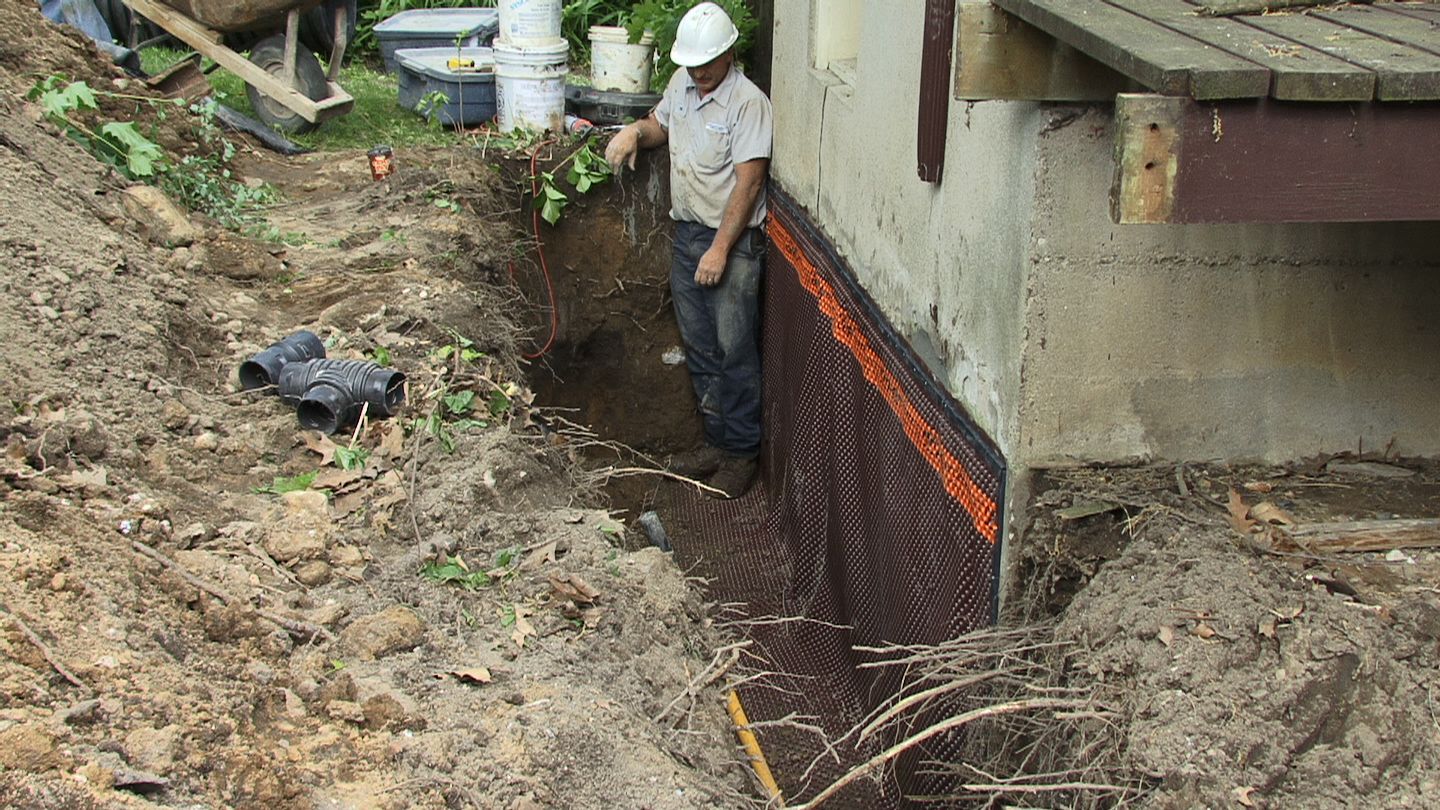
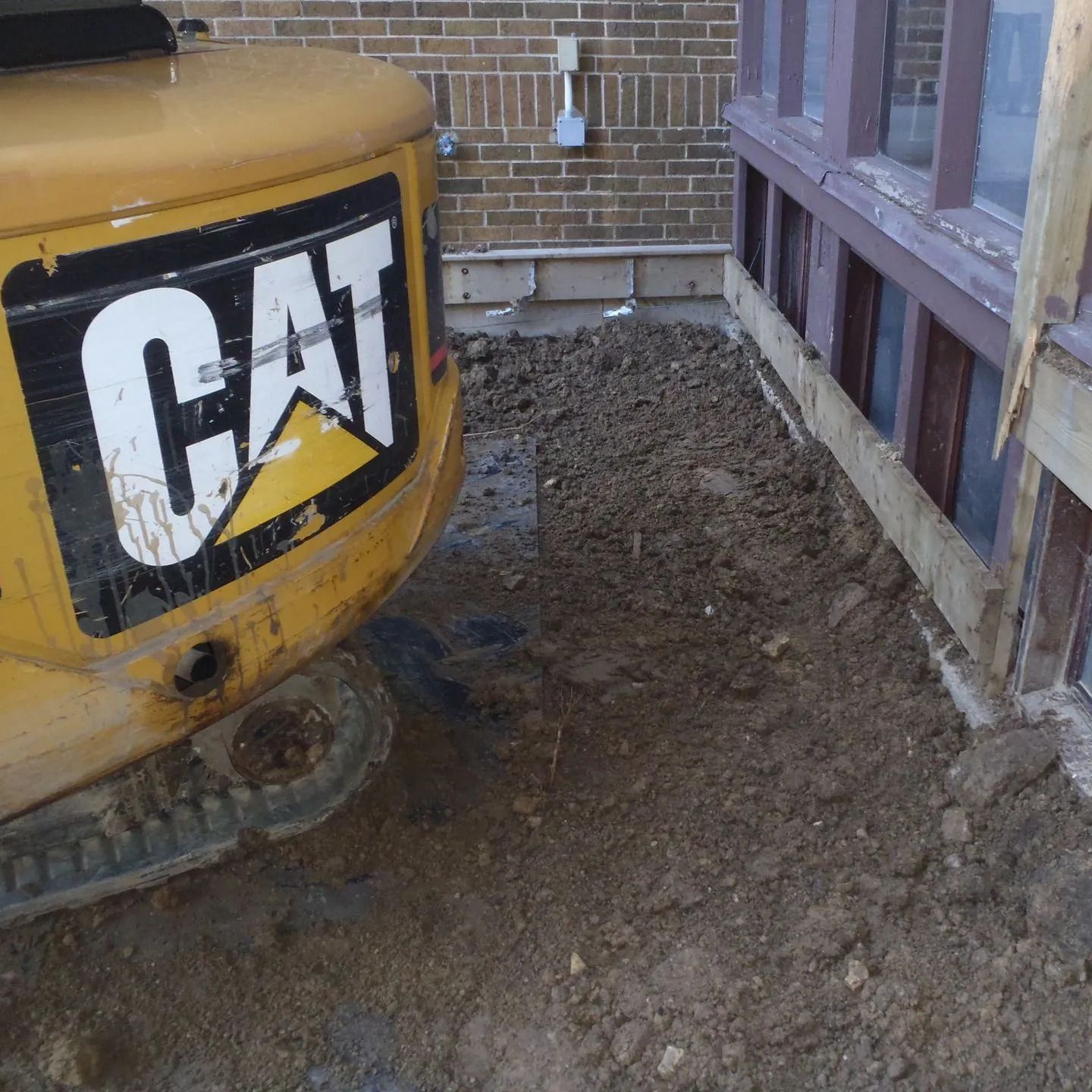
If you’ve had recurring leaks, an exterior crack repair may be the permanent solution. This can involve excavation to expose the crack, inspecting the weeping tile, and completing a long-term repair backed by a written lifetime warranty.
When A “Simple” Window Well Problem Points To A Bigger Issue
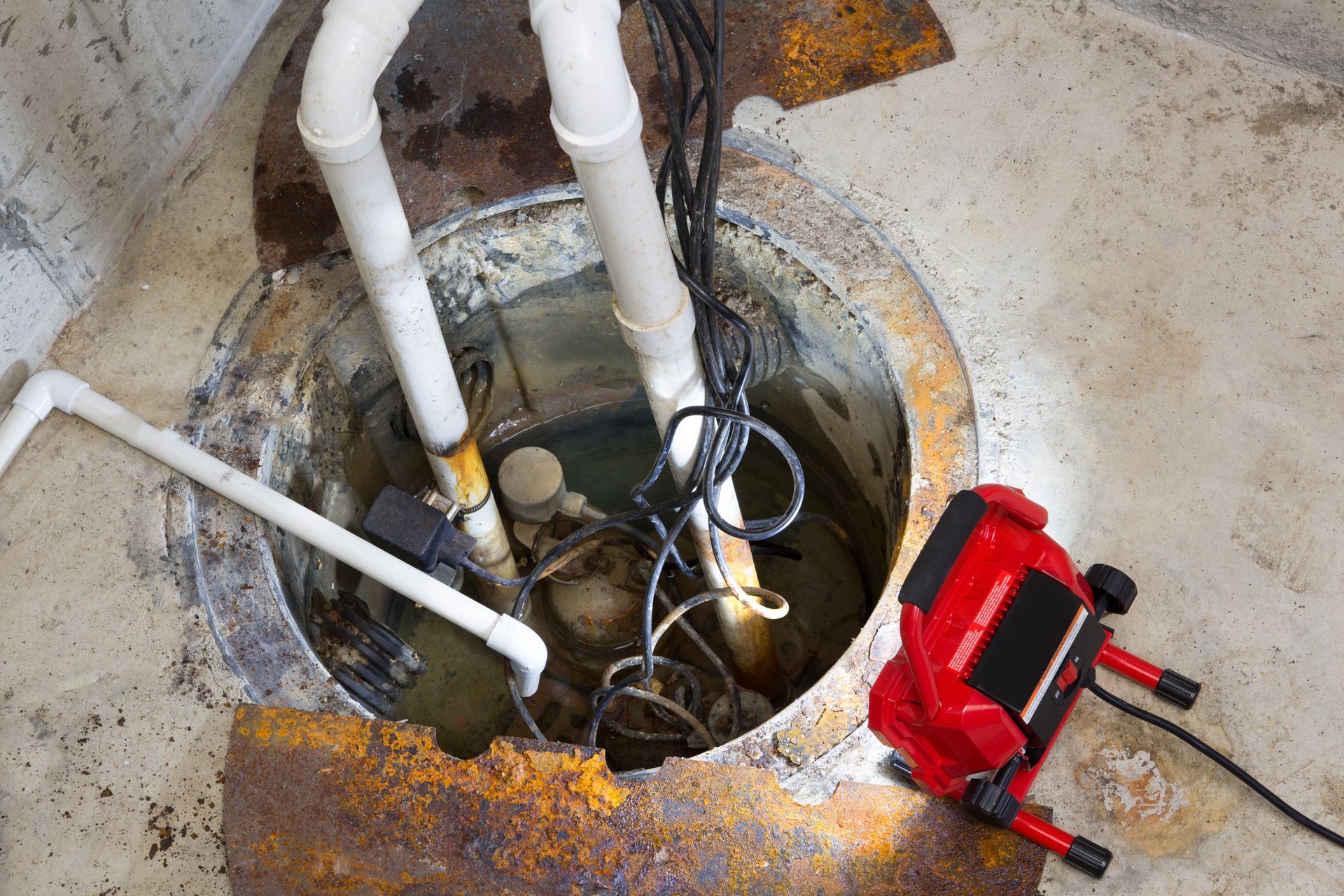
If you’ve cleaned the well and it still fills, or you see water marks on basement walls, the issue may be beyond the window well itself. You may need an internal drainage system, sump pump support, or exterior excavation and waterproofing—especially in areas with heavy spring saturation like Waterloo Region and parts of Brantford.
Book A Spring Inspection With DryBasements.com Ltd
If you’re in Woodstock, London, Kitchener, Waterloo, Cambridge, Brantford, Stratford, or nearby communities and you’re seeing water in your window wells or signs of basement leaks, now is the time to act—before spring rainstorms intensify.
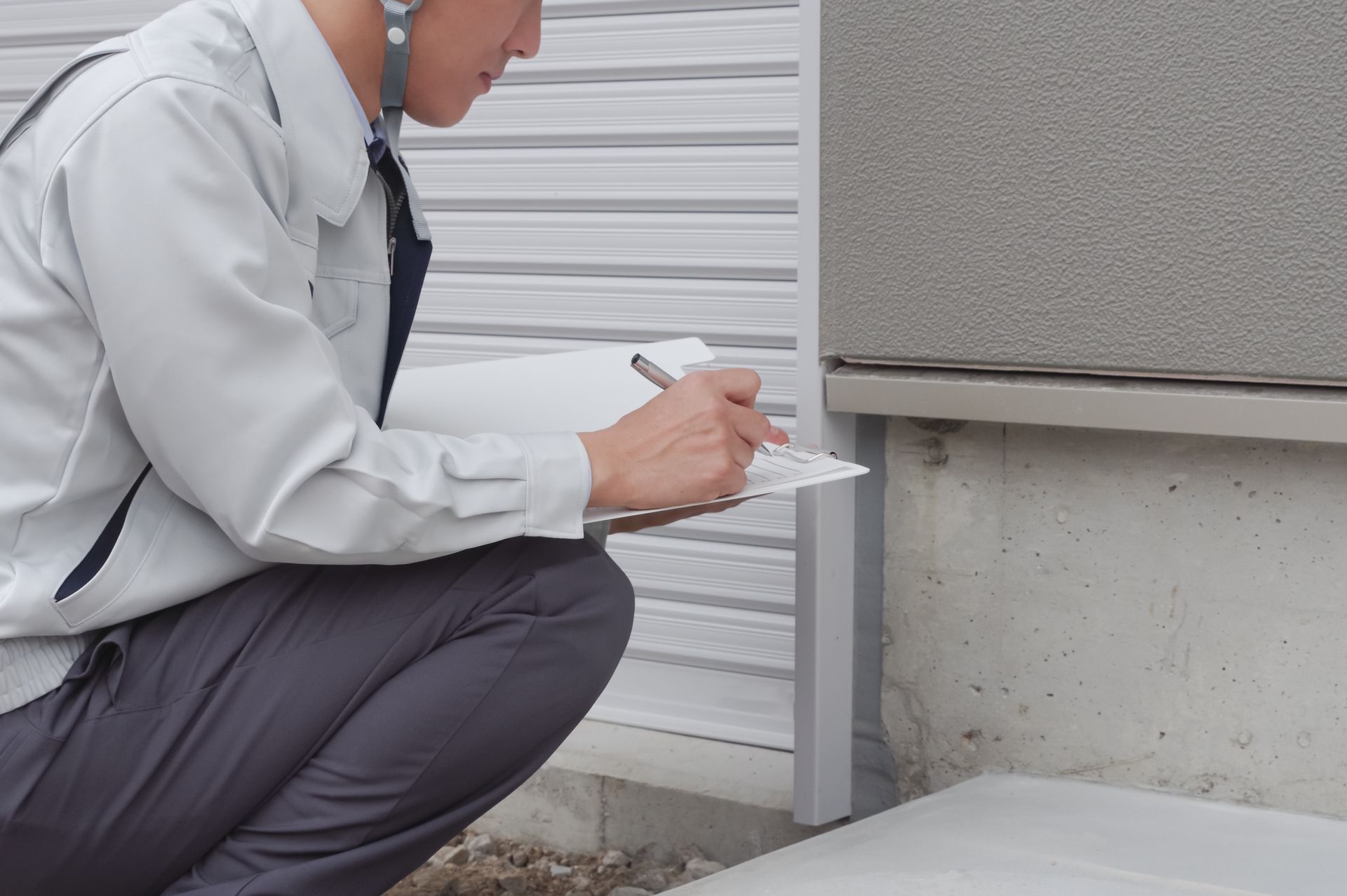
Contact DryBasements.com Ltd to schedule an assessment. We’ll help you pinpoint whether you need a drainage fix, weeping tile inspection, exterior crack repair, or a longer-term waterproofing plan to keep your basement dry this season.