Protect Your Home: Basement Leak Warning Signs Before Spring Thaw
Late winter is the time to pay attention to what freezing and thawing cycles are doing to your foundation. In Southwestern Ontario, temperature swings in Woodstock, London, Kitchener, Waterloo, Cambridge, and Brantford often lead to early snowmelt and rain pushing water toward weak points in basements.
Spotting basement leak warning signs early helps you avoid water damage when the spring thaw peaks. Here is what to watch for and what to do next.
Why Spring Thaw Exposes Hidden Basement Problems
As snow melts, the soil around your home becomes saturated. When the ground remains partially frozen, water cannot drain away easily. Pressure builds against foundation walls and beneath basement floors. This pressure forces moisture through small cracks, joints, and other weak areas.
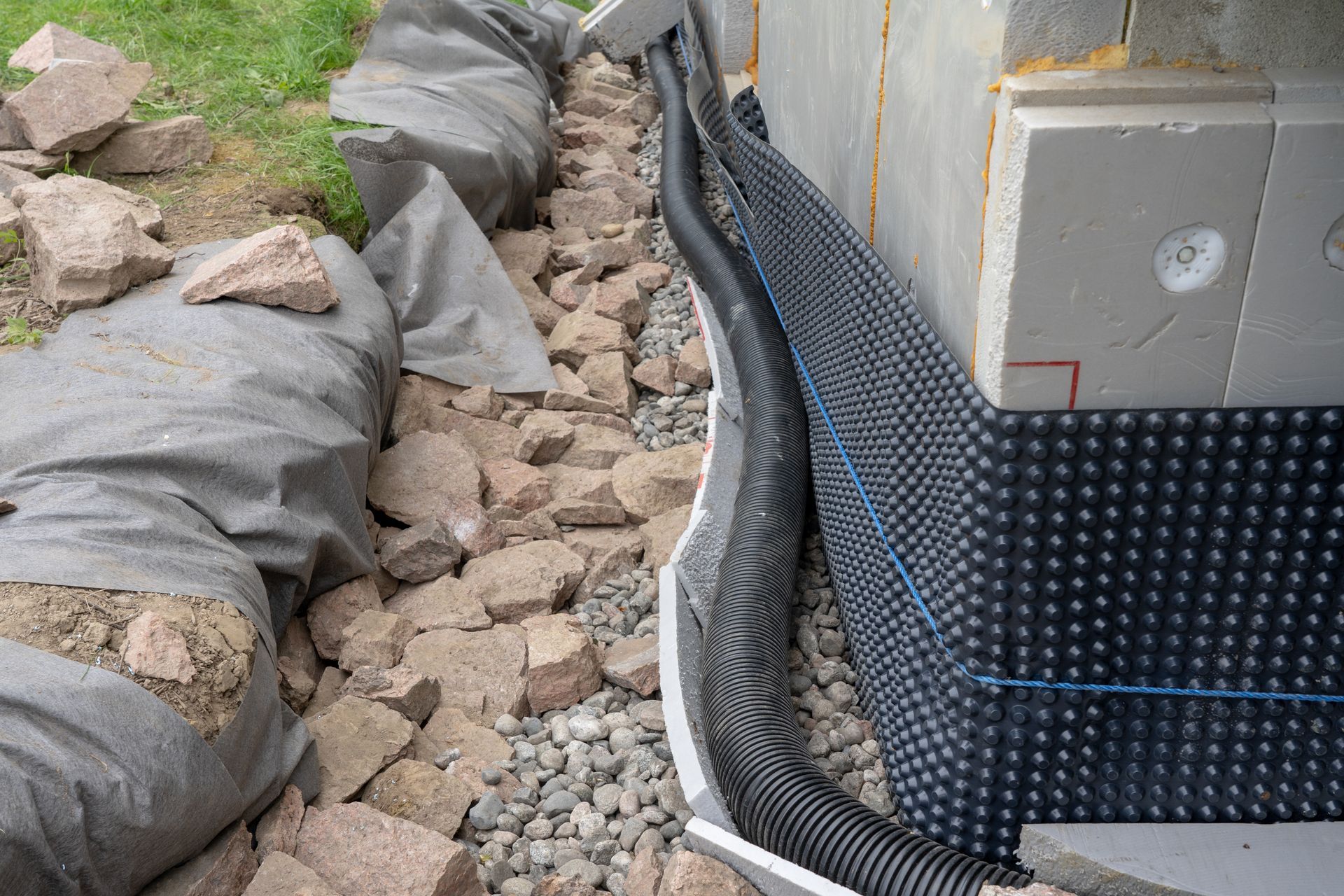
Older homes across Oxford, Middlesex, Waterloo, and Brant counties are especially vulnerable. If weeping tile, sump pumps, or grading cannot manage the water load, minor issues become visible leaks.
Basement Leak Warning Signs To Watch For
Basement leaks rarely begin with pooled water. Early signs tend to appear gradually.
• Damp or dark patches on basement walls, often near the floor joint
• Musty odours after mild weather or rainfall
• White chalky residue on concrete, known as efflorescence
• Peeling paint or bubbling wall finishes
• Rust on metal posts, shelving, or appliance bases
• Wet carpet edges or tack strips along exterior walls
If you notice these signs in Woodstock or nearby areas such as Ingersoll, Tillsonburg, St. Thomas, Stratford, or New Hamburg, early inspection helps reduce repair scope and cost.
People Also Ask: Why Does My Basement Leak When Snow Melts?
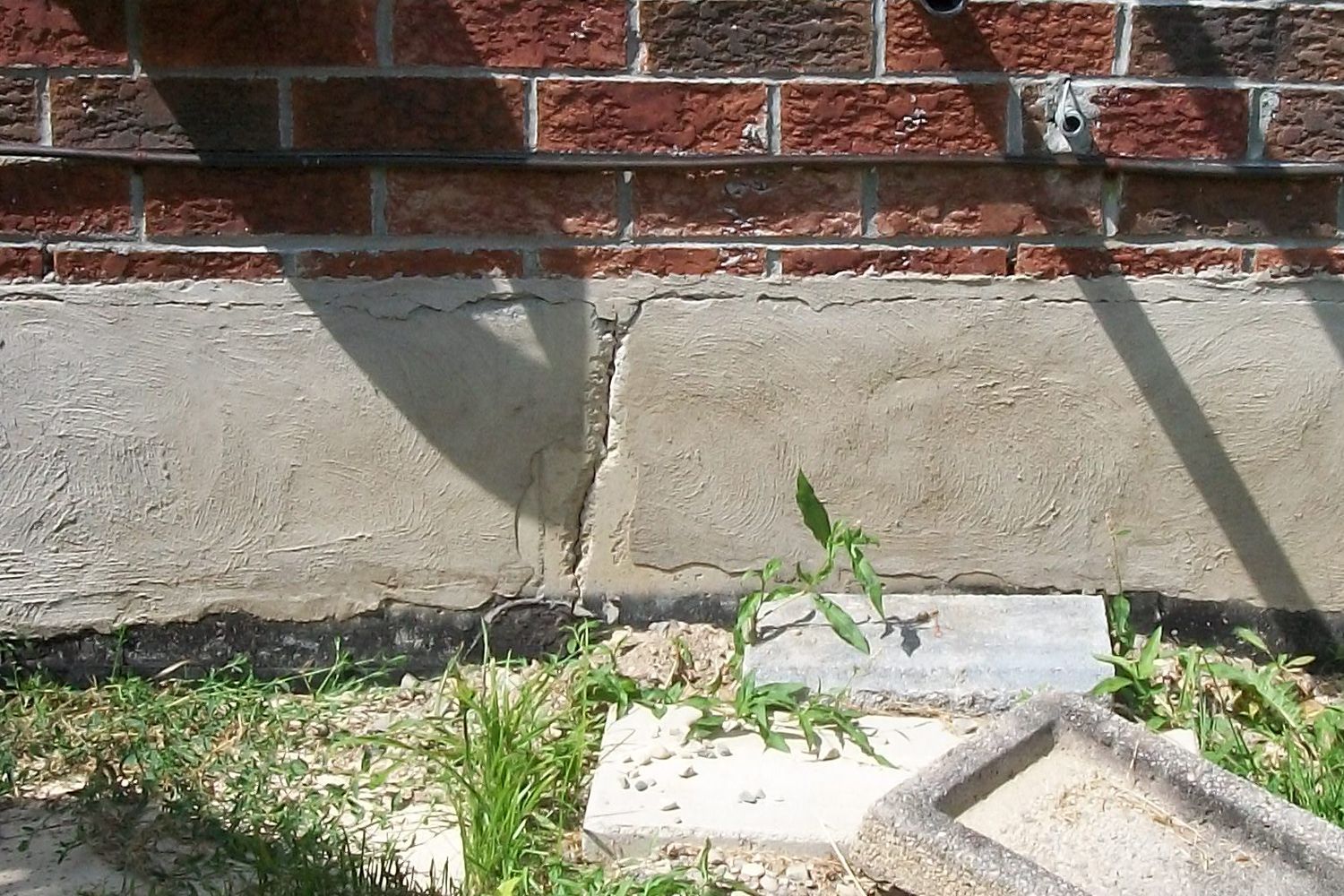
Snowmelt releases a large volume of water in a short period. Saturated soil pushes moisture toward the foundation. Water enters through cracks in poured concrete, gaps around utility penetrations, blocked weeping tile, or failing sump pumps.
Snowmelt behaves differently than summer rain. Frozen ground and compacted snow can direct water straight toward the foundation instead of allowing it to disperse.
Quick DIY Checks Before Thaw Conditions Worsen
You can identify risk factors with a few simple checks.
• Check downspouts. Discharge should extend several feet away from the foundation
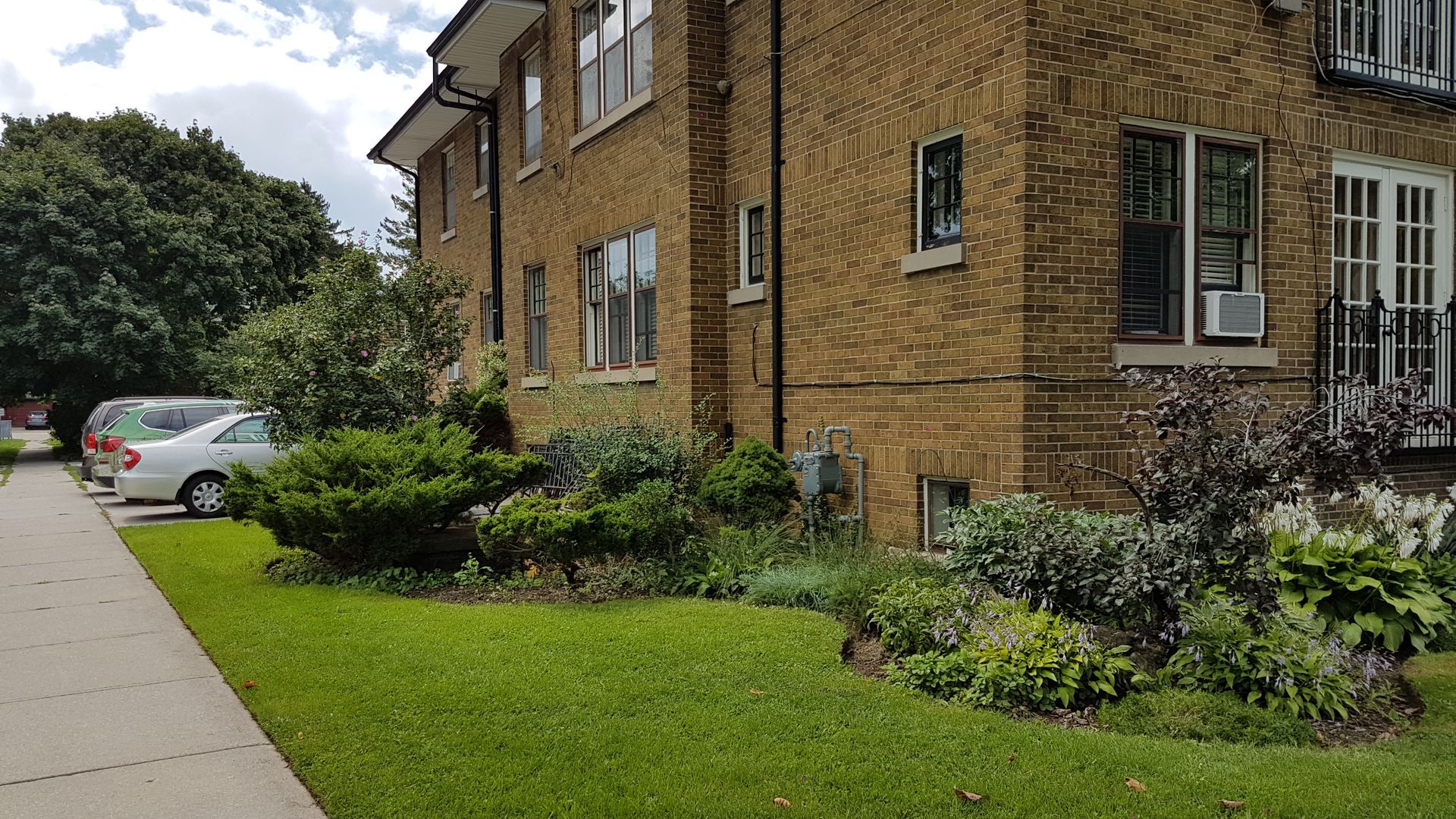
• Review grading. Soil should slope away from the home
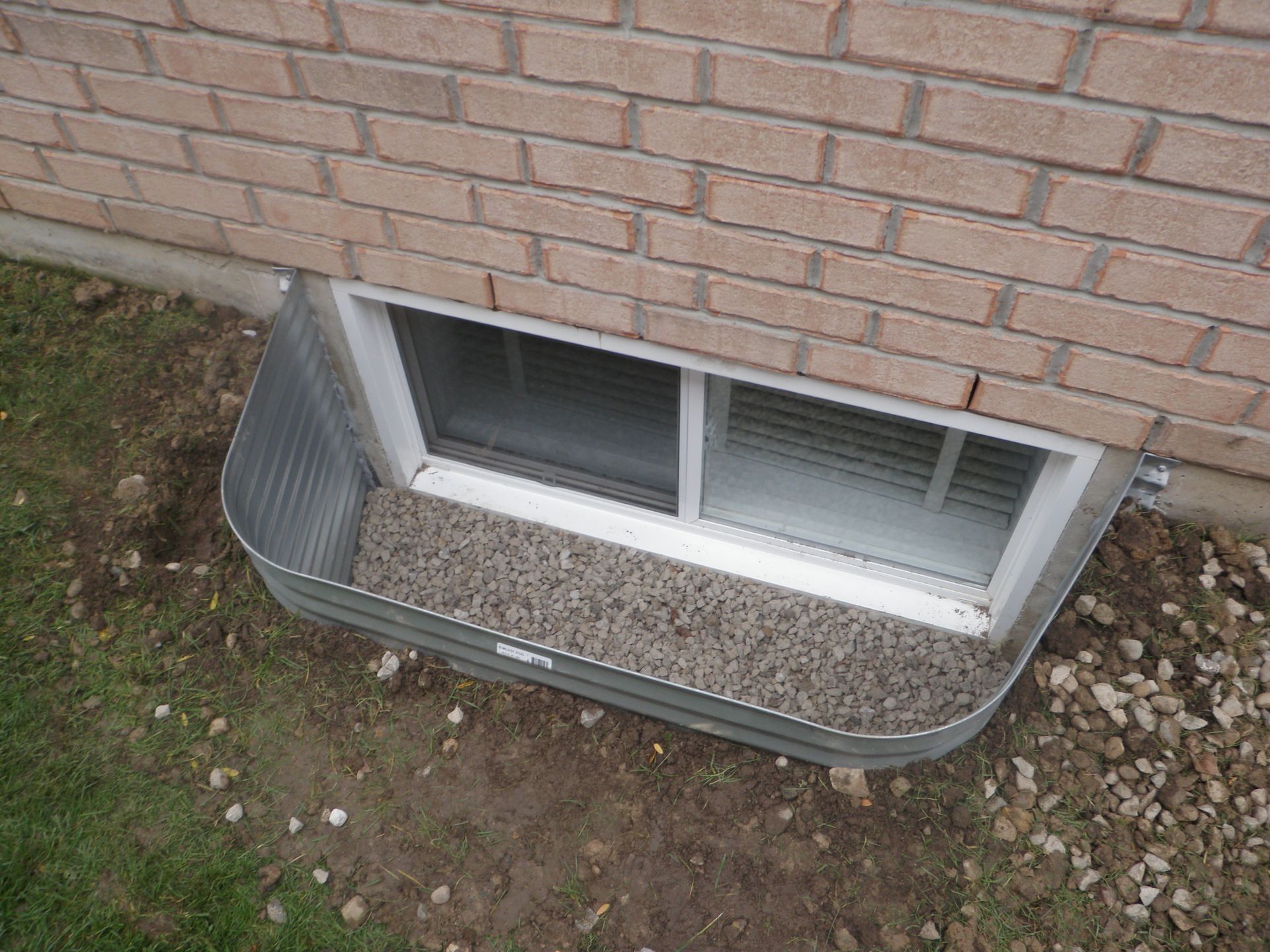
• Inspect window wells. Remove debris and confirm drains remain clear
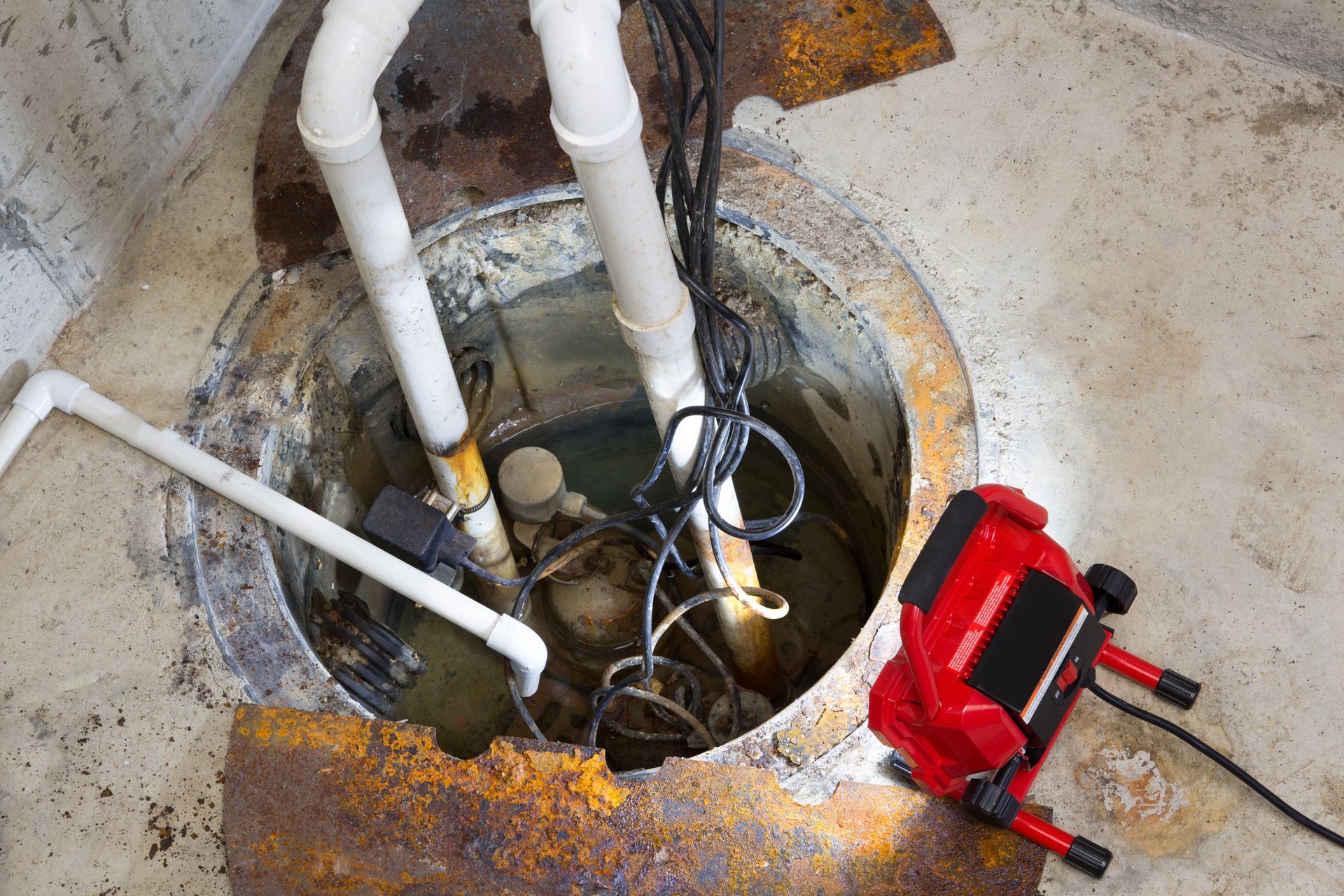
• Test the sump pump. Lift the float or add water to confirm activation
If any item fails, your waterproofing system may struggle during peak thaw.
When To Call A Local Basement Waterproofing Professional
Recurring seepage, visible foundation cracks, or seasonal dampness usually require permanent repair rather than repeated cleanup. DryBasements.com Ltd supports homeowners across Woodstock, London, Kitchener, Cambridge, Waterloo, Brantford, and surrounding communities with solutions based on the source of the leak.
Services include
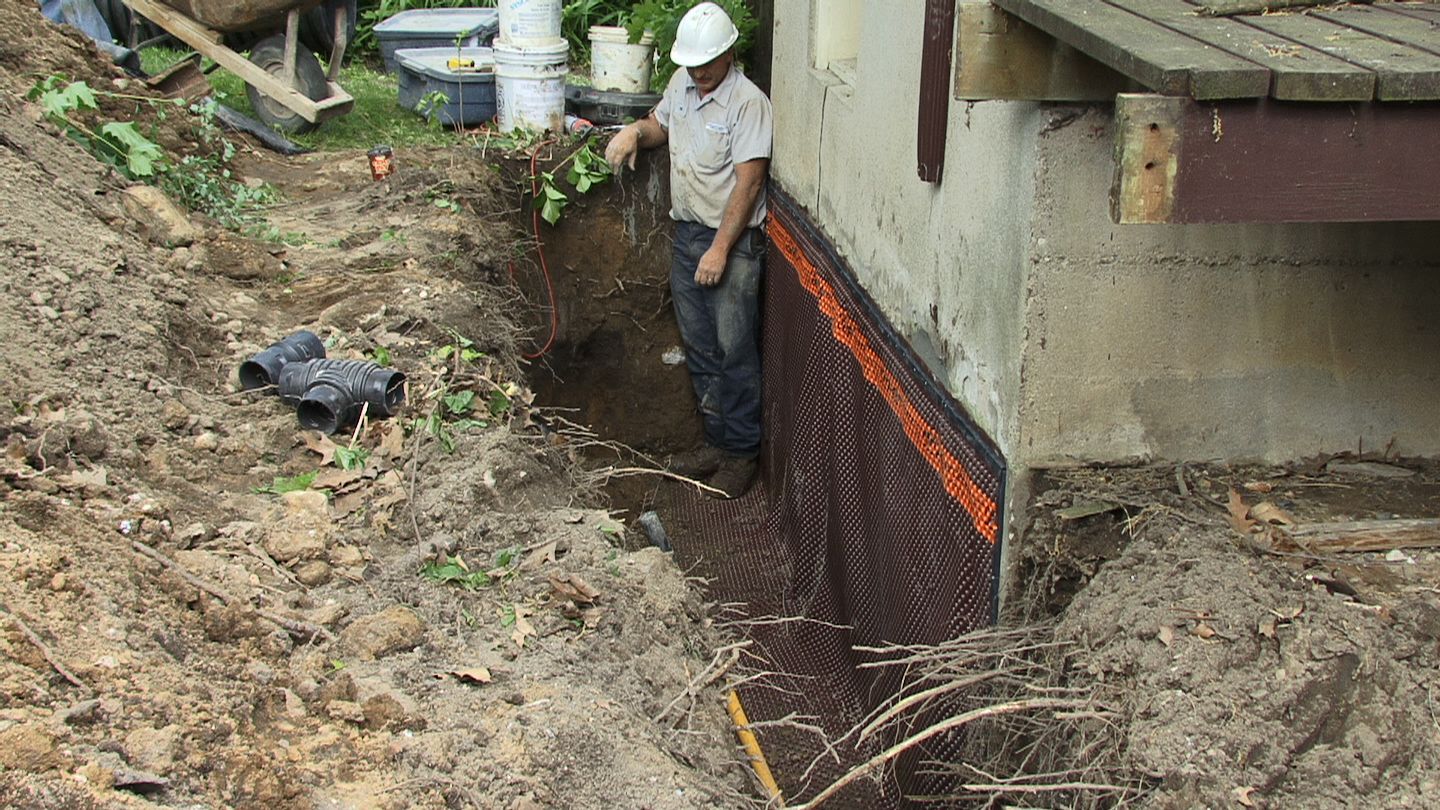
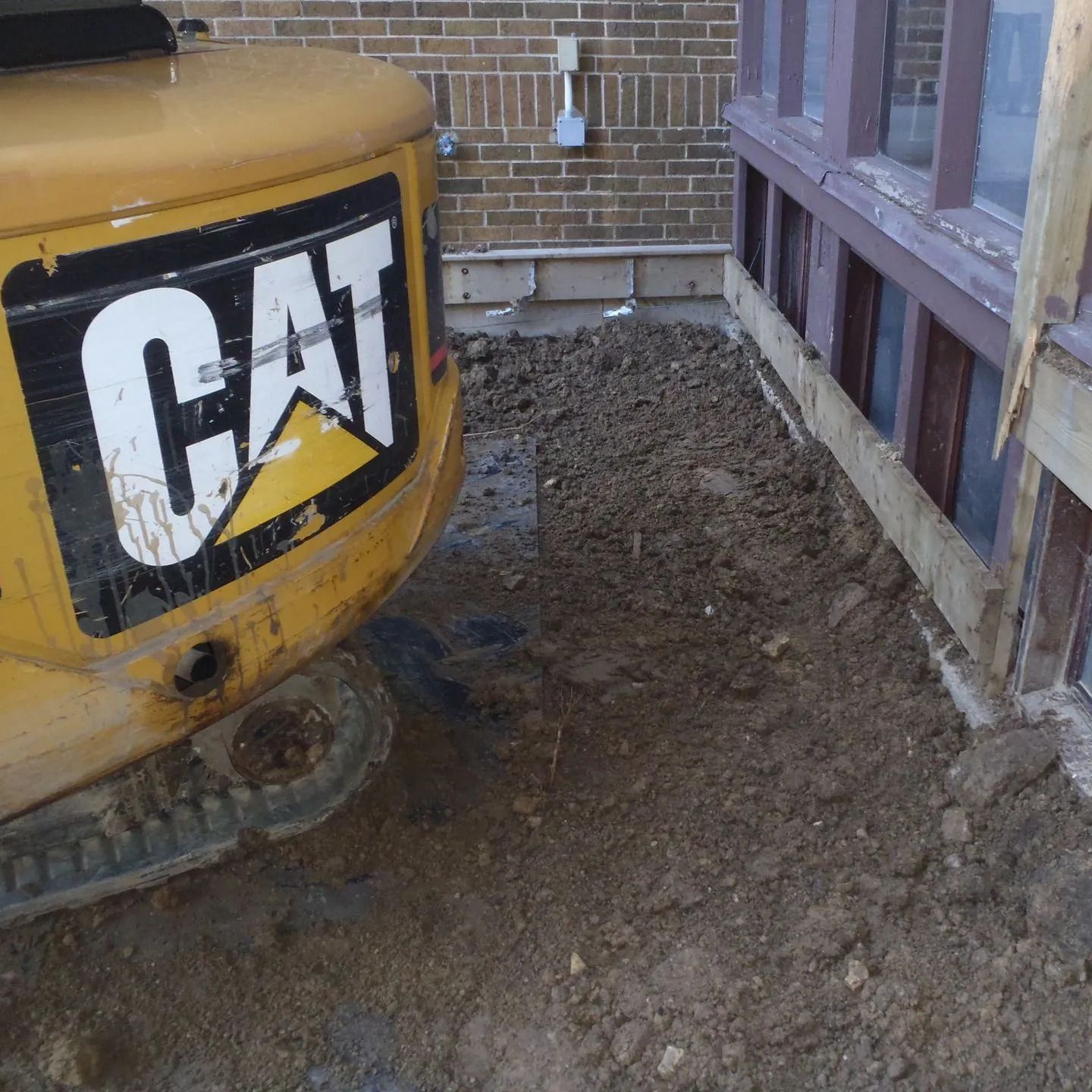
• Exterior crack repair with excavation and weeping tile inspection
• Crack stitching to restore poured concrete strength
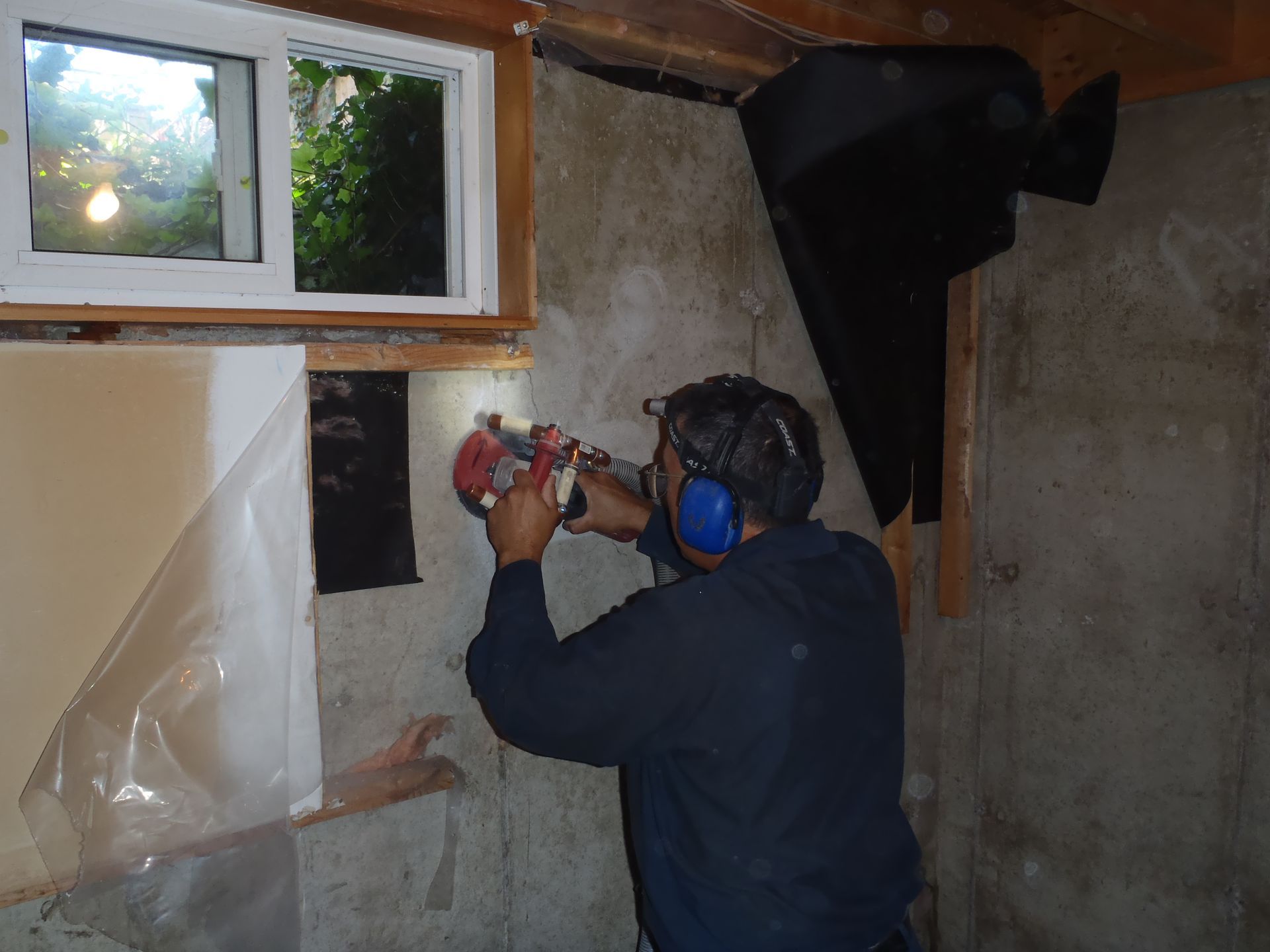
• Internal drainage systems and sump pump installation or servicing
• Window well improvements to reduce basement window leaks
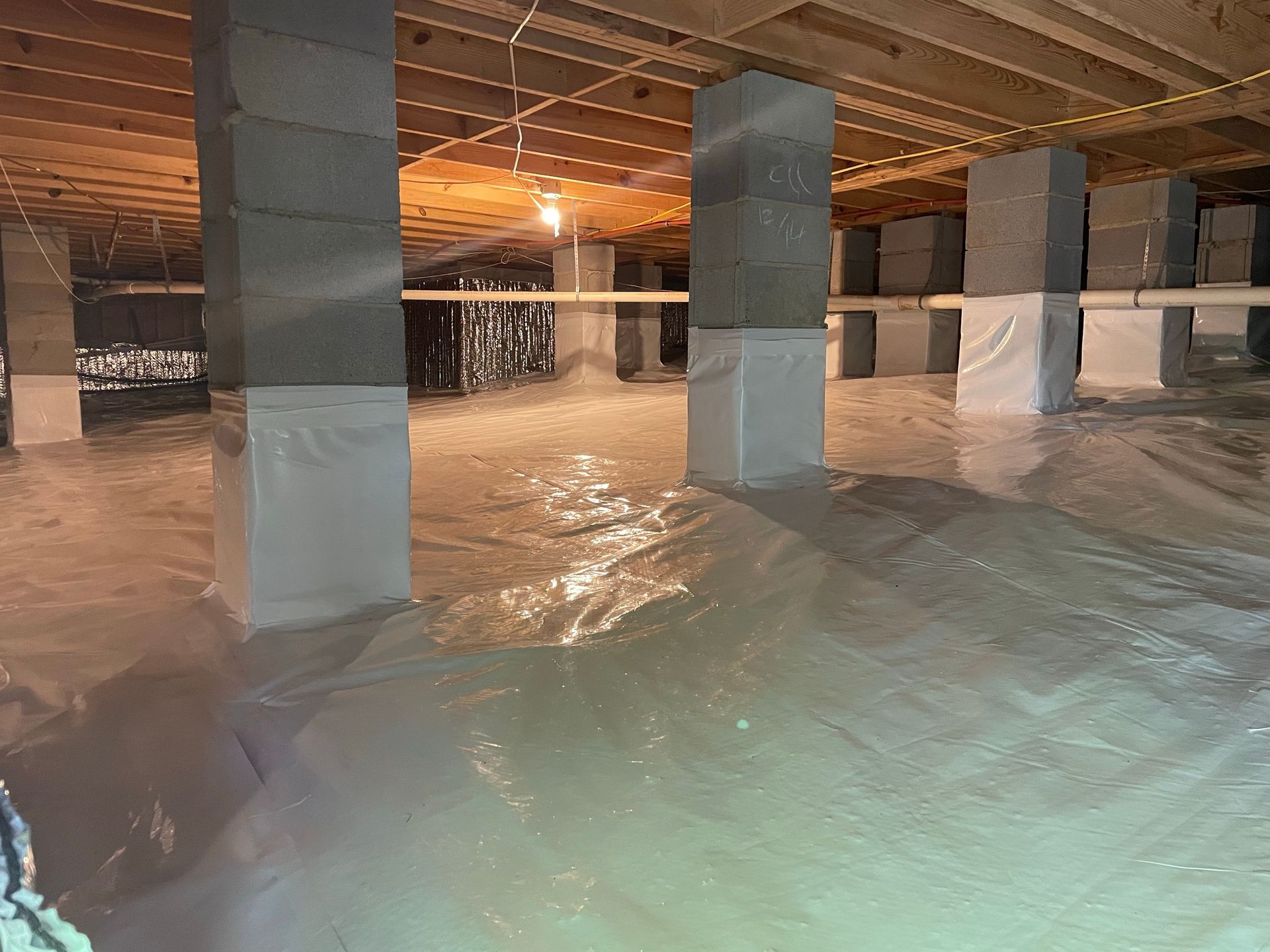
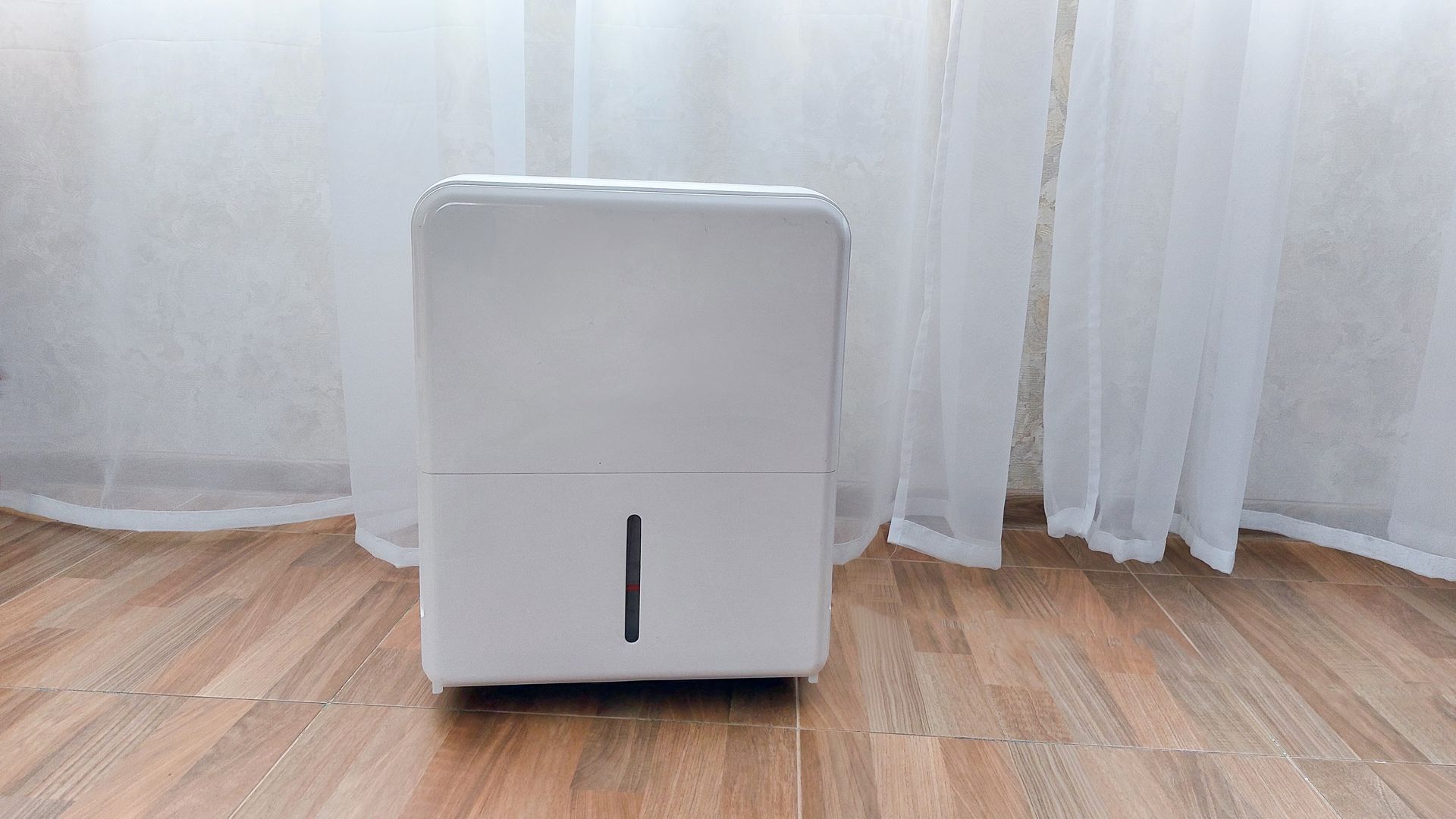
• Basement air quality support, including dehumidification and radon services
Fixing the cause protects the foundation and supports long-term indoor comfort.
Prepare Your Home For Spring Thaw
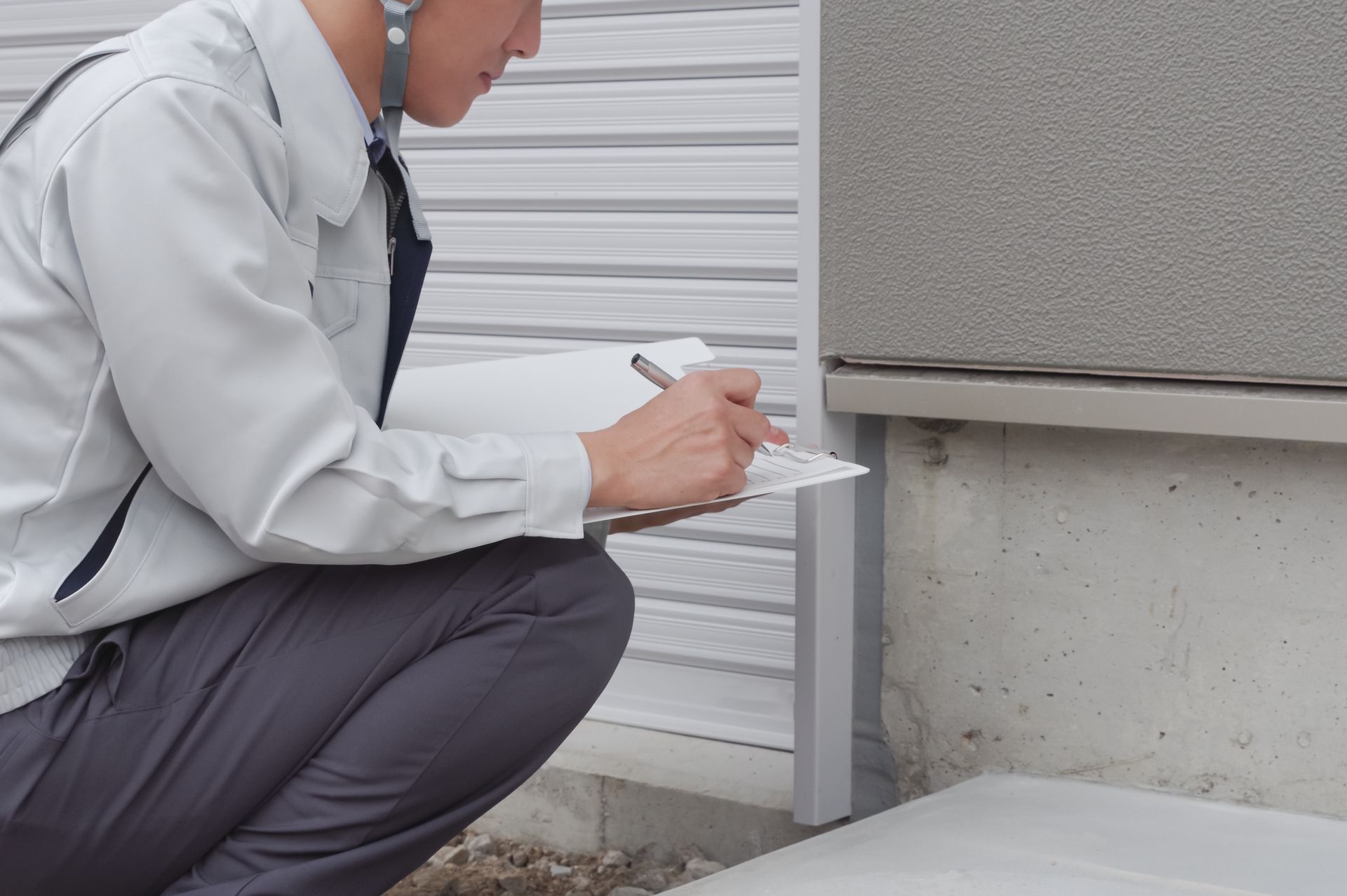
A dry basement reduces stress, protects structure, and supports healthy indoor air. If you notice warning signs or want clarity before spring thaw intensifies, contact DryBasements.com Ltd for a professional inspection. You receive a clear explanation, practical repair options, and recommendations tailored to your home in Woodstock and throughout Southwestern Ontario. Visit DryBasements.com to schedule your basement leak inspection.