Are Horizontal Foundation Cracks Serious? When Crack Stitching Helps
March in Southwestern Ontario often brings the perfect storm for foundation trouble: freeze-thaw cycles, spring rain, and saturated soils after snowmelt. If you’ve noticed a horizontal foundation crack in your basement wall in Woodstock, London, Kitchener, Cambridge, Waterloo, or Brantford, it’s smart to take it seriously. Horizontal cracks can signal structural movement, not just cosmetic aging, and early repair can prevent bigger, more expensive damage.
At DryBasements.com Ltd, we help homeowners across Oxford County and surrounding areas understand what the crack is telling them and choose a foundation repair solution that lasts.
Why Horizontal Foundation Cracks Happen (And Why March Makes Them Worse)
Horizontal cracks typically form when pressure builds against the foundation wall. In our region, that pressure often comes from a combination of:
- Expansive, moisture-heavy soil pushing inward during wet seasons
- Freeze-thaw action that shifts soil and increases lateral force
- Poor drainage or clogged weeping tile that keeps soil saturated
- Downspouts discharging too close to the foundation
As spring thaw hits, waterlogged soil can press hard against basement walls, especially in older neighbourhoods around Woodstock, Stratford, St. Thomas, and Tillsonburg where grading and drainage may not meet modern standards.
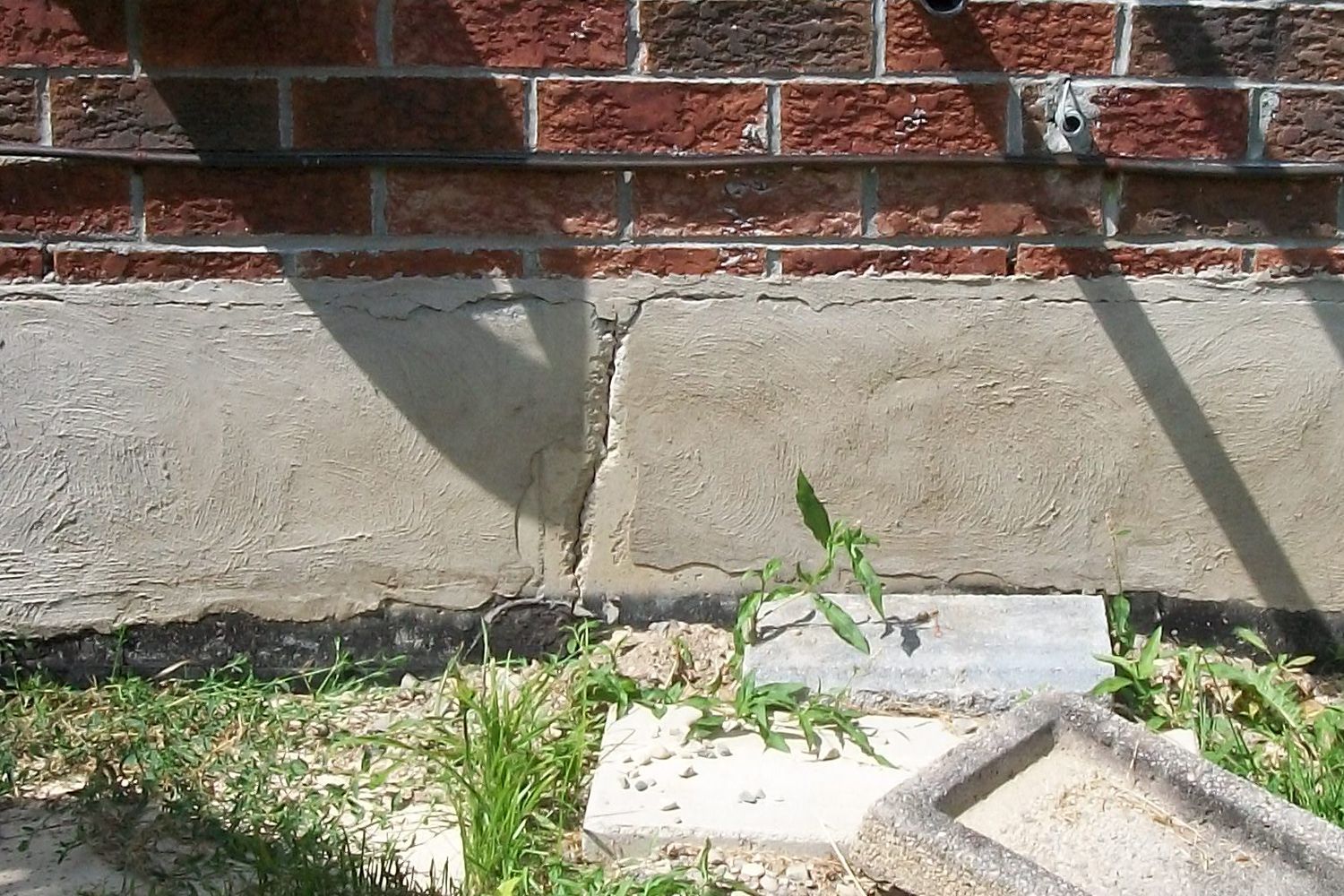
A key difference: vertical cracks are often shrinkage-related in poured concrete, while horizontal cracks more often indicate lateral pressure and potential wall bowing.
People Also Ask: Are Horizontal Foundation Cracks Always Serious?
Not always, but they are a red flag that deserves a professional assessment. Some horizontal cracks are minor and stable, while others are a warning sign of ongoing movement.
A horizontal crack is more concerning when you also notice:
- Bulging or bowed basement walls
- Stair-step cracking in brick or block above grade
- Doors or windows sticking on the same side of the home
- Water seepage, dampness, or efflorescence along the crack line
- Widening crack gaps over time
If you’re seeing any of these signs, it’s time to consider structural foundation repair, not just sealing.
When Crack Stitching Helps (And When It Doesn’t)
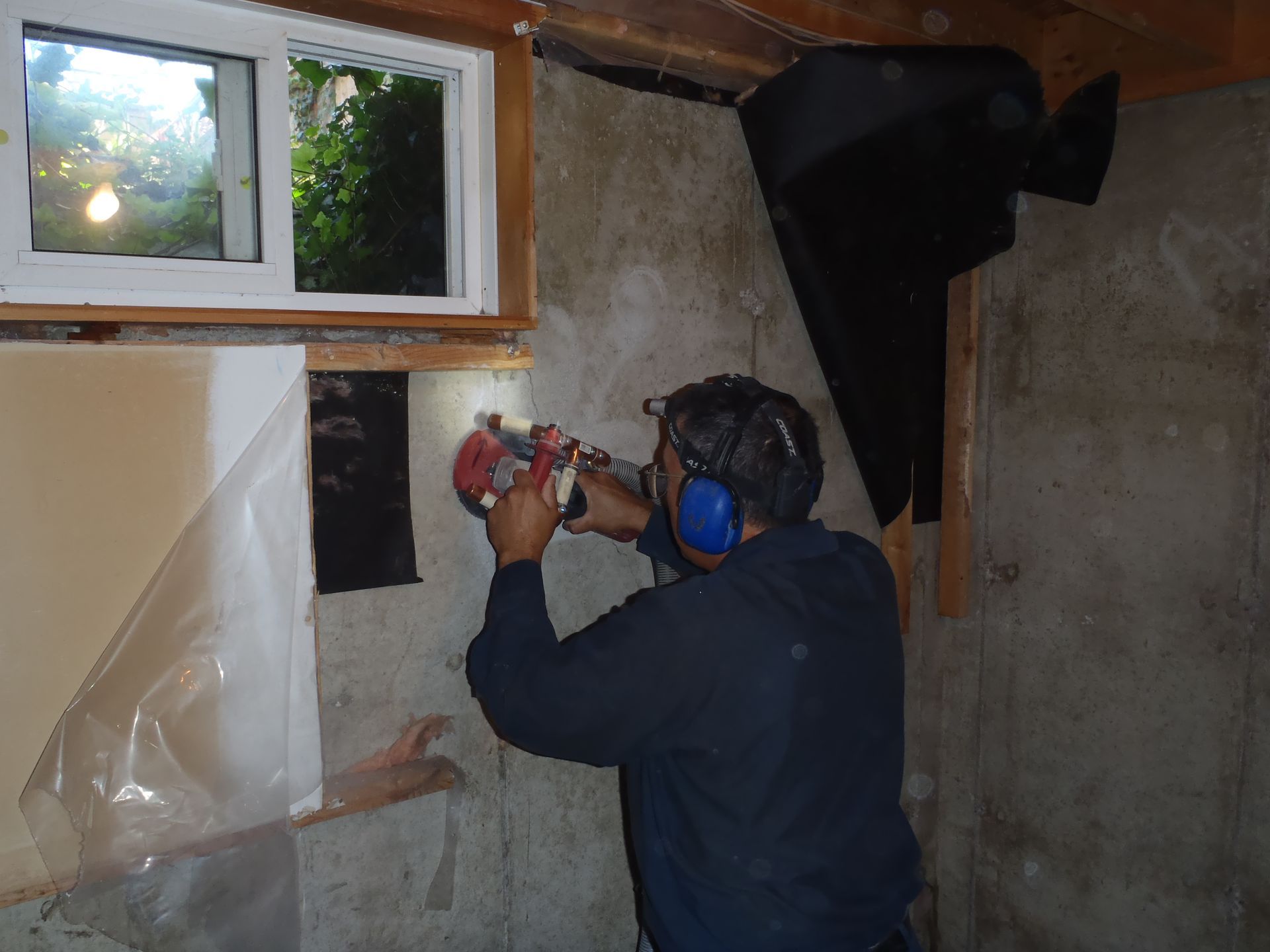
Crack stitching is a proven method used to restore strength across a crack by “stitching” the wall together with reinforcement materials designed to transfer load and reduce further separation. DryBasements.com Ltd uses crack stitching to reinforce poured concrete foundations where structural integrity needs to be restored, not simply covered up.
Crack stitching may be a good fit when:
- The crack is accessible and the wall is largely plumb (minimal bowing)
- You want a structural repair, not a temporary patch
- The crack is in a poured concrete foundation (common in many Ontario homes)
- You’re repairing vertical, corner, horizontal, or overhead cracks that need reinforcement
Crack stitching may not be enough on its own when:
- The wall is actively bowing inward and requires additional stabilization
- There are broader drainage failures outside (for example, saturated backfill or failed weeping tile)
- Water intrusion is ongoing and needs waterproofing or internal drainage support
In many cases, the best long-term result comes from pairing structural repair with moisture control, such as internal drainage, sump pumps, or exterior excavation and waterproofing, depending on what’s causing the pressure.
How We Approach Horizontal Crack Repairs In Woodstock And Beyond
Because foundation problems are rarely “one-size-fits-all,” our process focuses on identifying the source of stress on the wall and recommending the most cost-effective permanent repair.
Depending on your home and symptoms, solutions may include:
- Crack Stitching for structural reinforcement
- Exterior Crack Repair when the crack is tied to water penetration and exterior conditions
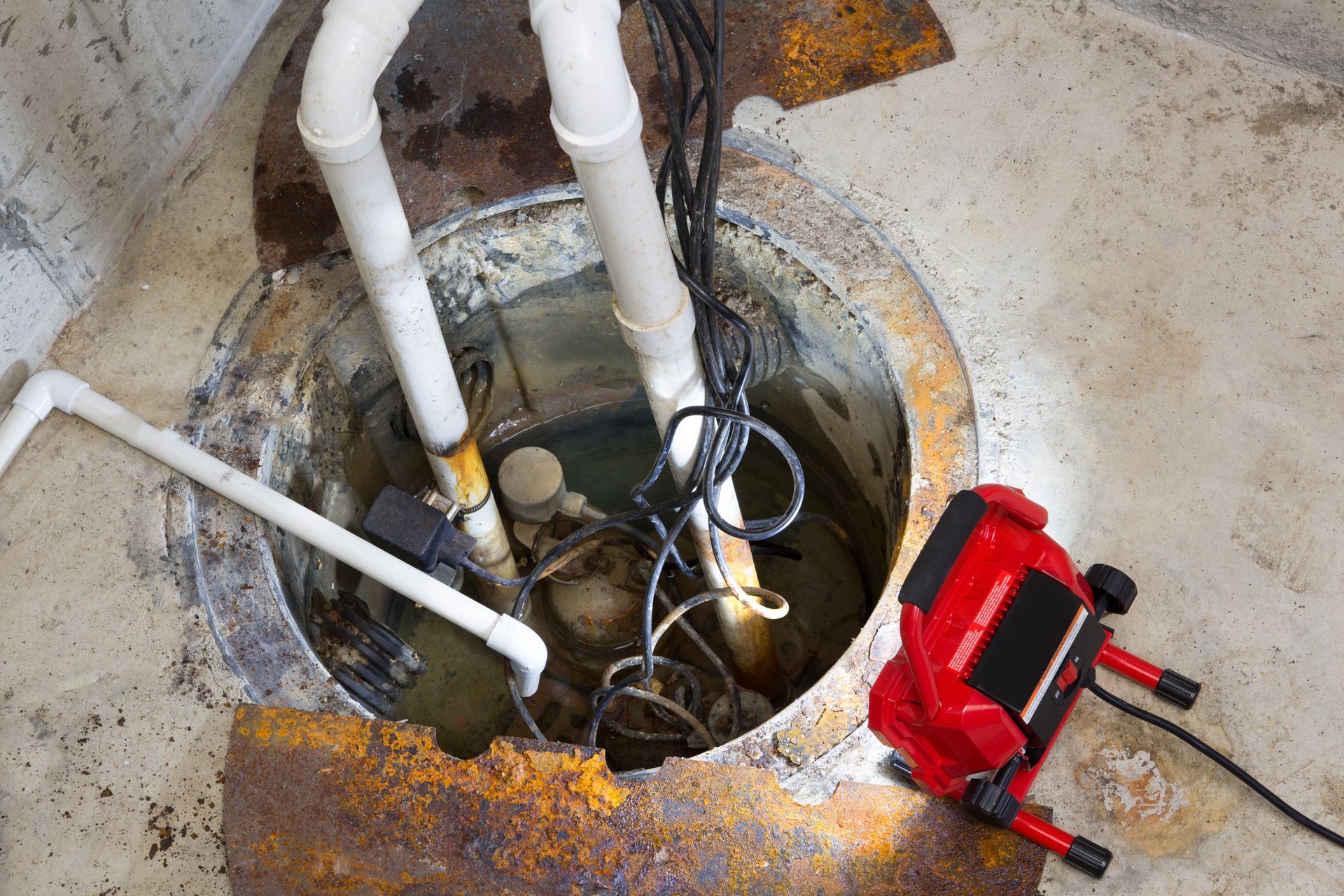
- Internal Drainage and sump pump systems to relieve hydrostatic pressure and manage water
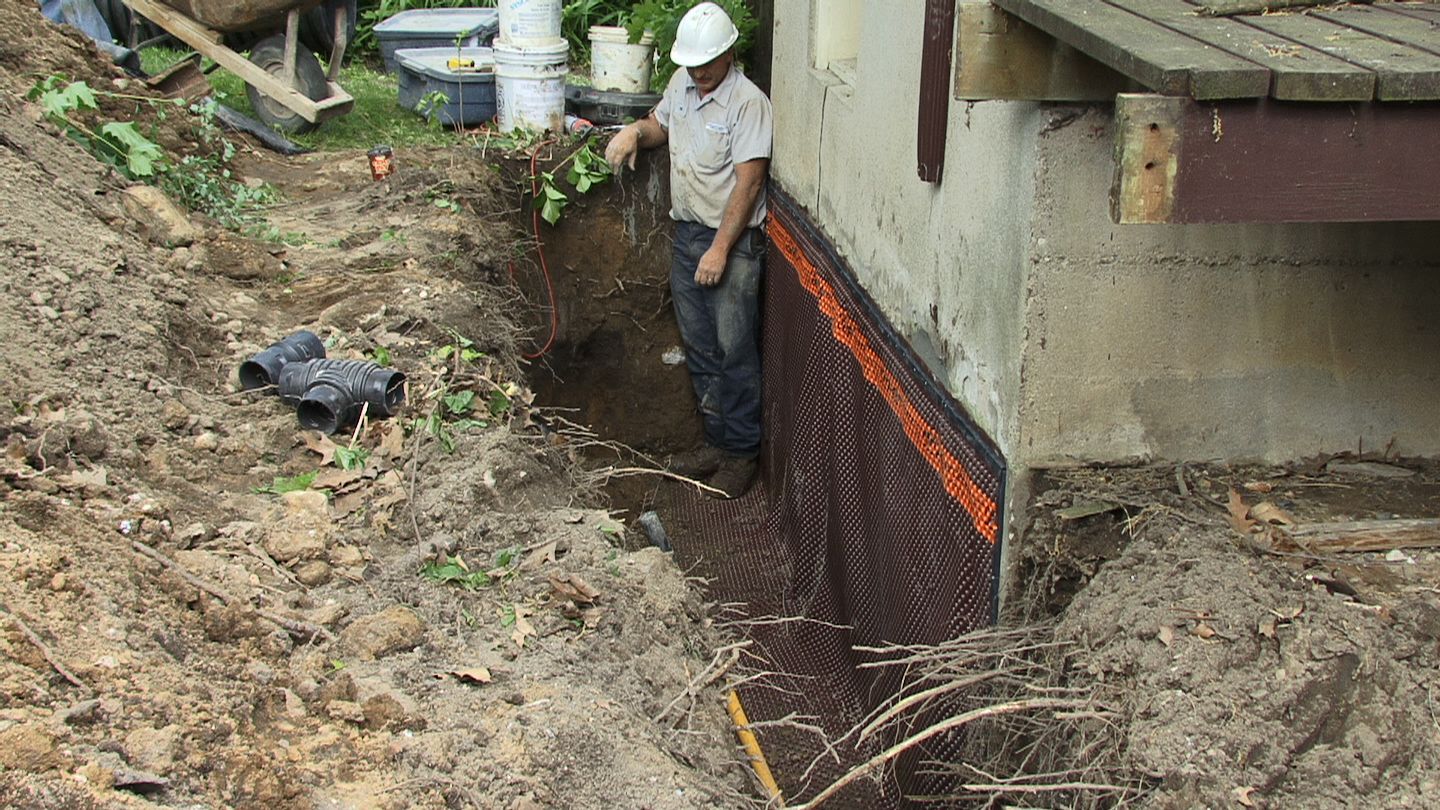
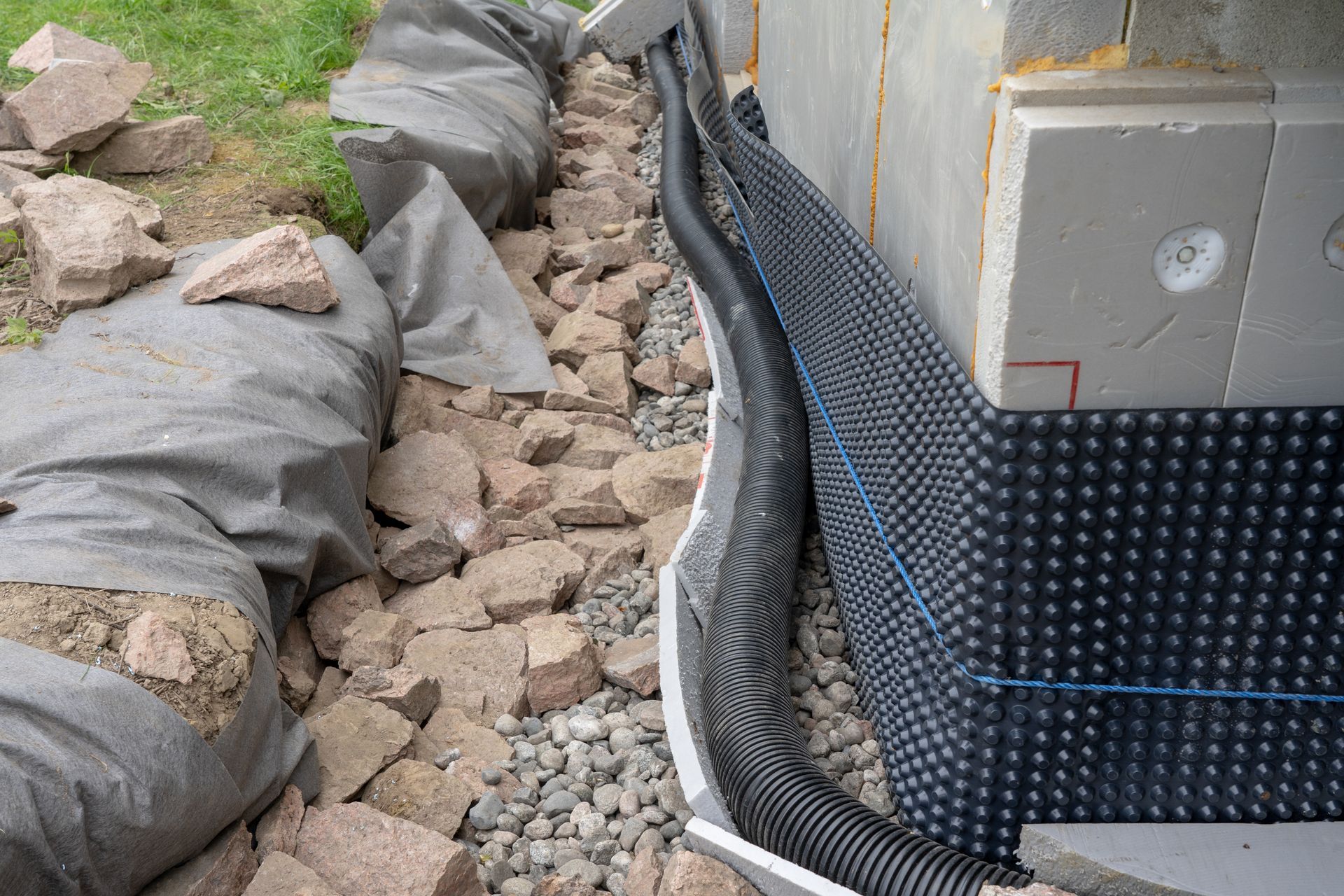
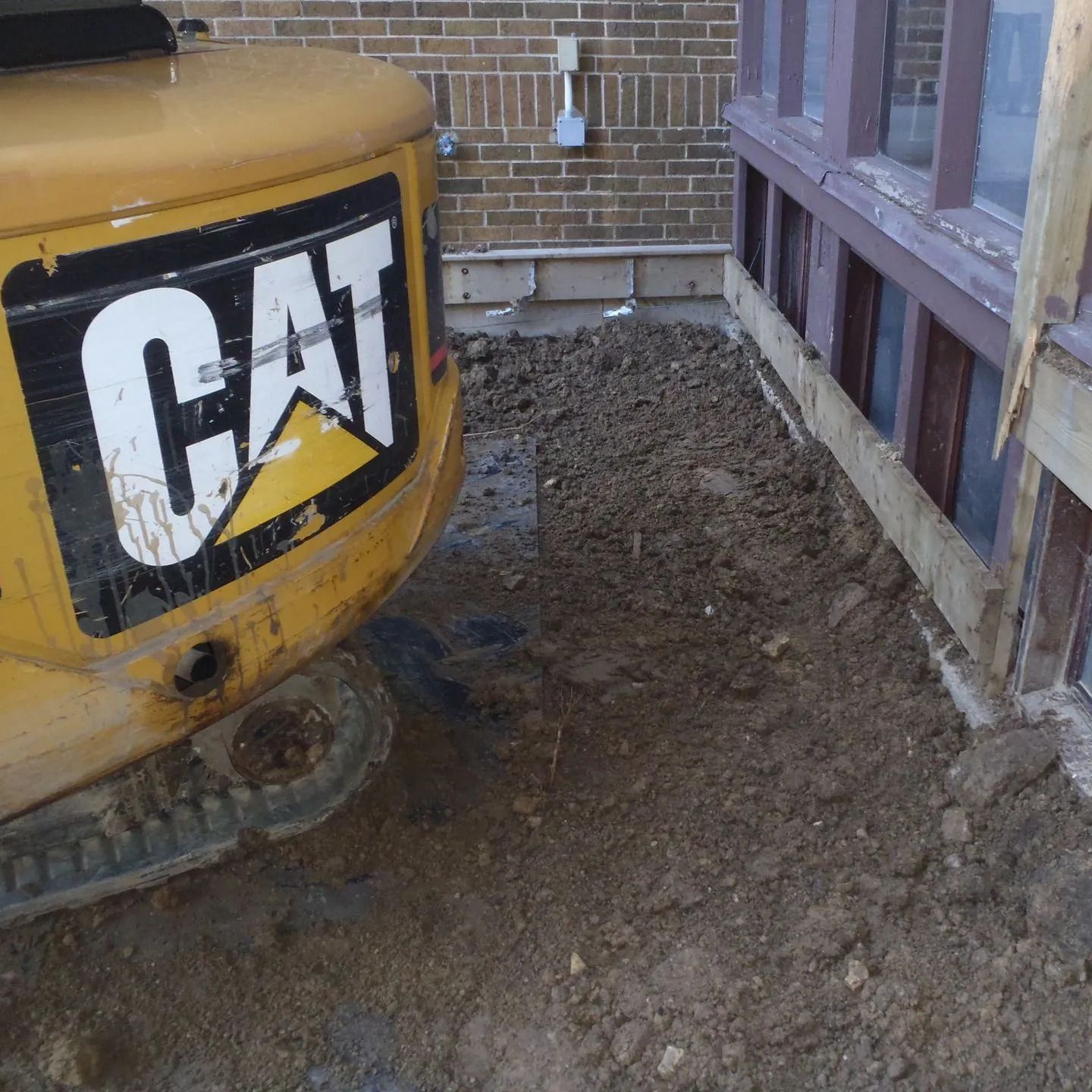
- Exterior Excavation and weeping tile assessment when drainage failure is driving wall stress
March is also a great time to book an inspection before spring rains peak and before landscaping season begins, when excavation and exterior access become more complicated.
Practical Steps Homeowners Can Take This Month
If you’ve spotted a horizontal crack, here are quick actions you can take right away:
- Take clear photos and measure the crack width at a few points
- Check downspouts and extend discharge 6 feet or more from the foundation
- Look for damp spots after snowmelt or rain
- Avoid “quick fix” sealants that hide symptoms without addressing movement
Book A Foundation Crack Assessment With DryBasements.com Ltd
Horizontal foundation cracks can be serious, but they’re also highly repairable when addressed early. If you’re in Woodstock or nearby service areas like London, Kitchener-Waterloo, Cambridge, Brantford, Stratford, St. Thomas, Ingersoll, or Tillsonburg, DryBasements.com Ltd can help you understand what’s happening and recommend a repair plan that protects your home’s structure and value.
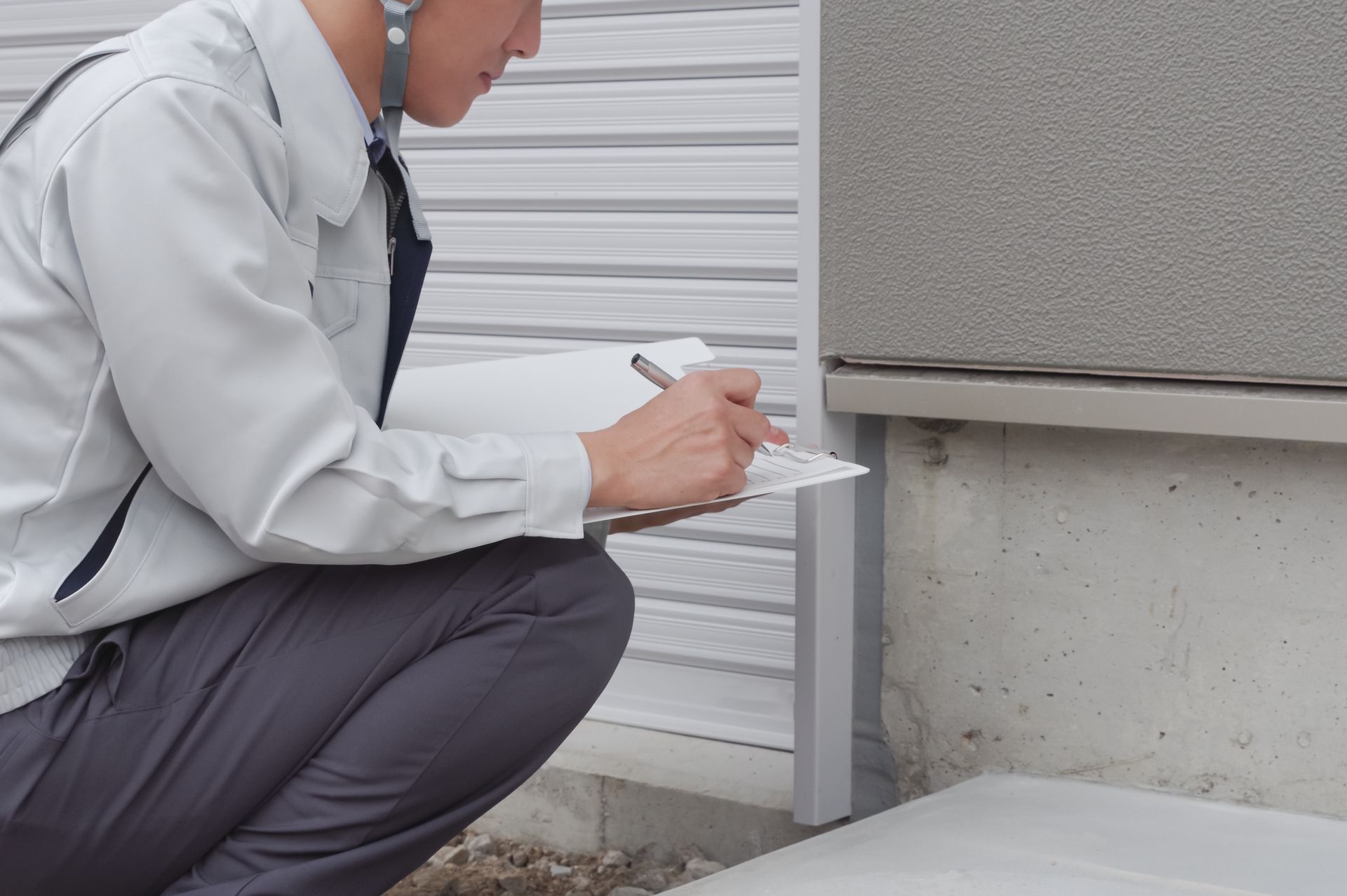
Call DryBasements.com Ltd today to schedule an inspection and find out whether crack stitching is the right solution for your foundation.