April Showers, Dry Basements: Exterior Waterproofing vs Interior Systems
April in Southwestern Ontario brings warmer days, melting snowbanks, and those classic spring rainstorms that can overwhelm soil around your foundation. Homeowners in Woodstock, London, Kitchener, Cambridge, Waterloo, Brantford, and nearby communities often discover basement leaks for the first time this month—right when the ground is saturated and hydrostatic pressure builds against foundation walls.
If you’re seeing damp walls, musty odours, or puddles after a heavy rain, you’re not alone. The key is choosing the right fix: exterior waterproofing, an interior drainage system, or a combination. Here’s how to compare your options for a truly dry basement in April and beyond.
Why April Makes Basement Leaks More Likely
Spring conditions create a perfect storm for water entry around foundations across Oxford County, Middlesex County, and Waterloo Region. April rain plus freeze-thaw effects can open up small cracks, and rising groundwater can push moisture through weak points.
Common April warning signs include:
- Water stains or efflorescence (white chalky residue) on concrete walls
- Damp carpet or lifting basement flooring
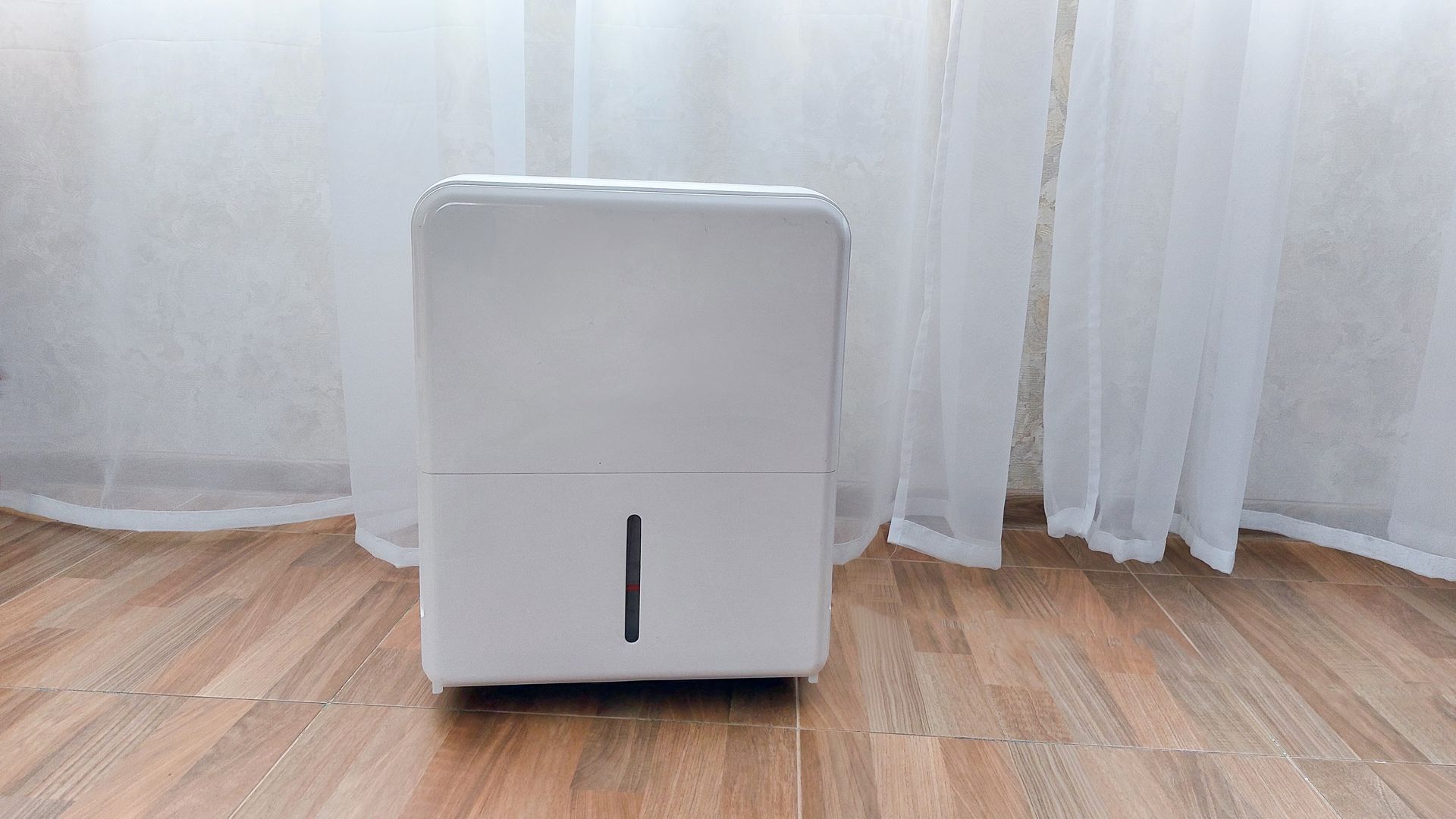
- A persistent musty smell or worsening indoor air quality
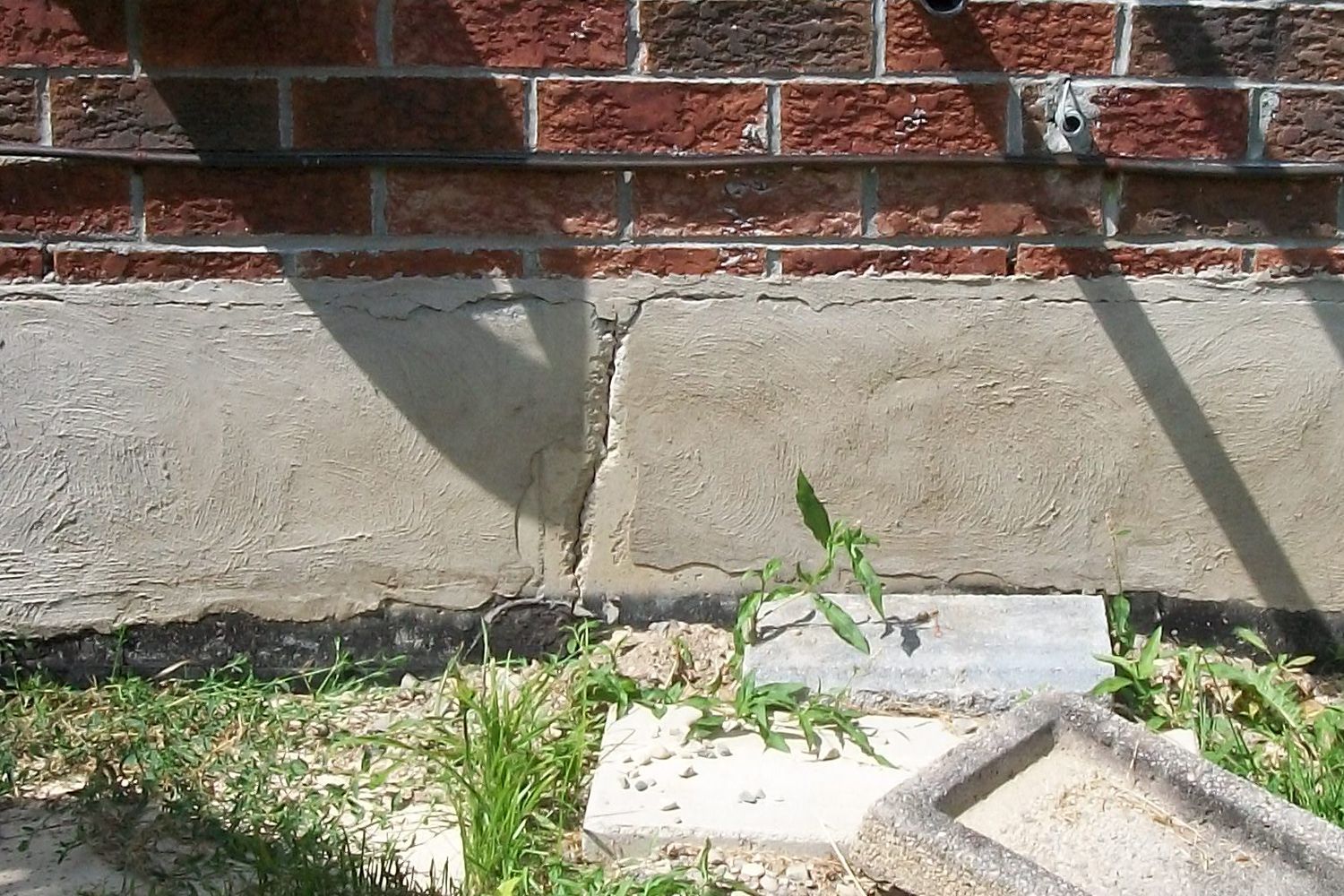
- Visible foundation cracks, especially near corners or windows
- Sump pump running constantly (or not at all)
Exterior Waterproofing: Stop Water Before It Enters
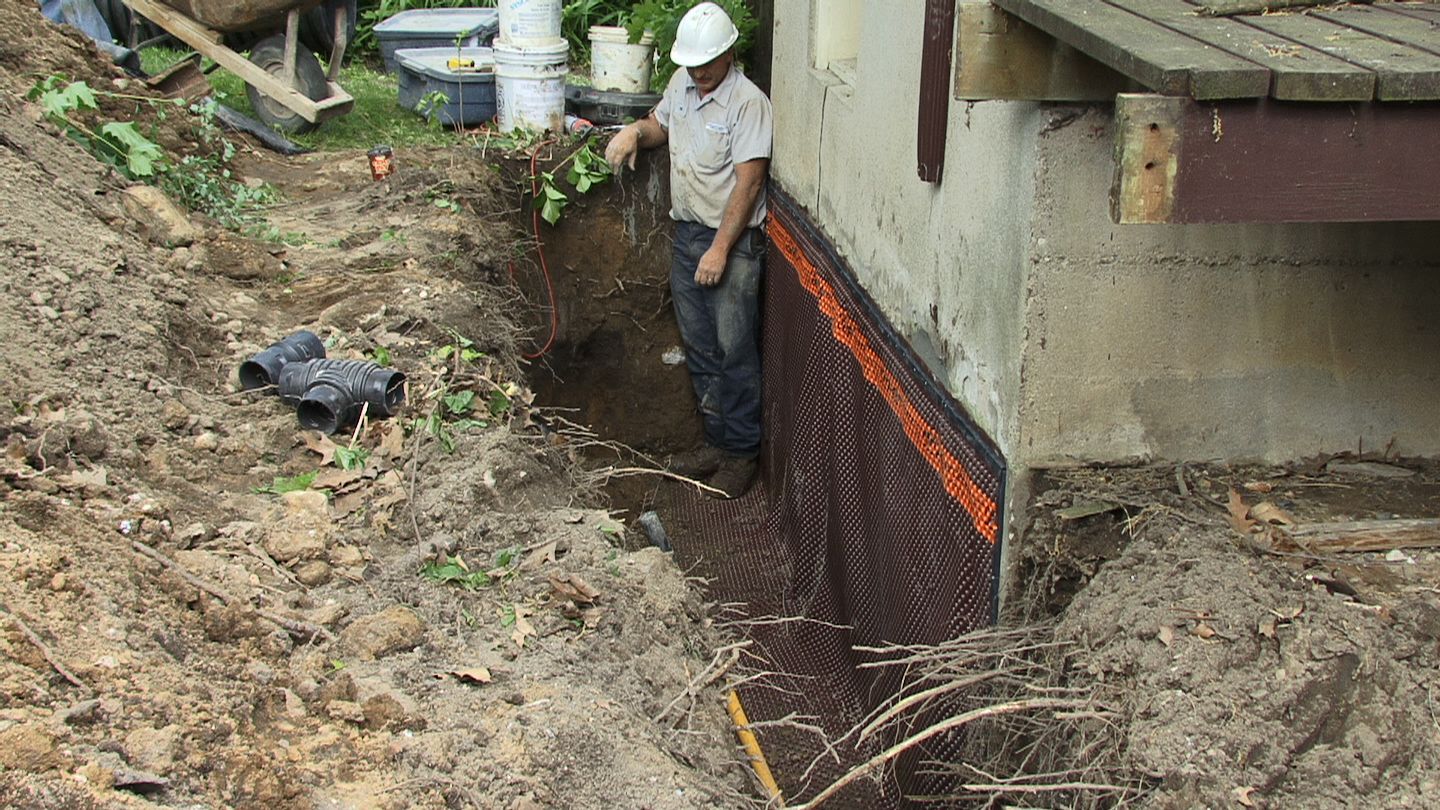
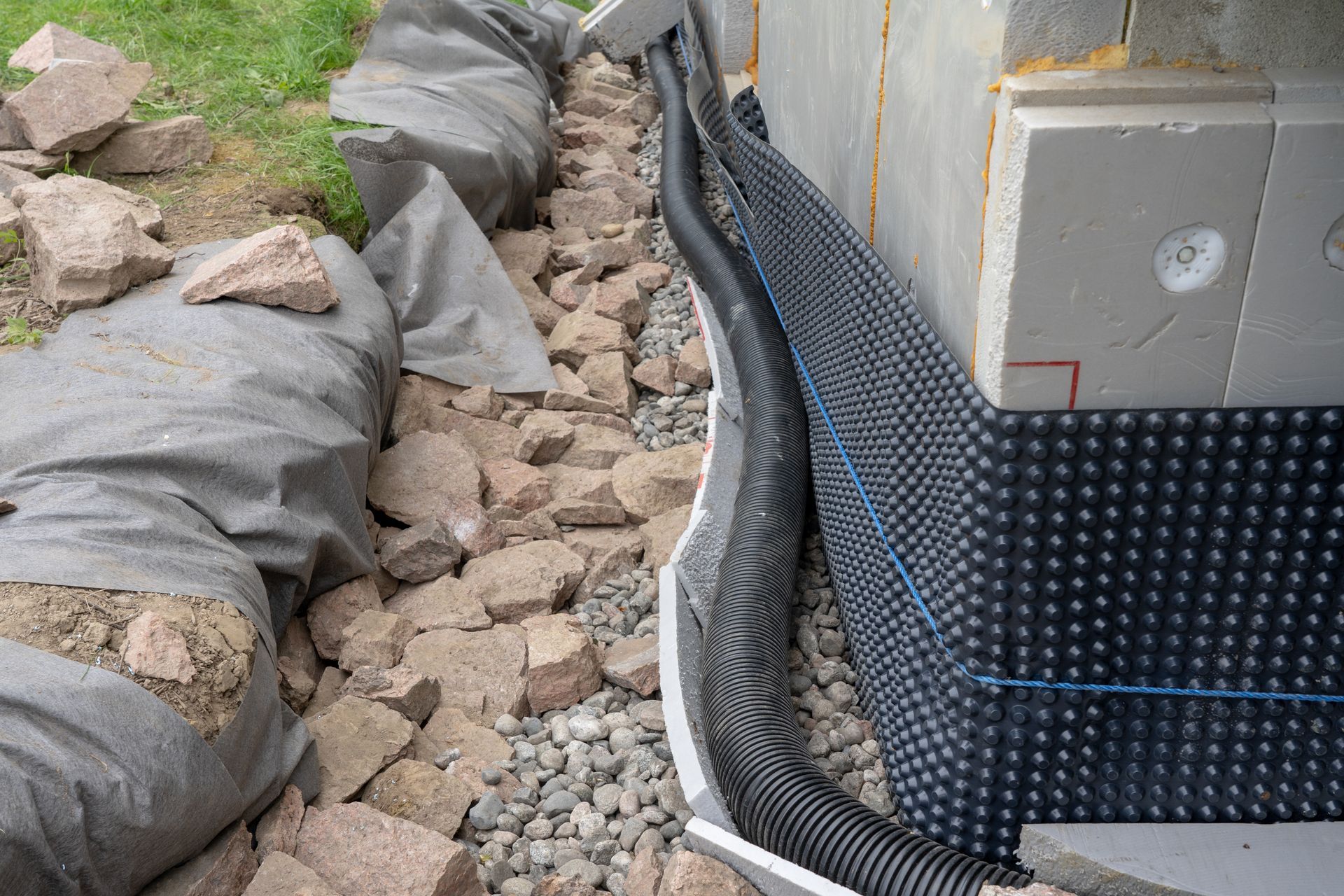
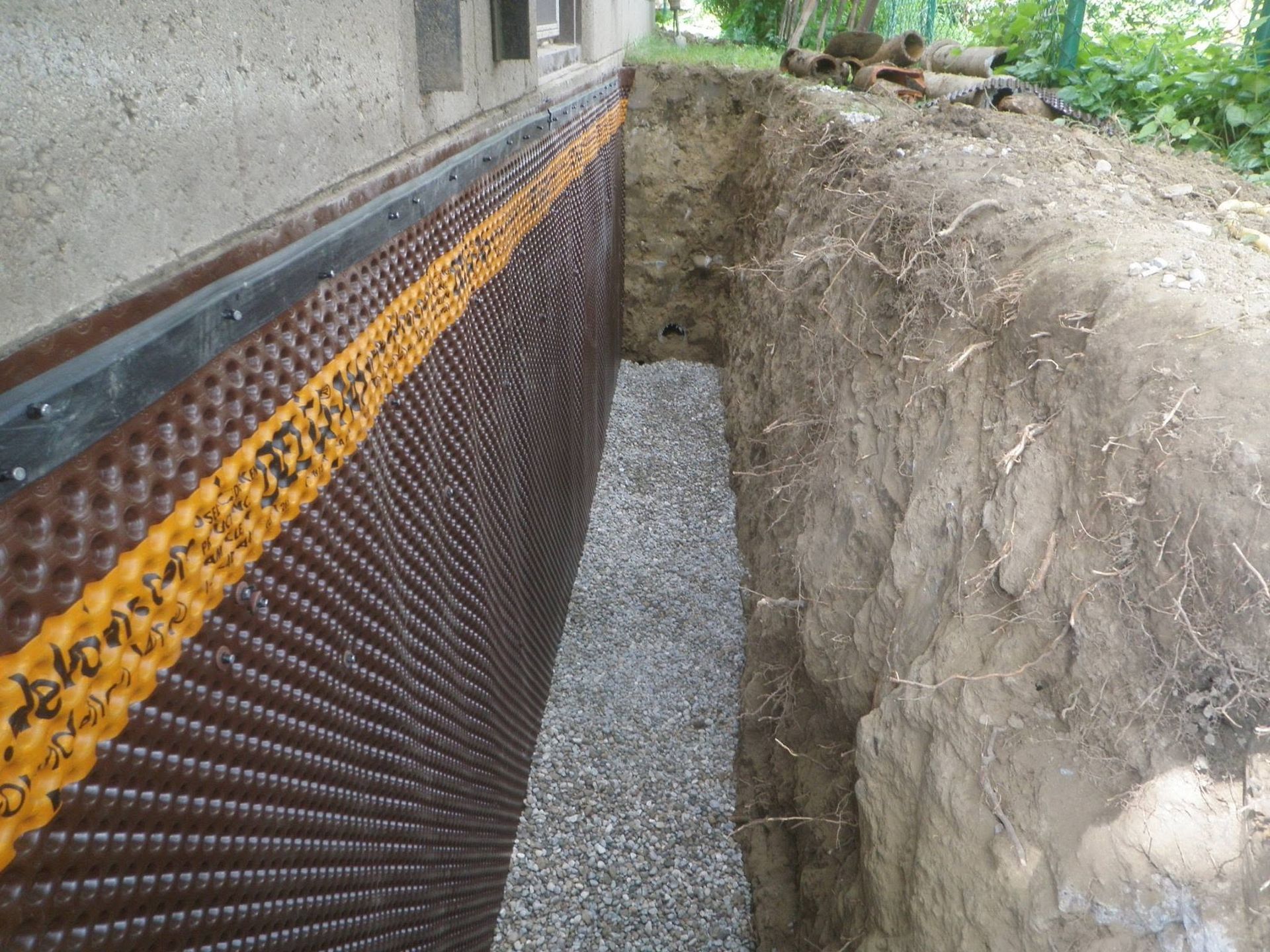
Exterior waterproofing is designed to prevent water from reaching your basement in the first place. For many homes in Woodstock and surrounding areas, exterior crack repair is the most direct solution when the leak is tied to a specific foundation crack.
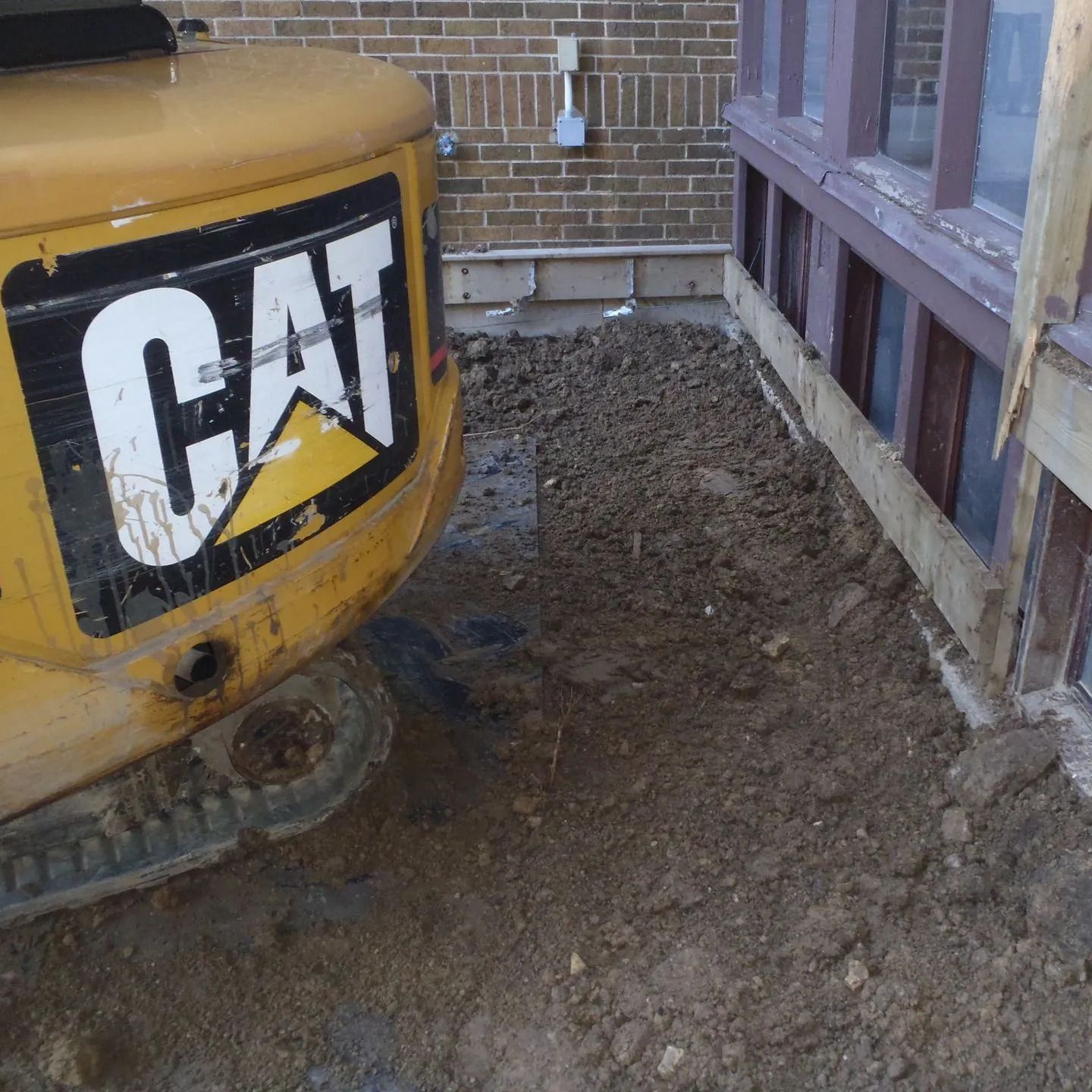
With DryBasements.com Ltd, exterior crack repair typically includes excavation to expose the crack, inspection of the weeping tile, weeper flush and video scoping to identify blockages or failures, and a permanent repair backed by a written lifetime warranty. This approach is especially valuable when water is entering at one or two known points and you want to address the source.
Exterior waterproofing is often a strong choice if:
- You have a leaking vertical crack or corner crack
- Water is entering around window wells or below-grade openings
- Weeping tile issues are suspected, especially in older neighbourhoods
- You want a long-term solution that prevents water contact with the wall
Interior Drainage Systems: Manage Water Reliably Inside
Interior drainage systems don’t stop water from reaching the foundation wall—but they control it safely once it enters. In wet springs, this can be a practical, cost-effective solution when water pressure is high or multiple seepage points exist.
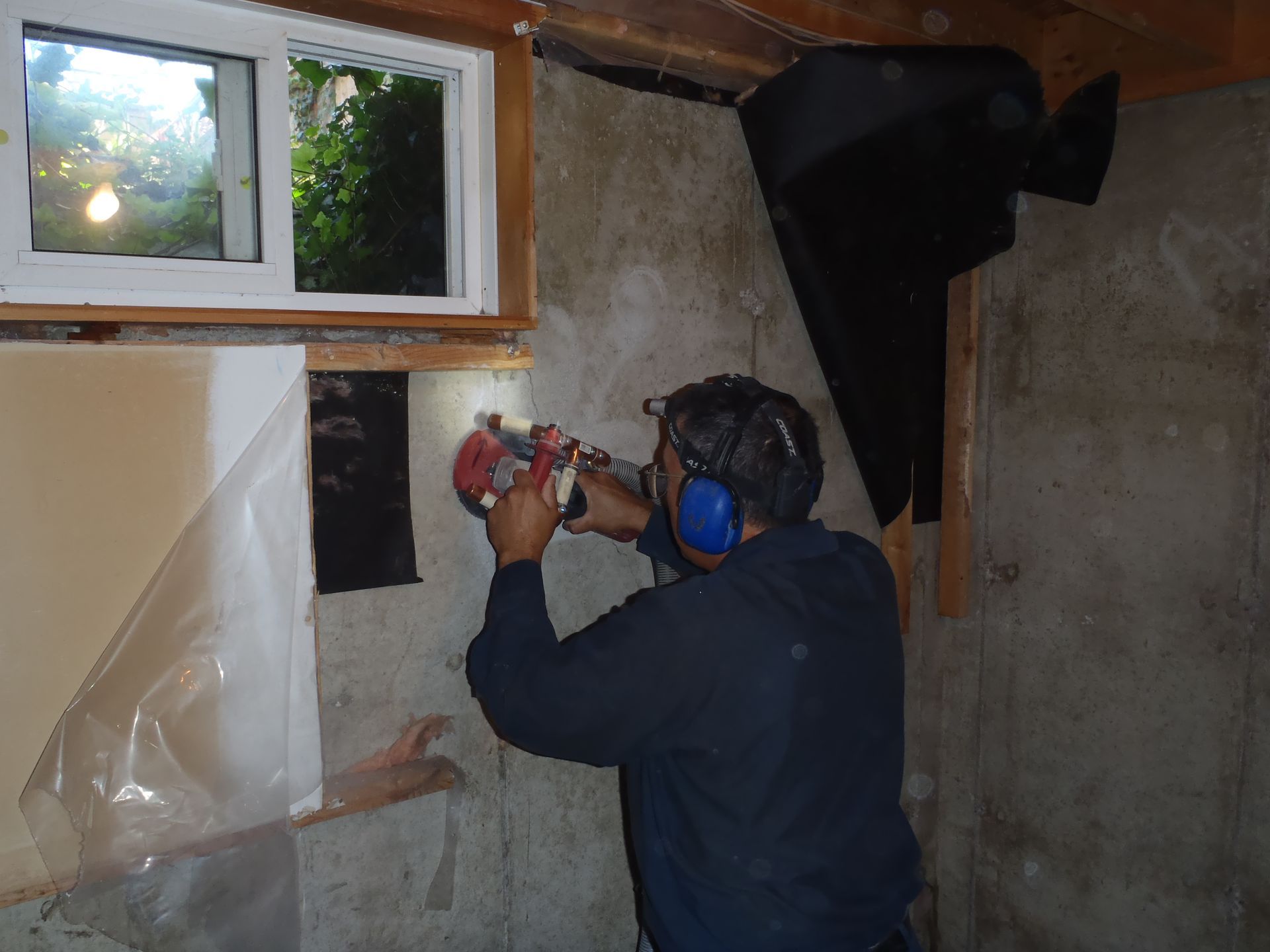
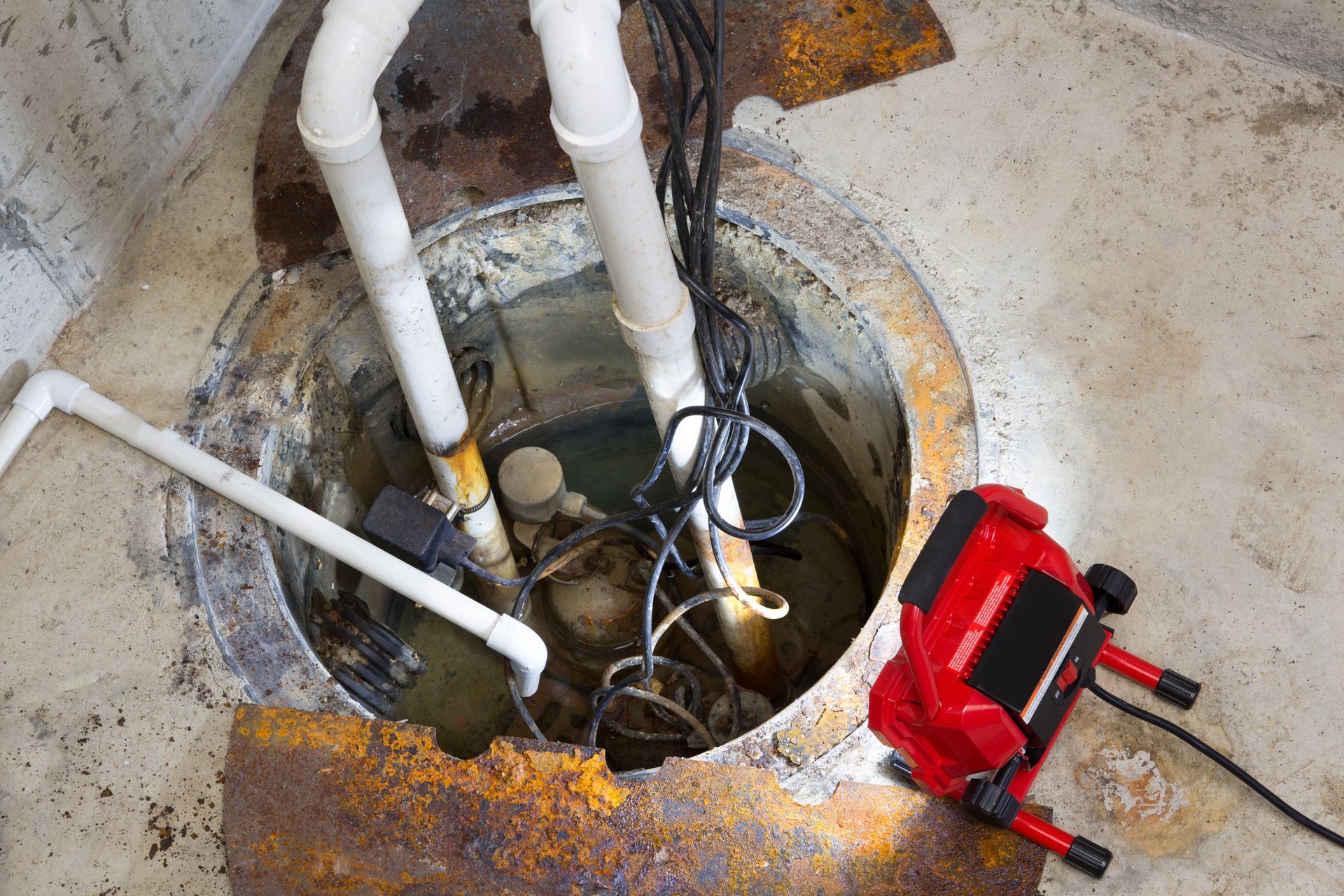
An internal drainage system typically involves a perimeter drain along the basement edge that channels water to a sump pump for removal. This can be paired with foundation crack sealing, floor drainage solutions, and sump pump installation or maintenance to reduce the risk of spring flooding.
Interior systems are often a smart option if:
Seepage happens along the wall-floor joint after heavy rain
You have multiple damp areas rather than one clear crack
Exterior excavation isn’t feasible due to hardscaping, tight lot lines, or additions
You want a robust solution that performs during intense April storms
People Also Ask: Is Interior Waterproofing Better Than Exterior?
This depends on the cause of the leak and the condition of your foundation and drainage. Exterior waterproofing is best when you can address a specific entry point (like a crack) and want to block water before it touches the foundation wall. Interior drainage is often better when water is widespread, groundwater is high, or the basement needs a controlled path to relieve pressure and prevent puddling.
In many Southwestern Ontario homes—especially where spring saturation is a yearly pattern—the best outcome may be a combined approach: fix known cracks from the outside and add interior drainage and a sump pump system for redundancy during extreme weather.
Local Considerations For Homes in London, Kitchener, and Woodstock
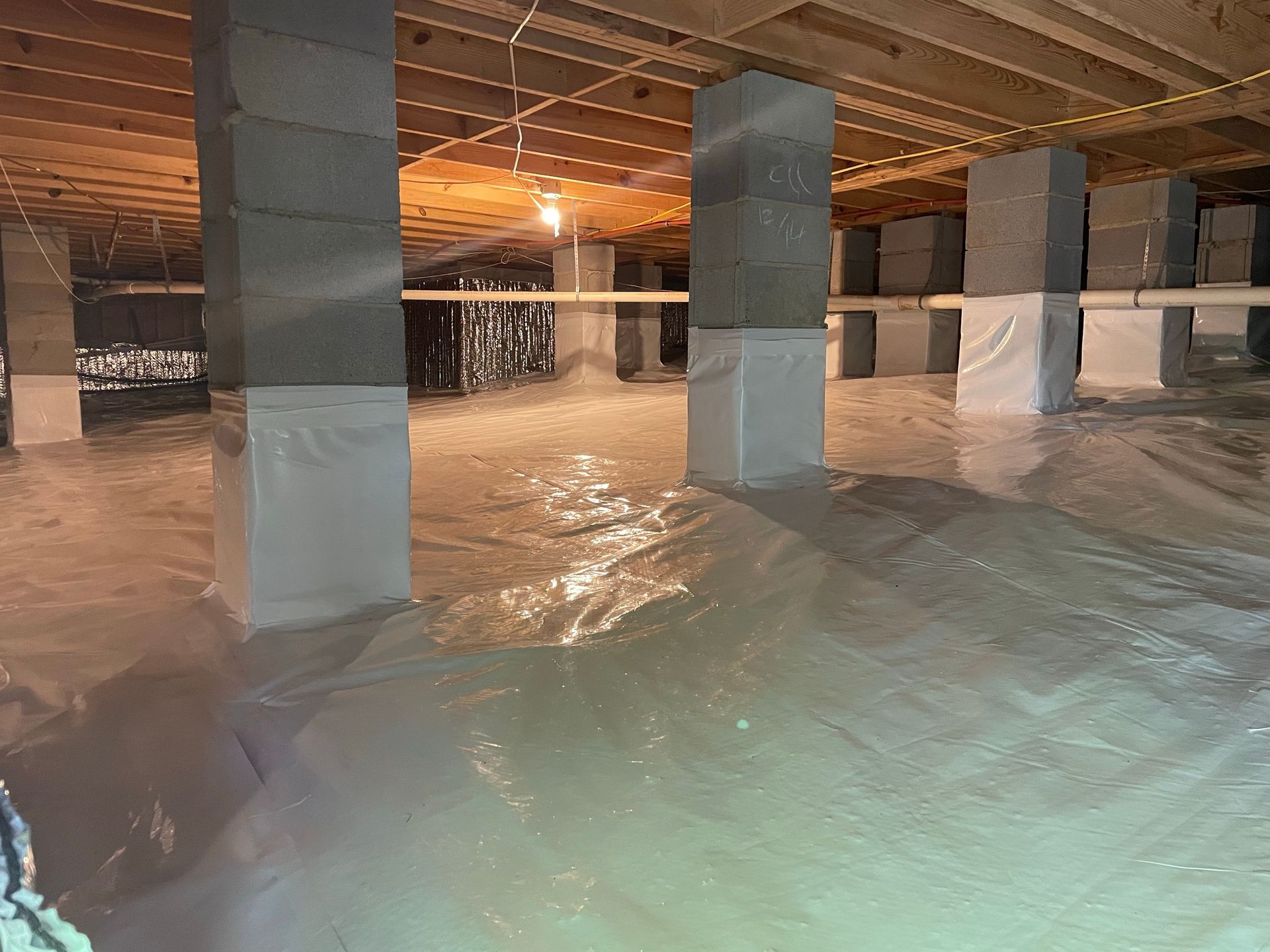
Not all basements behave the same. Soil type, grading, and the age of the home all matter. For example, some pre-1970 homes may have older drain tile configurations that can contribute to drainage problems and, in some cases, risky sewer connections. Spring is also when downspout extensions, grading issues, and clogged window well drains reveal themselves.
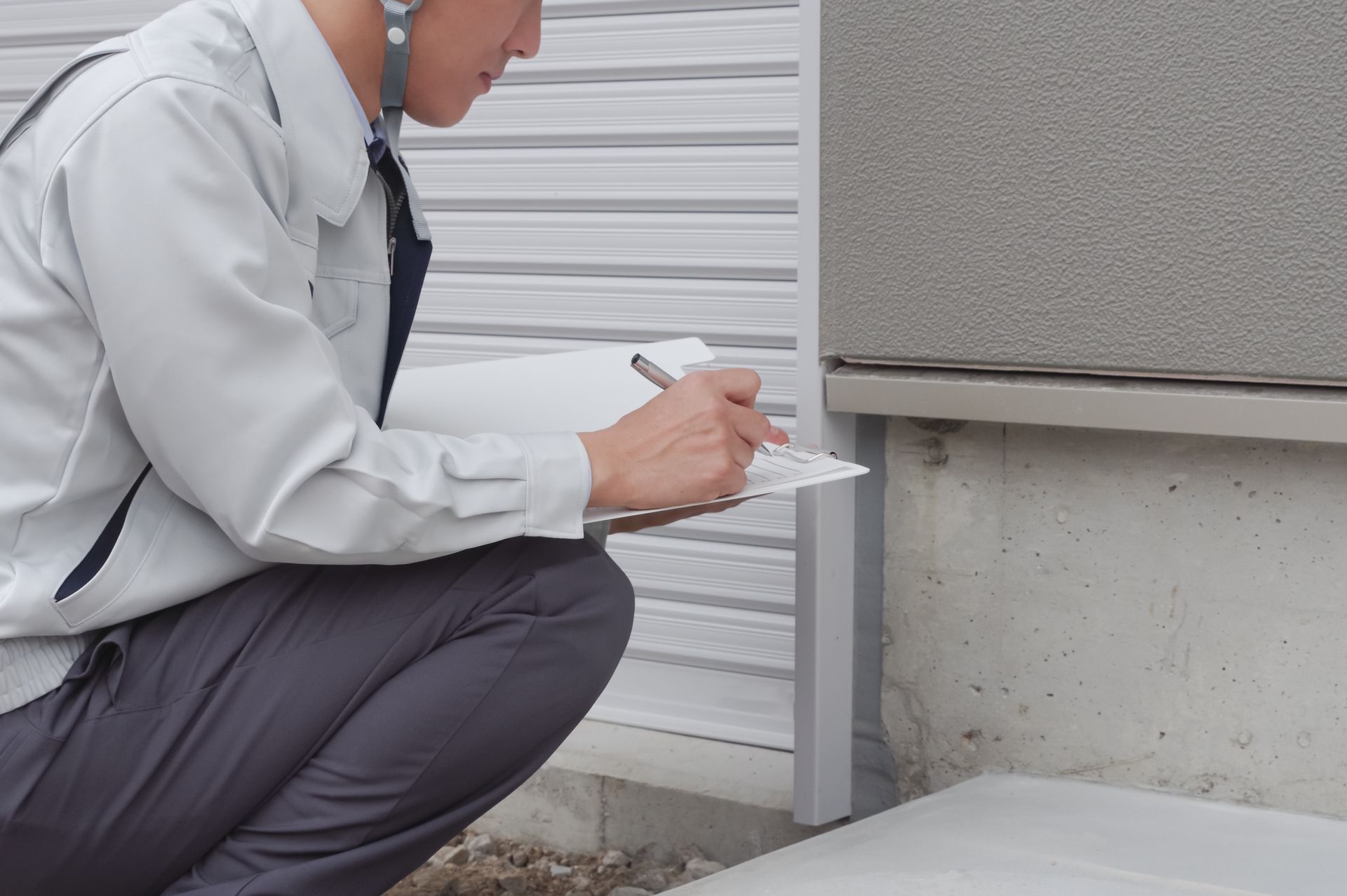
A professional assessment can pinpoint whether your issue is a crack, a failing weeping tile system, high groundwater, or a combination.
Spring Maintenance Tips Before The Next Downpour
A few practical steps can reduce risk during April showers:
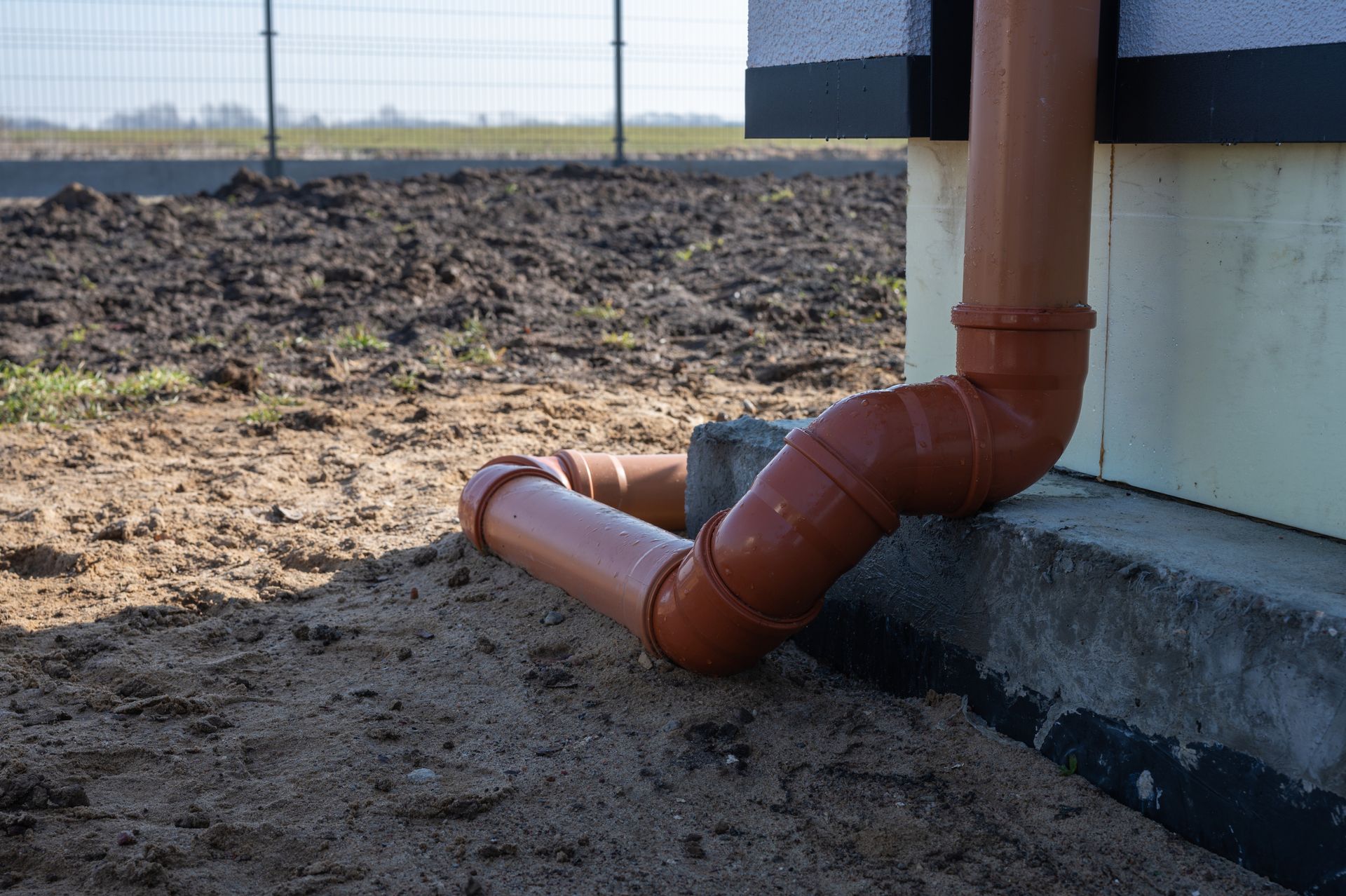
- Extend downspouts away from the foundation
- Clear debris from window wells and confirm they drain properly
- Check that the sump pump activates and discharges away from the house
- Watch for new cracks after freeze-thaw cycles and early spring settling
- Keep Your Basement Ready for Easter Hosting and Spring Projects
April often brings holiday gatherings, spring cleaning, and renovation planning. A damp basement can quickly turn stored items into a mold risk and can affect indoor air quality throughout the home. If you’re planning to finish your basement, store valuables, or simply want peace of mind during spring storms, waterproofing and drainage upgrades are a smart seasonal investment.
Book a Basement Waterproofing Assessment in Woodstock and Beyond
If April rains are finding their way into your basement, DryBasements.com Ltd can help you choose the right solution—exterior crack repair, interior drainage, sump pumps, window well solutions, or foundation reinforcement like crack stitching. Serving Woodstock, London, Kitchener, Waterloo, Cambridge, Brantford, St. Thomas, Stratford, and surrounding communities, our team focuses on permanent repairs and reliable workmanship.
Contact DryBasements.com Ltd today to schedule an inspection and get a clear plan to keep your basement dry this spring and every season after.