Can a Sump Pump Freeze? Protect Discharge Lines in Ontario Winters
When January deep-freeze hits Southwestern Ontario, sump pumps often work harder—and in some cases, stop working altogether. Yes, a sump pump can freeze, especially the discharge line, and that can send water right back toward your foundation. Here’s how homeowners in London, Kitchener-Waterloo, Cambridge, Brantford, Woodstock, St. Thomas, and surrounding communities can prevent mid-winter surprises.
Ontario deep-freeze reality: why sump systems freeze
Our region’s lake-effect snow and frequent freeze–thaw cycles create the perfect conditions for icing. The most common culprit isn’t the pump itself—it’s the discharge line outside your home. If the line is undersized, not sloped correctly, or discharges too close to the foundation, water can stall, freeze, and block the pipe. The pump then runs against a blockage, increasing the risk of burnout and basement backups.
What temperature will a sump pump line freeze at?
Ice can begin forming at 0°C, but wind chill, shaded side yards, and compacted snow around the outlet accelerate freezing. In London and across the Thames and Grand River watersheds, repeated thaws followed by -10°C to -20°C nights are especially risky because lines fill with meltwater during the day and refreeze after dark.
How do I keep my sump pump discharge line from freezing in Ontario?
Preventing a frozen line is a mix of good design, maintenance, and smart upgrades:
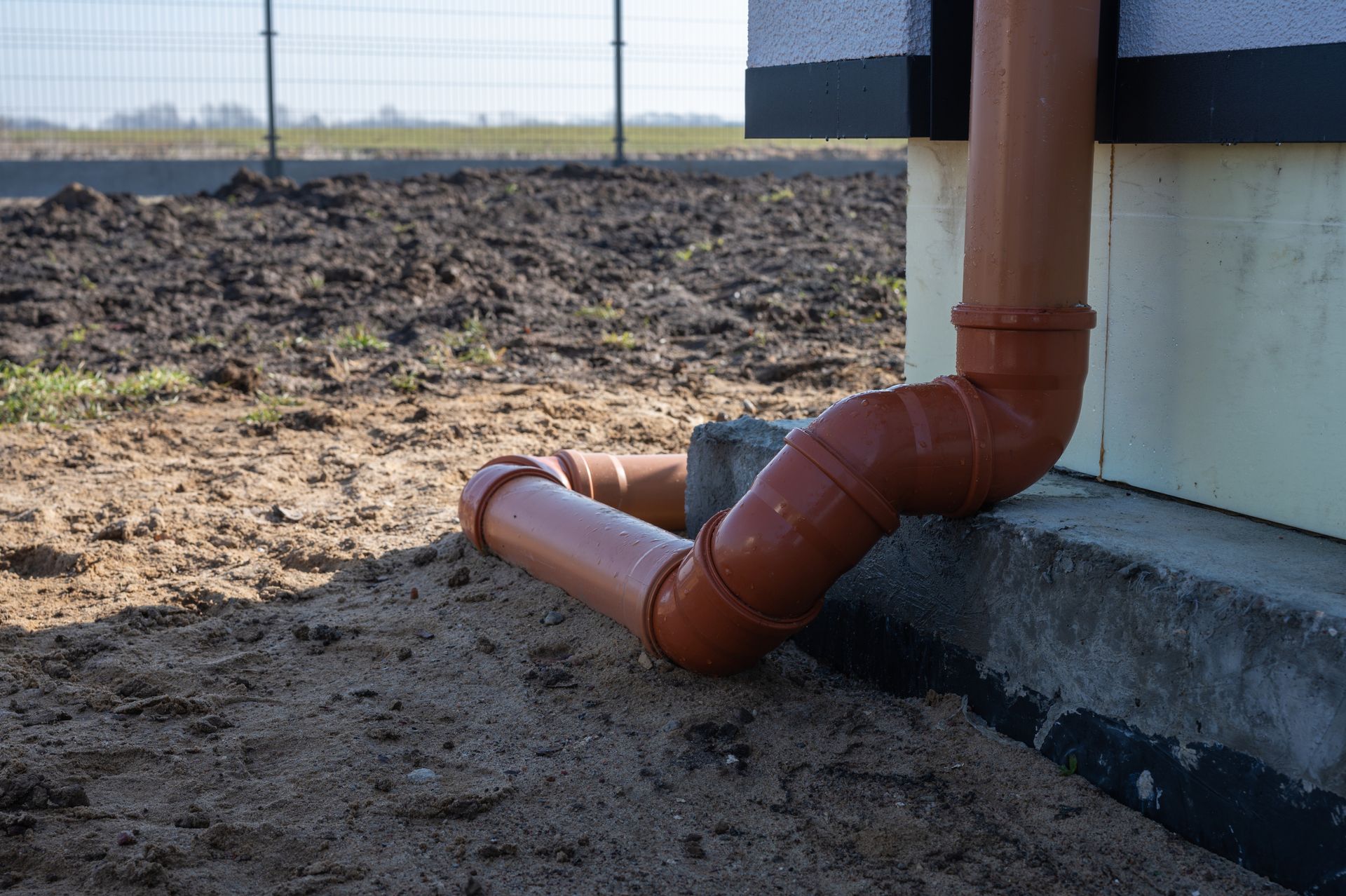
- Extend and daylight the discharge: Carry water well away from the foundation—ideally to a sloped area that drains freely, not to a low spot where water collects and re-freezes.
- Use a larger-diameter, smooth-wall pipe: This reduces friction and helps water move quickly before it can ice up.
- Ensure proper slope: A continuous downward pitch prevents standing water in the pipe that can freeze overnight.
- Add a freeze-relief device: A purpose-built overflow fitting near the exterior wall allows water to exit safely if the buried line ices up.
- Bury below frost depth: Where feasible, bury sections near the home below the local frost line (often approaching 1.2 m/4 ft in much of Southwestern Ontario).
- Insulate and protect exposed runs: Foam insulation on above-grade sections and a protective sleeve at the exit point reduce ice formation.
- Position the check valve correctly: Installing it inside and near the pump minimizes trapped water in the exterior line.
- Keep the outlet clear: After snowfalls in Waterloo, Cambridge, Stratford, or Lucan, shovel snow away from the discharge point to keep air and water flowing.
Quick homeowner winter checks
Before the next cold snap or January thaw, walk through these simple steps:
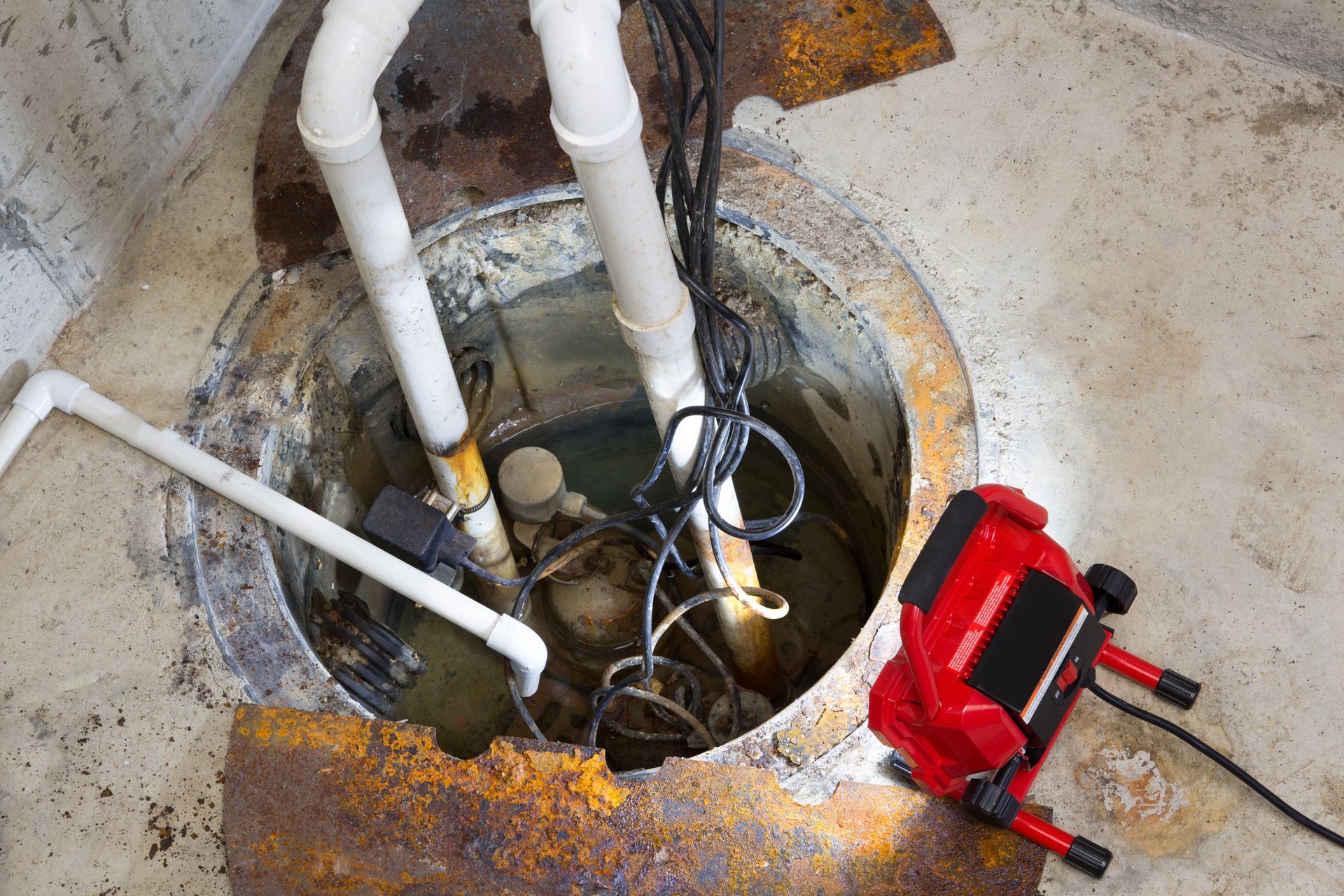
- Test the pump by slowly adding water to the pit.
- Listen for short-cycling or strain; both may indicate a blockage.
- Inspect and clear the exterior outlet and any extensions.
- Confirm power and consider a battery backup for storm-related outages.
- Keep downspouts extended so they don’t dump meltwater back toward your foundation.
Should you unplug your sump pump in winter?
No—keep it plugged in. Winter thaws and rain-on-snow events are common in London, Ingersoll, St. Marys, and Strathroy. Unplugging leaves your basement vulnerable when temperatures bounce above freezing and groundwater rises.
Professional fixes that make a difference
DryBasements.com Ltd installs and services sump pump systems designed for Ontario winters. Our solutions address both performance and longevity:
- Discharge line redesign and winterization: Re-sloping, upsizing, burying near the house, and adding freeze-relief fittings.
- High-efficiency sump pumps and battery backups: Keep water moving during power cuts and cold snaps.
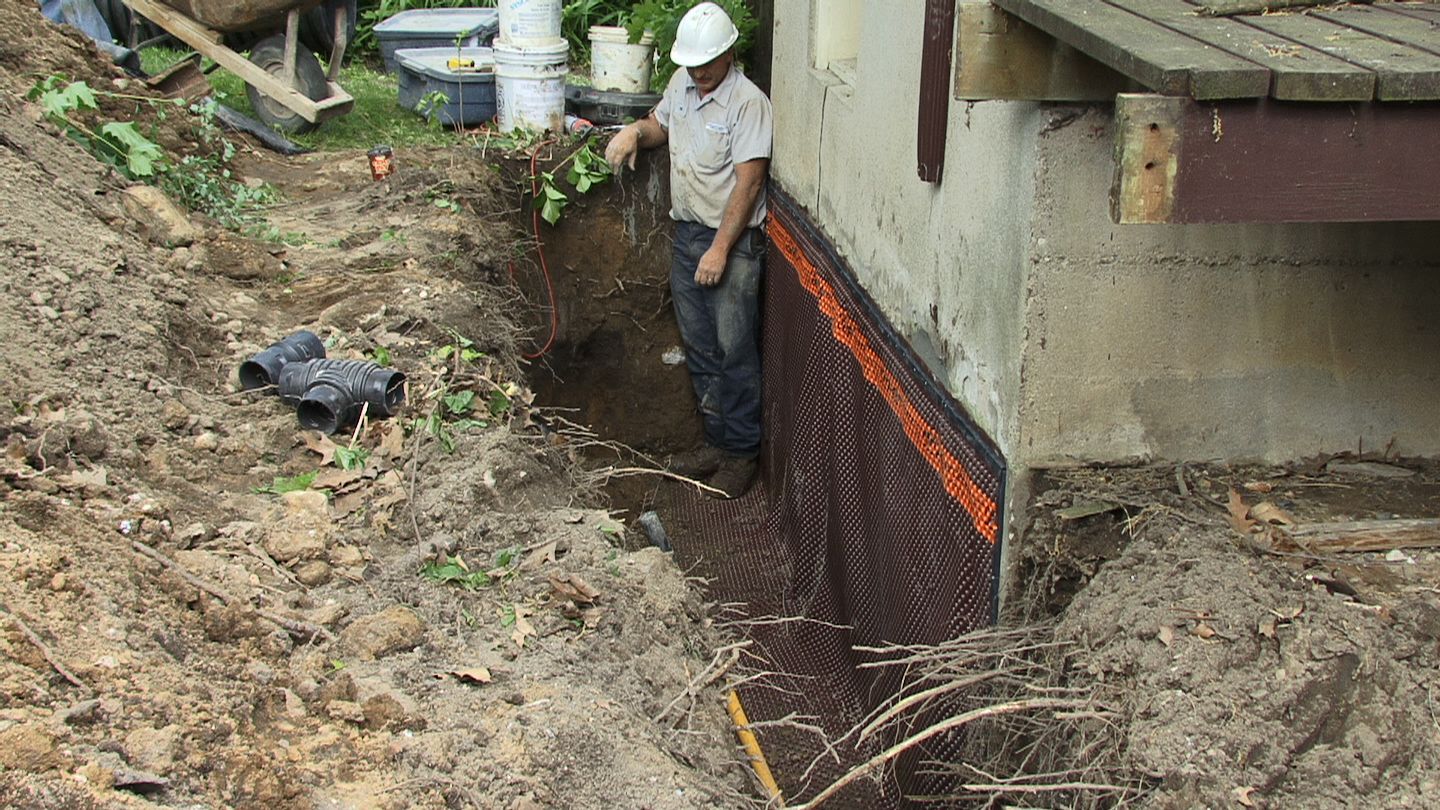
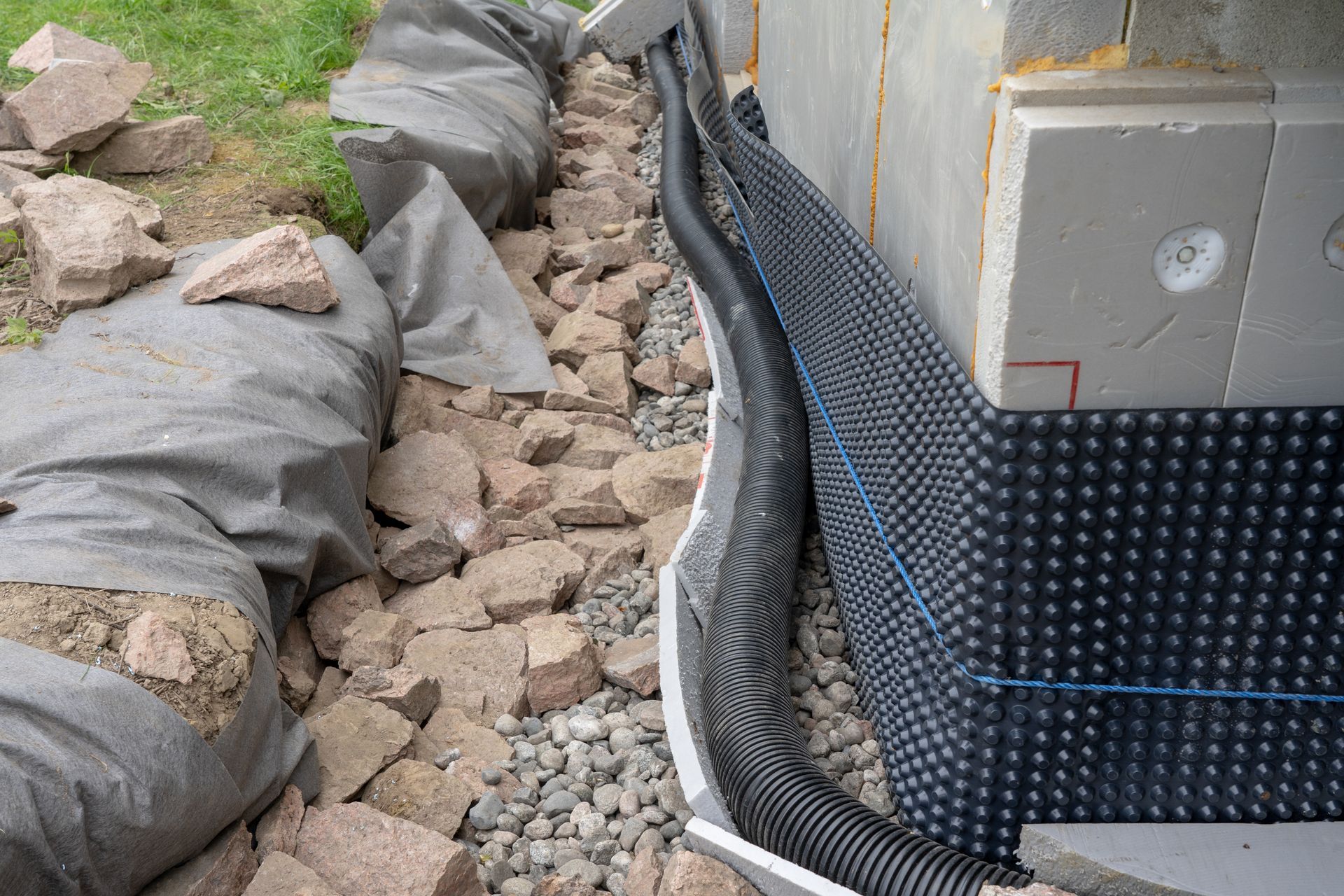
- Internal drainage and weeping tile improvements: Reduce hydrostatic pressure so your system doesn’t run continuously.
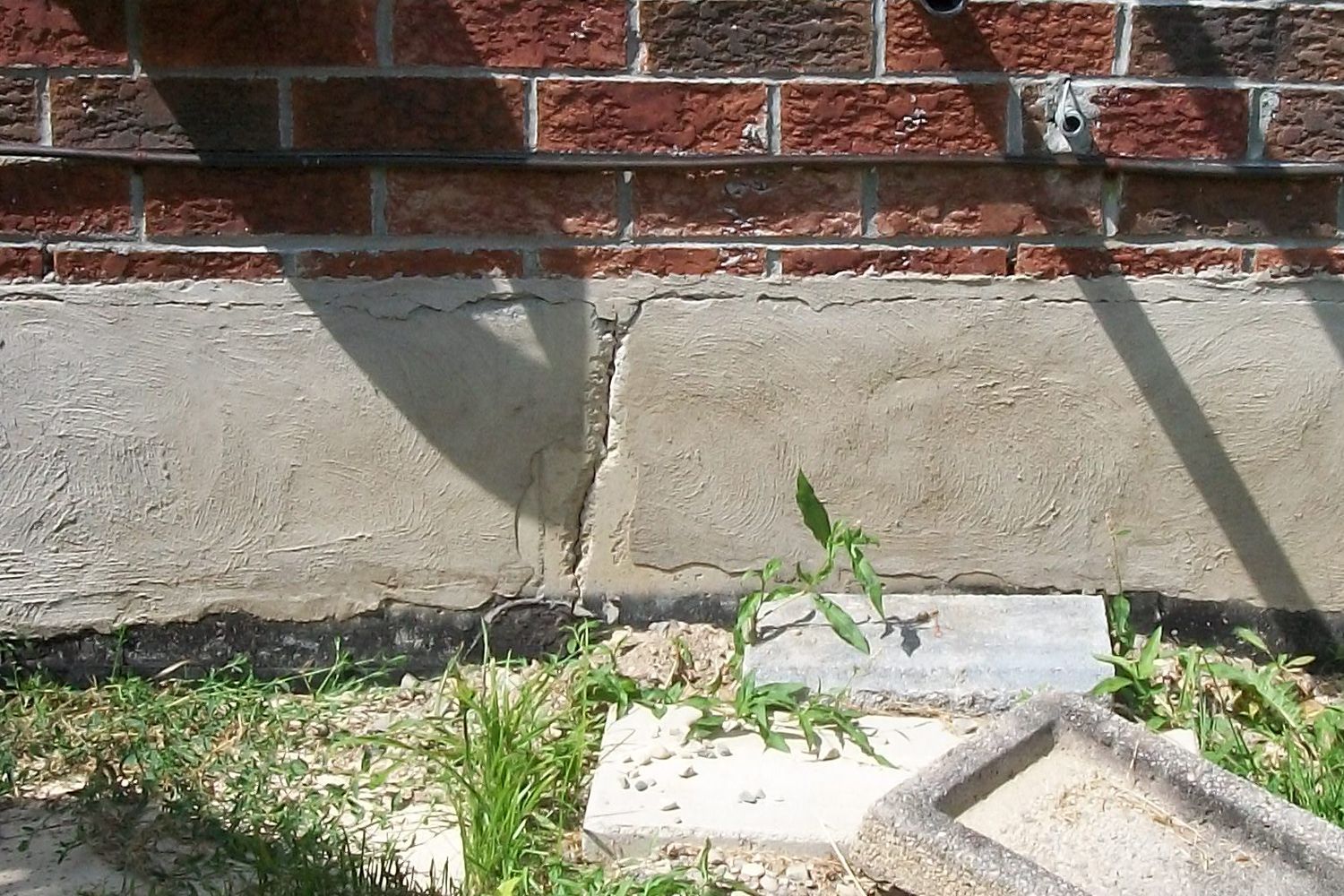
- Foundation and crack repair: Freeze–thaw cycles can worsen cracks; we seal and stabilize to keep meltwater out.
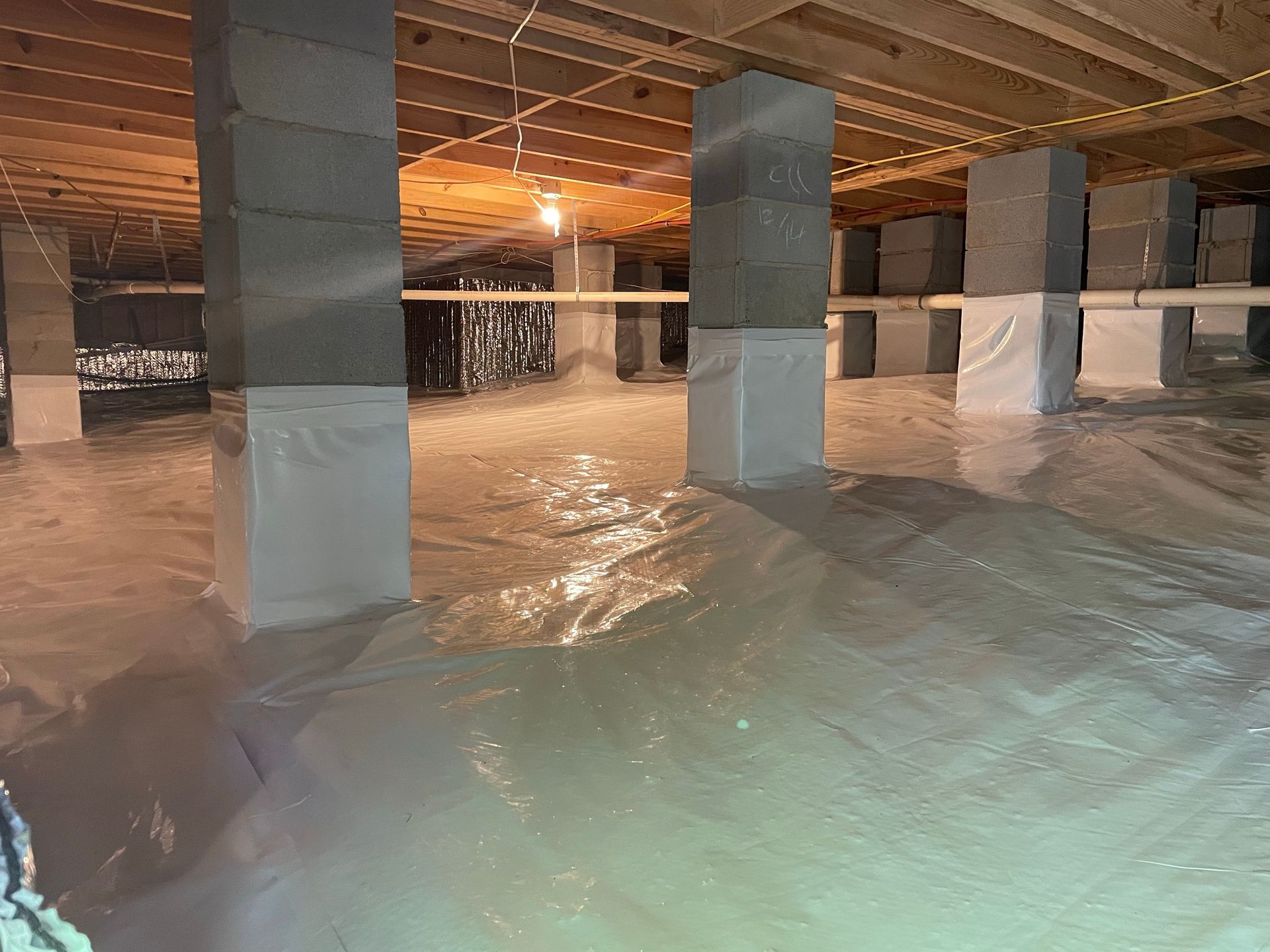
- Window wells and crawl space upgrades: Manage surface water, moisture, and indoor air quality—even in mid-winter.
Local insight you can use this January
- After a heavy snow in Tillsonburg, Simcoe, or New Hamburg, clear a path for discharge water so it doesn’t refreeze across sidewalks or back toward the house.
- If you hear your pump cycling but don’t see water exiting outdoors, call promptly—a frozen line can burn out a motor.
- Planning a renovation in the spring? Winter is a great time to assess your basement’s moisture history and book improvements ahead of the rush.
Protect your basement before the next cold snap
If you suspect a frozen discharge line—or want to prevent one—schedule a winter sump system inspection with DryBasements.com Ltd. Since 1990, we’ve kept basements dry across London, Kitchener-Waterloo, Cambridge, Brantford, Woodstock, St. Thomas, Stratford, and nearby communities. Visit drybasements.com to book your assessment and get a reliable, Ontario-ready solution for your home.