Spring Thaw Checklist: Weeping Tile and Internal Drainage Questions
March in Southwestern Ontario is a turning point. As the snowpack melts and spring rain arrives, the ground around your foundation can become saturated fast. In communities like Woodstock, London, Kitchener, Waterloo, Cambridge, Brantford, Stratford, and St. Thomas, that “spring thaw” pressure is one of the most common triggers for basement leaks, sump pump overwork, and musty air.
If you’re noticing damp corners, water staining, or that familiar earthy smell, now is the ideal time to ask the right questions about weeping tile and internal drainage before April showers hit. Below is a practical spring thaw checklist from DryBasements.com Ltd to help you assess risk, understand your options, and decide when to book a professional inspection.
Why Spring Thaw Stresses Weeping Tile And Basements
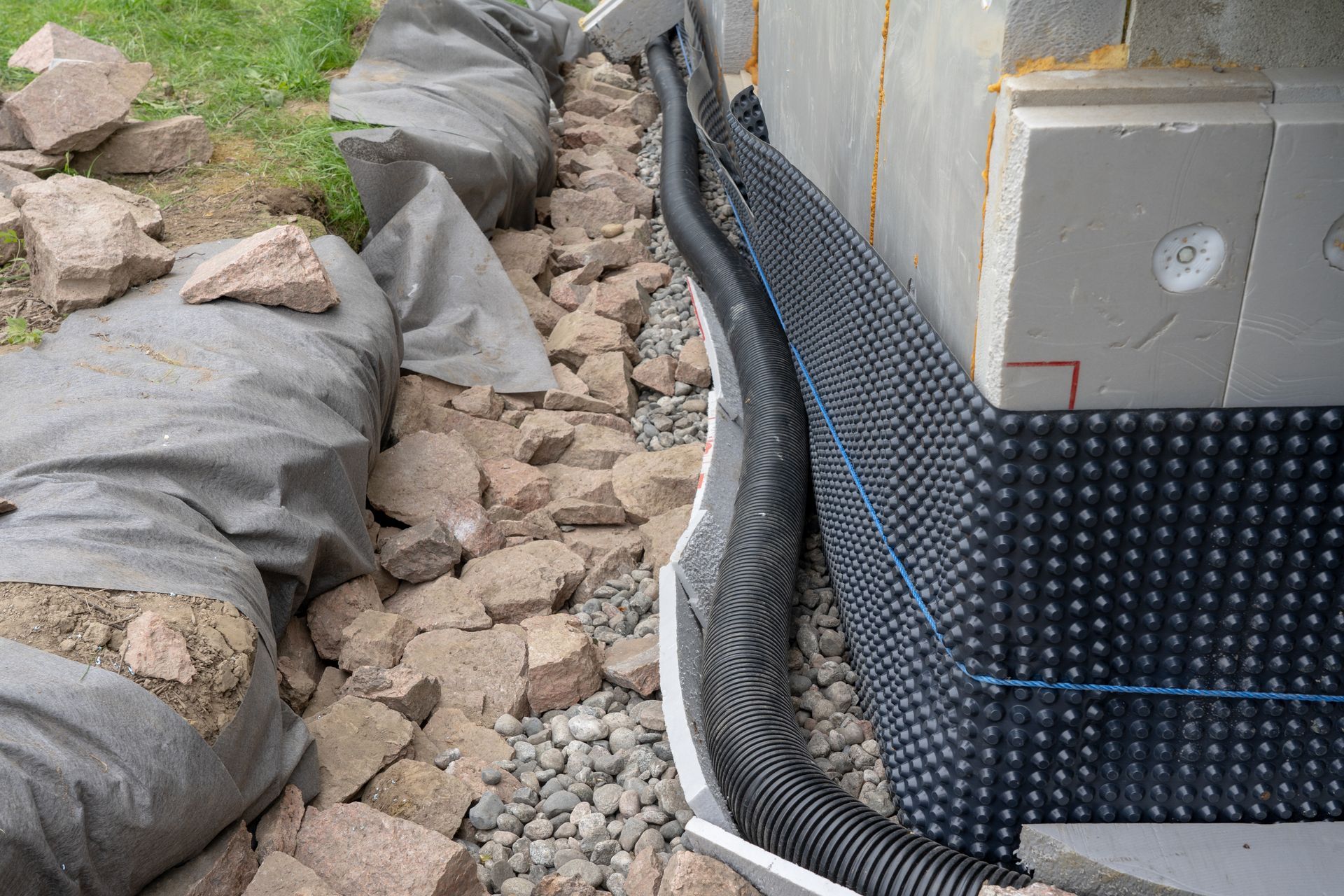
When frost leaves the ground, melting snow and rainwater move downward and outward toward the foundation. If your exterior drainage is restricted, aging, or improperly connected, water can build up along the footing and look for the easiest way inside: cracks, cove joints, and porous concrete.
In older neighbourhoods across London, Brantford, and Woodstock, we also see drainage issues tied to aging weeping tile and outdated connections that may not handle modern water volumes. Even newer homes in Kitchener-Waterloo and Cambridge can experience infiltration if grading, downspouts, or sump discharge are poorly managed.
Spring Thaw Checklist: Quick Exterior Items To Check
Before you assume it’s a “foundation crack problem,” do a quick walkaround while the melt is active.
Look for:
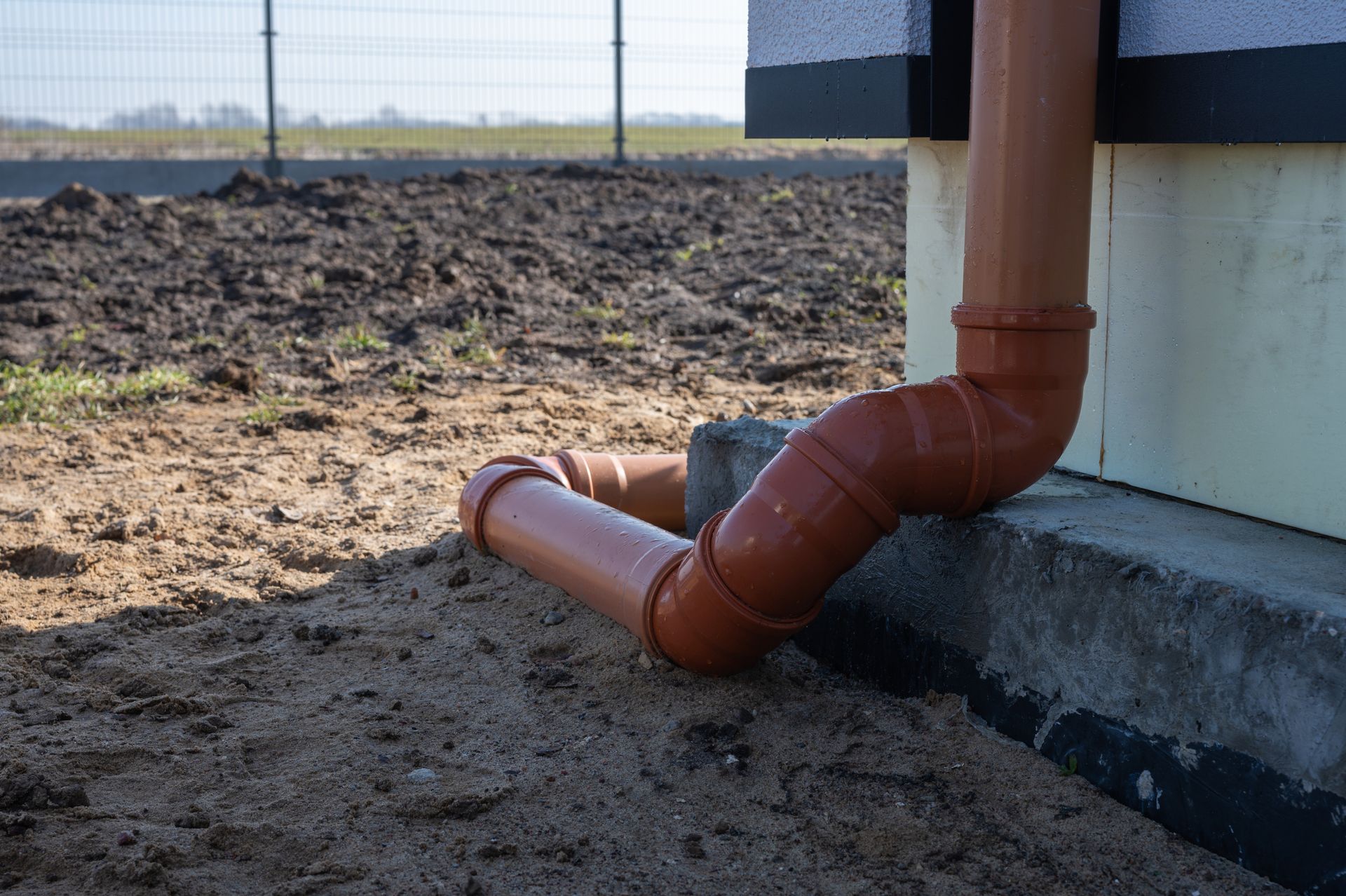
- Downspouts discharging too close to the foundation (they should extend well away)
- Low spots or negative grading that funnels water toward the home
- Standing water near window wells or along the footing line
- Ice or soil heave damage around patios, steps, or porches that may open gaps
- Evidence of past excavation settling (sunken backfill can create a trough for water)
If these items look off, it doesn’t automatically mean you need exterior excavation, but it does increase the odds your weeping tile system is being overwhelmed.
Weeping Tile Questions Homeowners Should Ask In March
Homeowners often ask us: “Do I need to replace my weeping tile?” The better question is: “Is my weeping tile functioning the way it should during peak water season?”
Consider asking:
- Has the weeping tile been inspected or scoped, or are we guessing?
- Is there a blockage from silt, root intrusion, or crushed pipe?
- Is the drainage system directing water to a sump pit or to an appropriate outlet?
- Do I have signs of intermittent leakage (only during thaw/rain) that point to drainage overload?
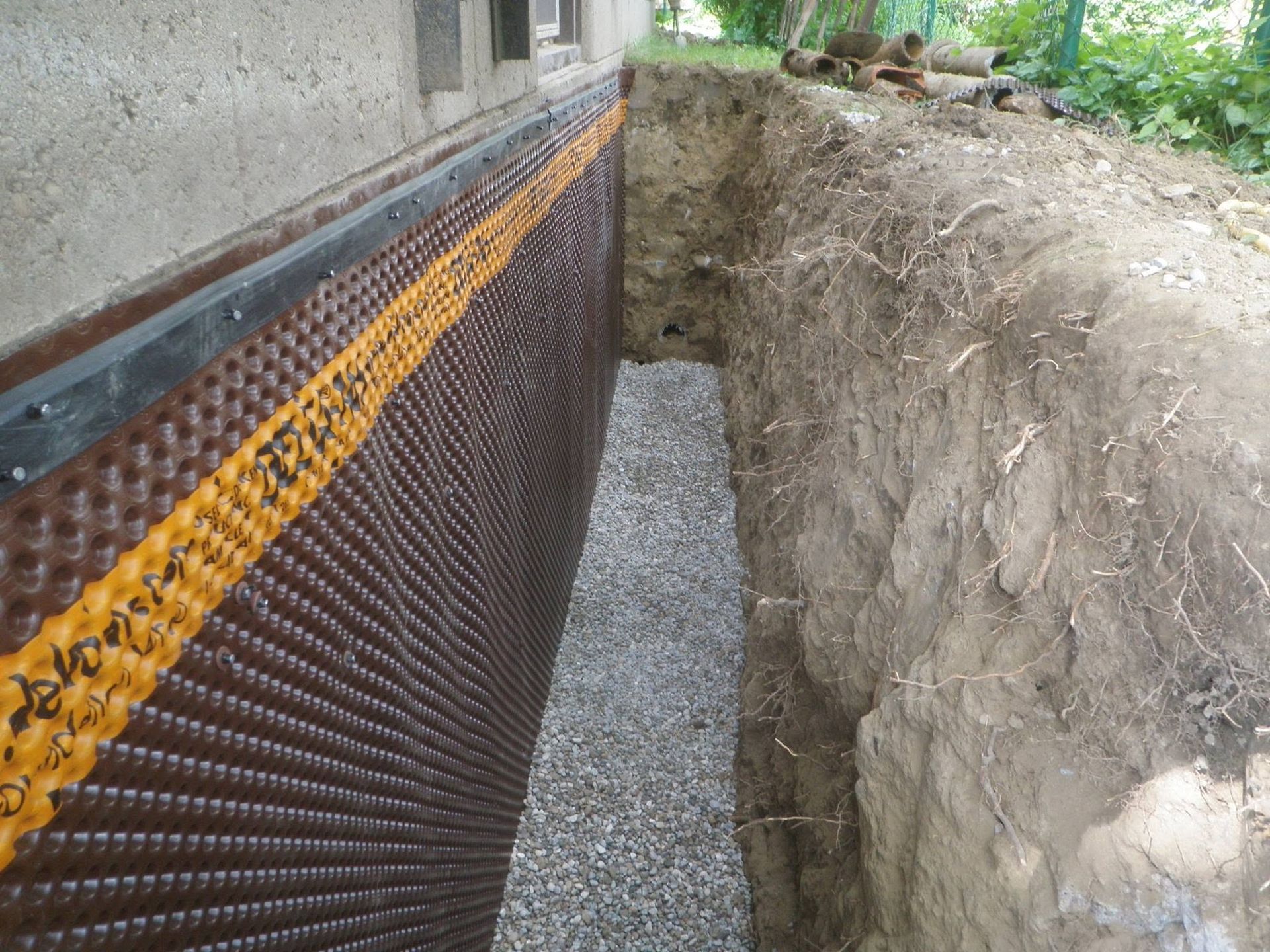
At DryBasements.com Ltd, exterior crack repair often includes excavation and weeping tile inspection, plus weeper flushing and video scoping when needed. That diagnostic step matters because it helps you avoid temporary patchwork and focus on the real cause of water entry.
People Also Ask: What Is The Difference Between Weeping Tile And An Internal Drainage System?
This is a common PAA question because both systems manage water, but they do it in different places.
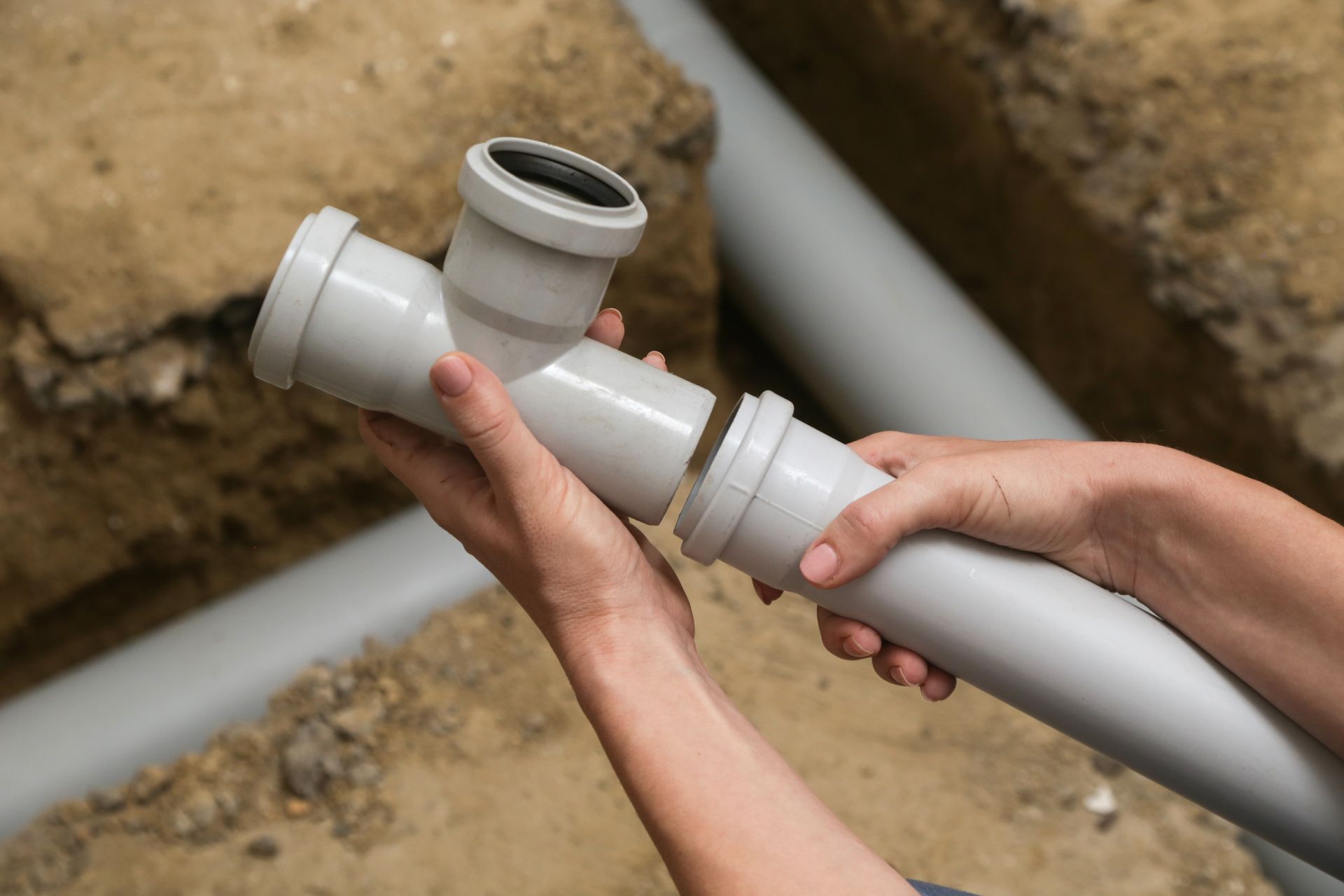
Weeping tile (typically outside) is designed to collect groundwater at the footing and move it away before it enters your basement.
An internal drainage system (inside) manages water that has already reached the foundation area, directing it along an interior perimeter drain to a sump pump for discharge.
If your home in Woodstock or London has persistent seepage at the cove joint (where the wall meets the floor), internal drainage can be an effective, clean solution. If the problem is exterior cracks or compromised waterproofing, exterior excavation and crack repair may be the long-term fix. In many cases, the right approach depends on the home’s age, soil conditions, and how the water is behaving during thaw cycles.
Internal Drainage And Sump Pump Questions To Ask Before April Rains
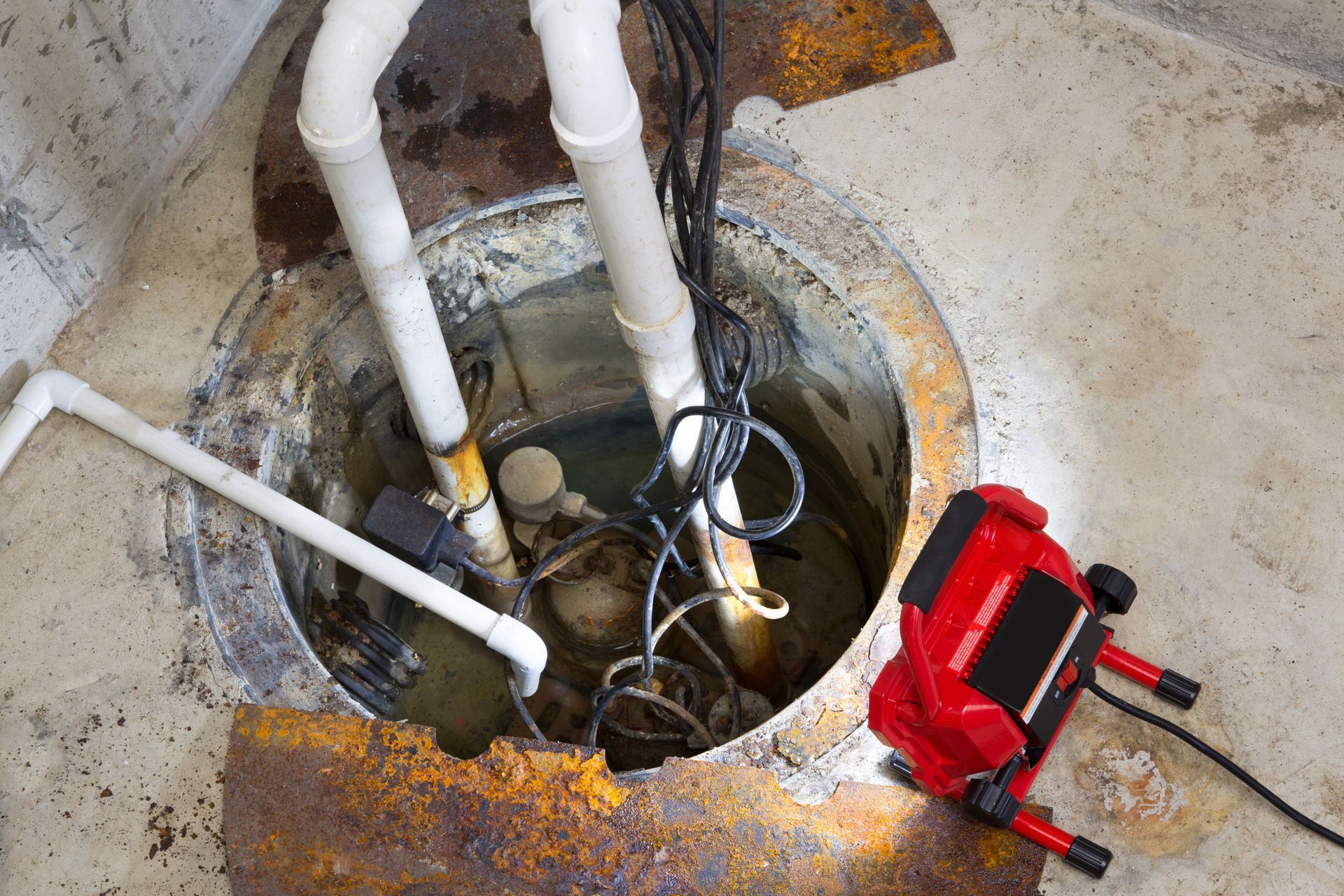
March is also the time to pressure-test your sump system, because pump failures tend to happen when demand spikes.
Key questions:
- Does the sump pump turn on and discharge quickly, or does it struggle?
- Is there a backup system in case of power outage during a storm?
- Is the discharge line protected from freezing and routed away from the foundation?
- Do you see dampness along the slab edge that suggests perimeter drainage is needed?
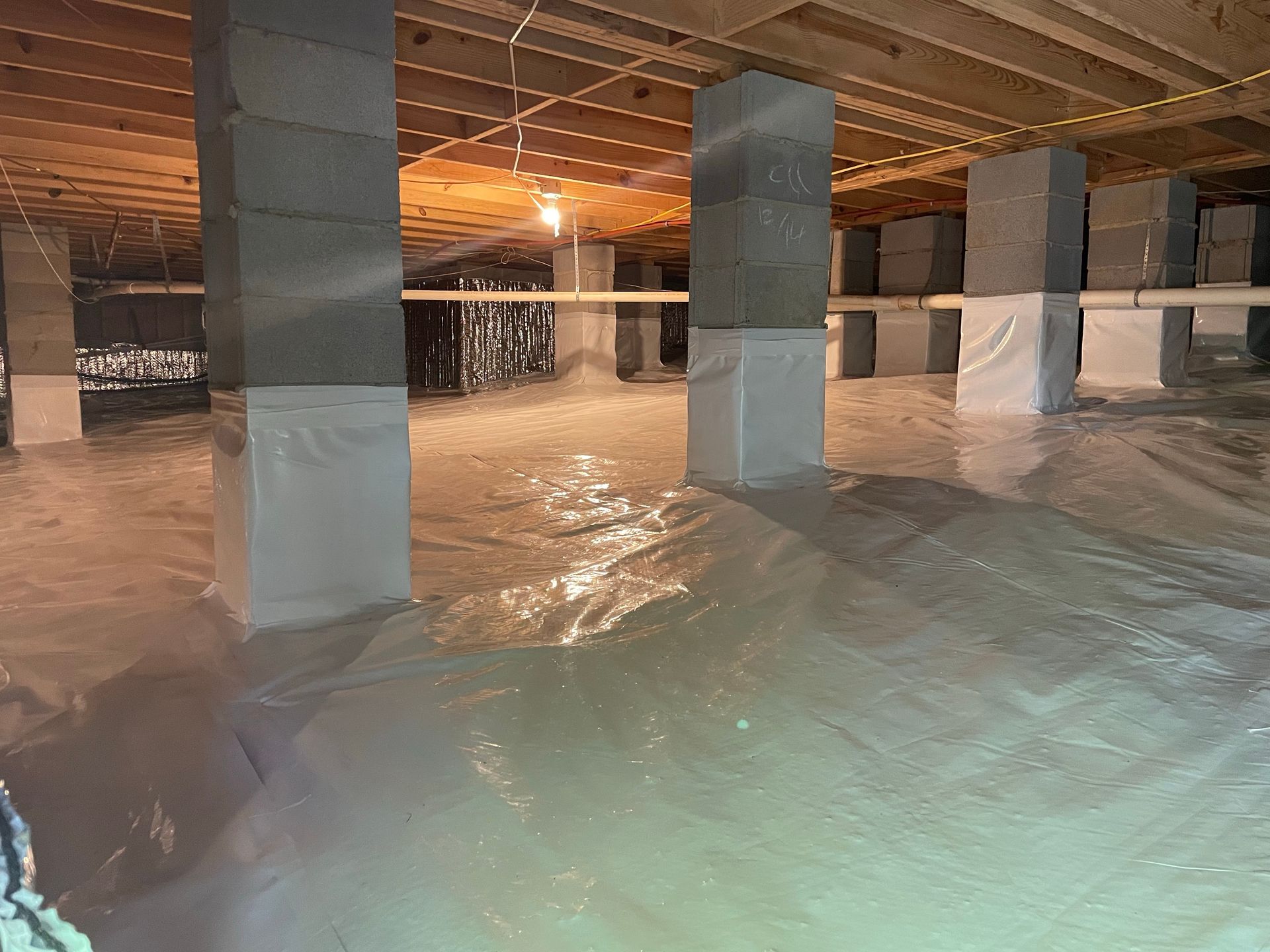
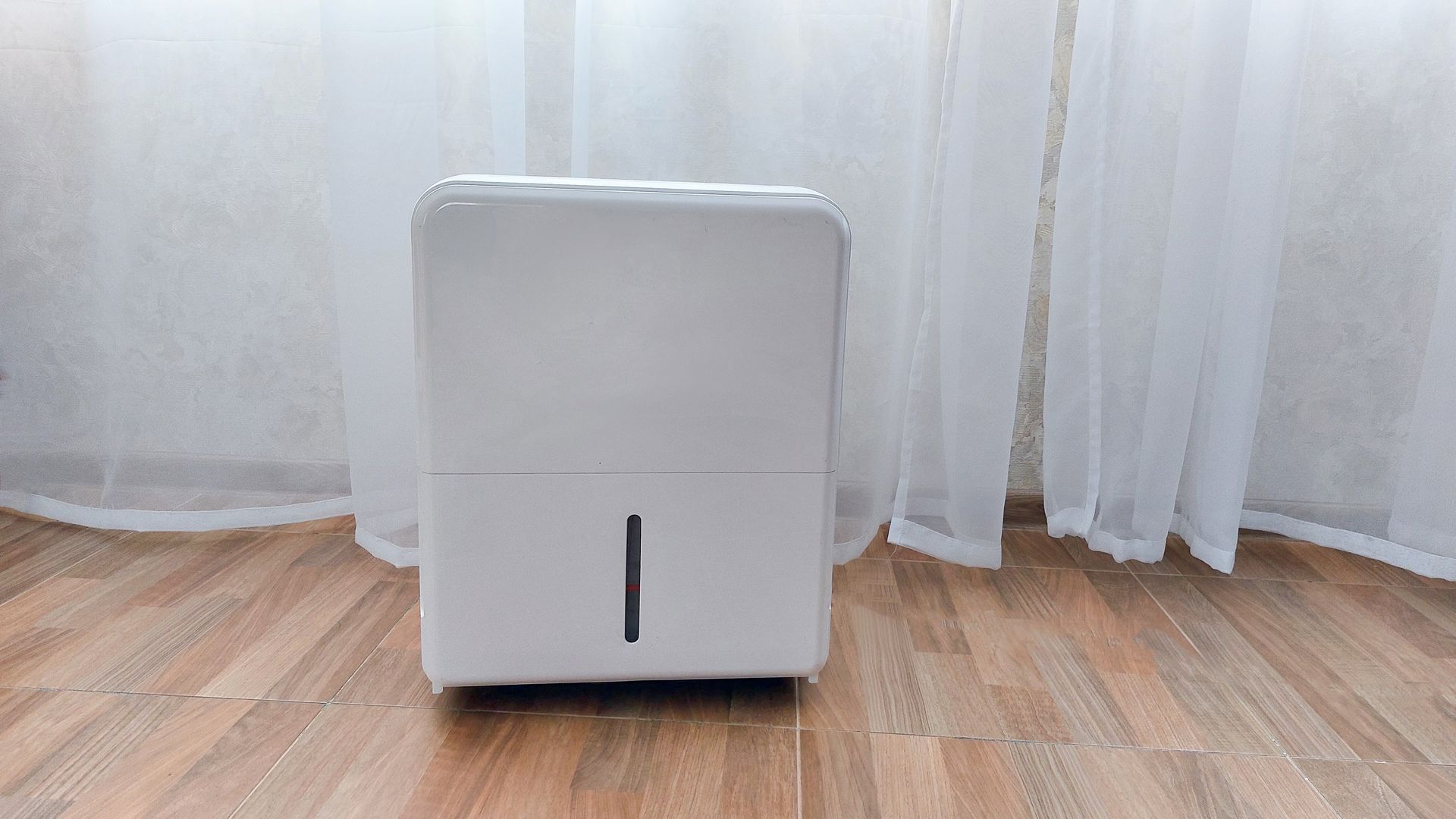
If your basement air feels humid or smells musty after the thaw, it’s also worth discussing basement dehumidification to protect finishes, storage, and indoor air quality.
When To Call A Basement Waterproofing Pro In Woodstock And Nearby
Book an assessment if you notice any of the following in March:
- Active water seepage during melt or rainfall
- White powdery staining (efflorescence) on foundation walls
- Repeatedly wet floor edges or lifting flooring
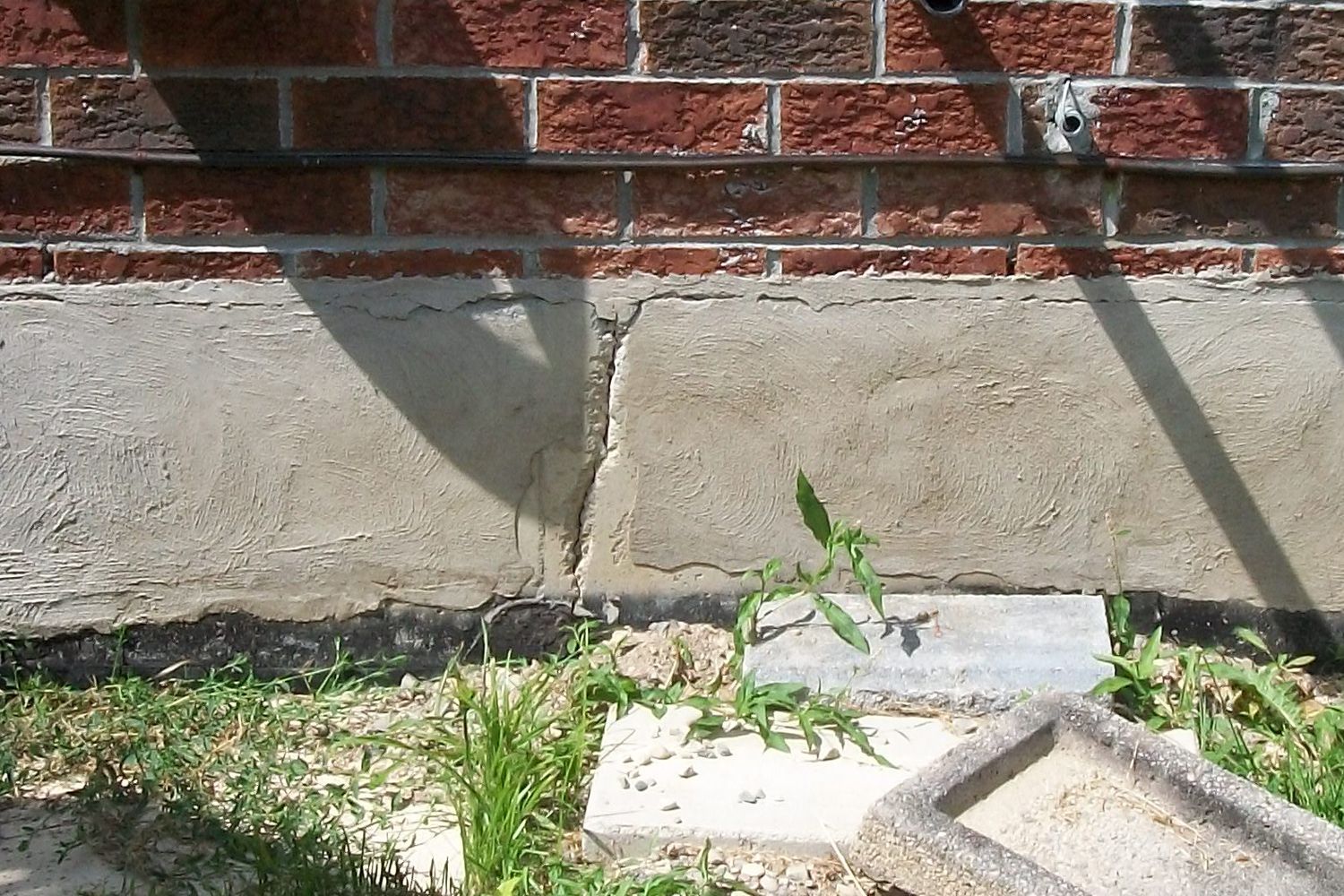
- Bowed walls or widening cracks
- Window well leaks or pooling
Plan A Dry Spring With DryBasements.com Ltd
Spring thaw issues rarely improve on their own, and quick DIY sealants often fail when hydrostatic pressure returns. If you’re in Woodstock, London, Kitchener, Cambridge, Waterloo, Brantford, Stratford, St. Thomas, or surrounding areas like Ingersoll, Tillsonburg, Aylmer, or New Hamburg, DryBasements.com Ltd can help you pinpoint the source and recommend the most cost-effective, permanent solution.
Call DryBasements.com Ltd or request an inspection through DryBasements.com to review your weeping tile, internal drainage options, sump pump performance, and any foundation cracks before spring rain season peaks.