Radon Awareness: Importance of Testing in Ontario Homes
Radon is an invisible, odorless, radioactive gas that poses significant health risks if present in homes at high levels. In Ontario, where soil composition can result in varying radon levels, understanding and mitigating this threat is crucial for homeowners. At DryBasements.com Ltd., we are committed to raising radon awareness and helping you protect your family from its potential dangers. This guide will explore what radon is, why testing is crucial, and how you can ensure your home is safe. Proactive radon testing and mitigation can make your home a safer living environment.
What is Radon?
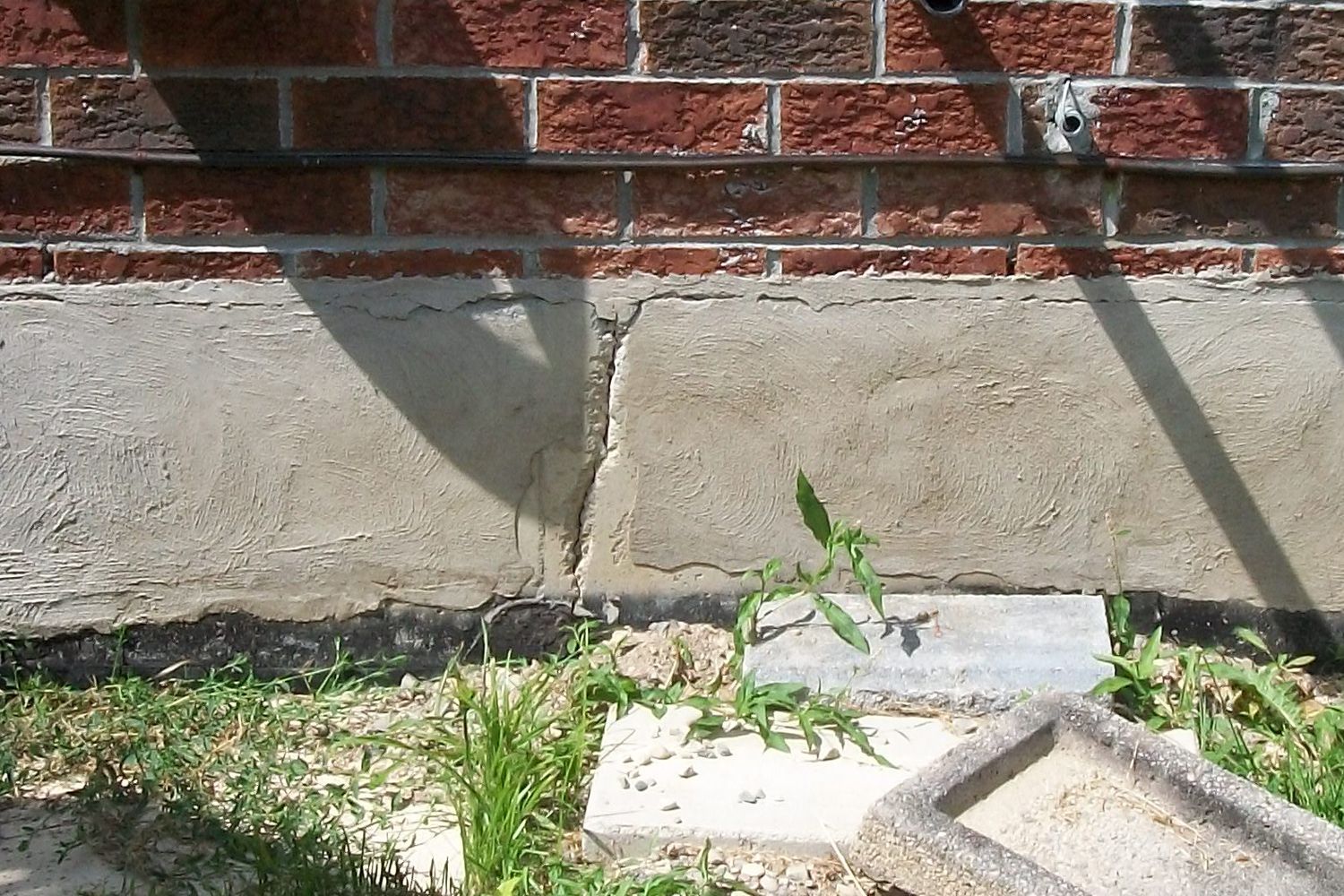
Radon is a naturally occurring gas resulting from the decay of uranium in soil, rock, and water. It can seep into homes through cracks in foundations, floors, and walls, accumulating to unhealthy levels. Once inhaled, radon particles can damage lung tissues, increasing the risk of lung cancer. Radon is responsible for approximately 16% of lung cancer deaths in Canada, making awareness and testing vital for all homeowners.
Why Radon Testing is Crucial
Health Risks
The primary risk associated with radon exposure is lung cancer. As radon decays, it releases tiny radioactive particles that, when inhaled, can damage lung cells. Prolonged exposure to elevated radon levels significantly increases the risk of lung cancer, especially for smokers. Health Canada recommends testing and mitigating radon levels to below 200 becquerels per cubic meter (Bq/m³) to minimize these health risks.
Prevalence in Ontario
Ontario’s diverse geology means that radon levels can vary significantly across the province. Some areas experience higher radon levels due to certain soil and rock compositions, making homes more susceptible to radon infiltration. Testing is the only way to know if radon is present at dangerous levels in your home.
Cost-Effective Mitigation
Identifying and addressing radon issues early on is much more cost-effective than dealing with potential health consequences later. Simple mitigation solutions can significantly reduce radon levels, protecting your family’s health.
When to Test for Radon
Testing for radon is advisable for all homeowners, regardless of the age or style of the home. However, certain circumstances may make testing particularly crucial:
1. Post-Construction
If your home has recently undergone construction or renovations, it’s wise to test for radon. Changes in your home’s structure can affect radon levels.
2. New Home Purchases
Before purchasing a new home, consider radon testing to ensure the property meets safety standards.
3. Seasonal Testing
Radon levels can fluctuate with the seasons, often higher in the winter when homes are sealed against the cold. Testing over a three-month period during winter provides a more accurate average radon level.
How to Test for Radon
1. DIY Testing Kits
Radon testing kits are available for purchase at hardware stores or online. These kits typically come in short-term and long-term options. While short-term tests provide quick results, long-term tests (lasting at least three months) offer a more accurate average level.
2. Professional Testing
For more comprehensive testing, consider hiring a professional. Professional assessments ensure accurate results and can include detailed advice on mitigation strategies if needed.
3. Understanding Test Results
Once testing is complete, understanding the results is essential to making informed decisions. Health Canada recommends mitigation for any home with radon levels exceeding 200 Bq/m³. If your test results are above this level, it’s crucial to explore mitigation options.
Radon Mitigation Strategies
If testing reveals high radon levels, several effective mitigation strategies can help reduce the concentration in your home:
1. Sealing Entry Points
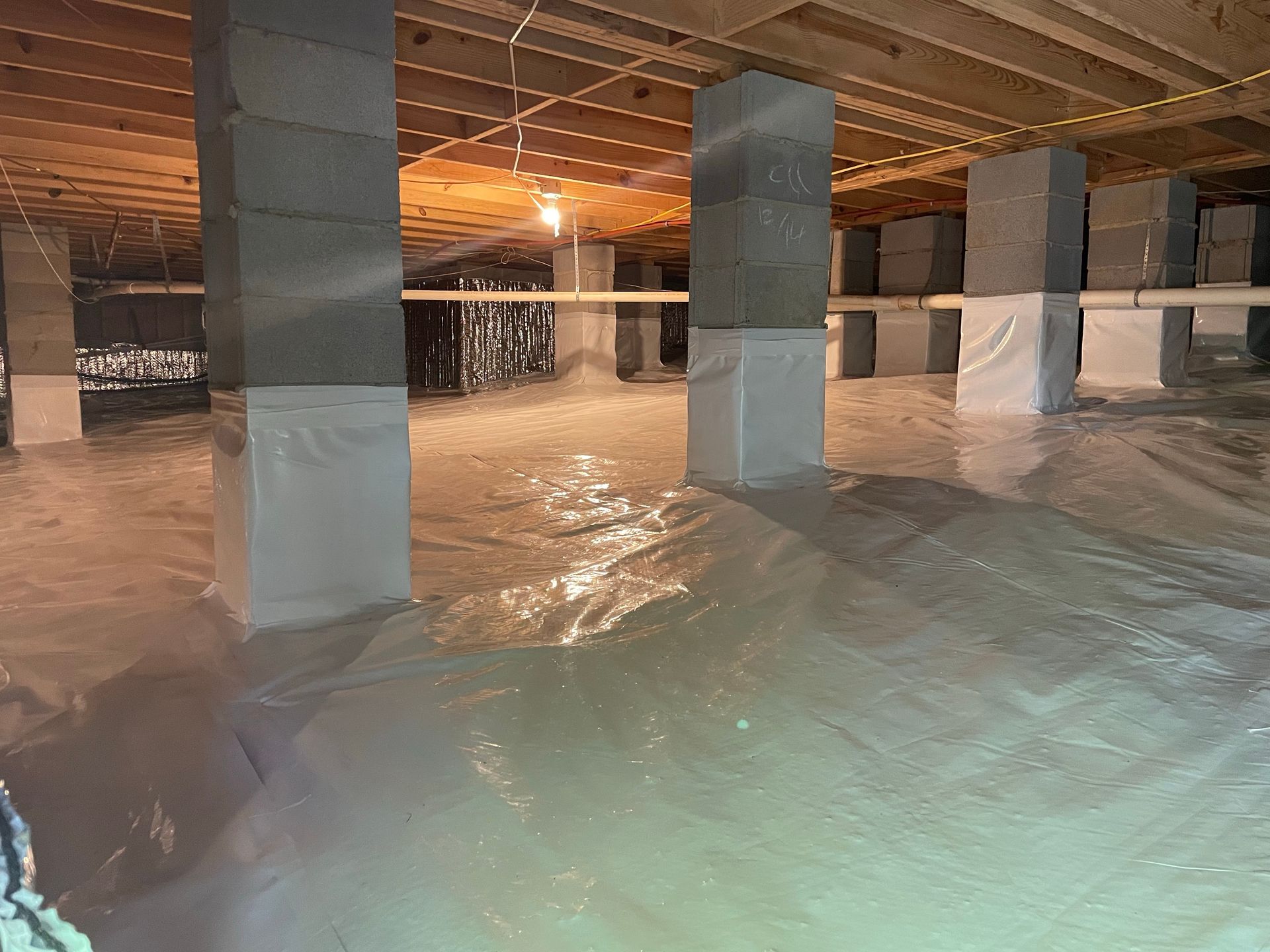
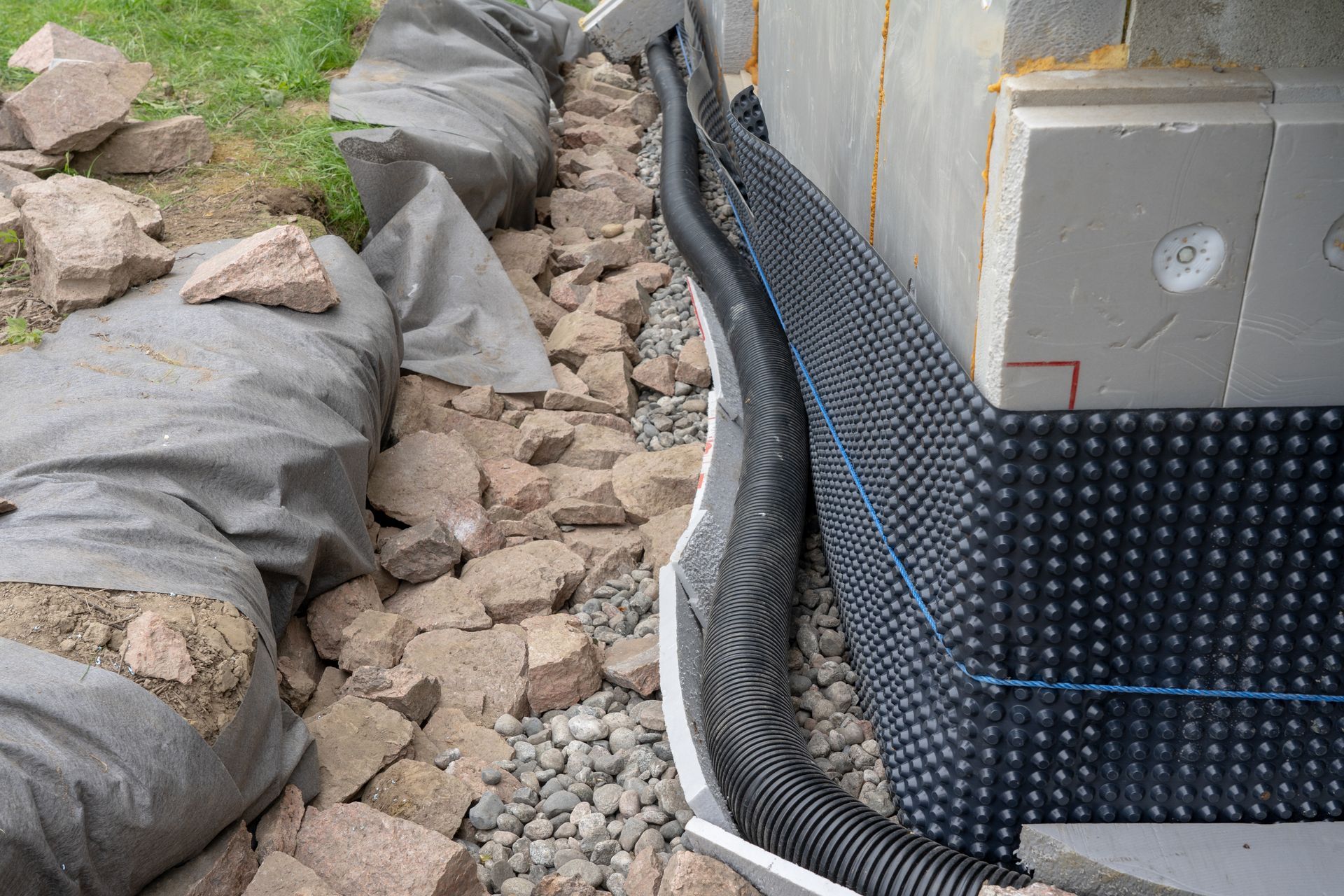
Sealing cracks and openings in walls and floors can help reduce radon entry points, lowering overall levels.
2. Sub-Slab Depressurization
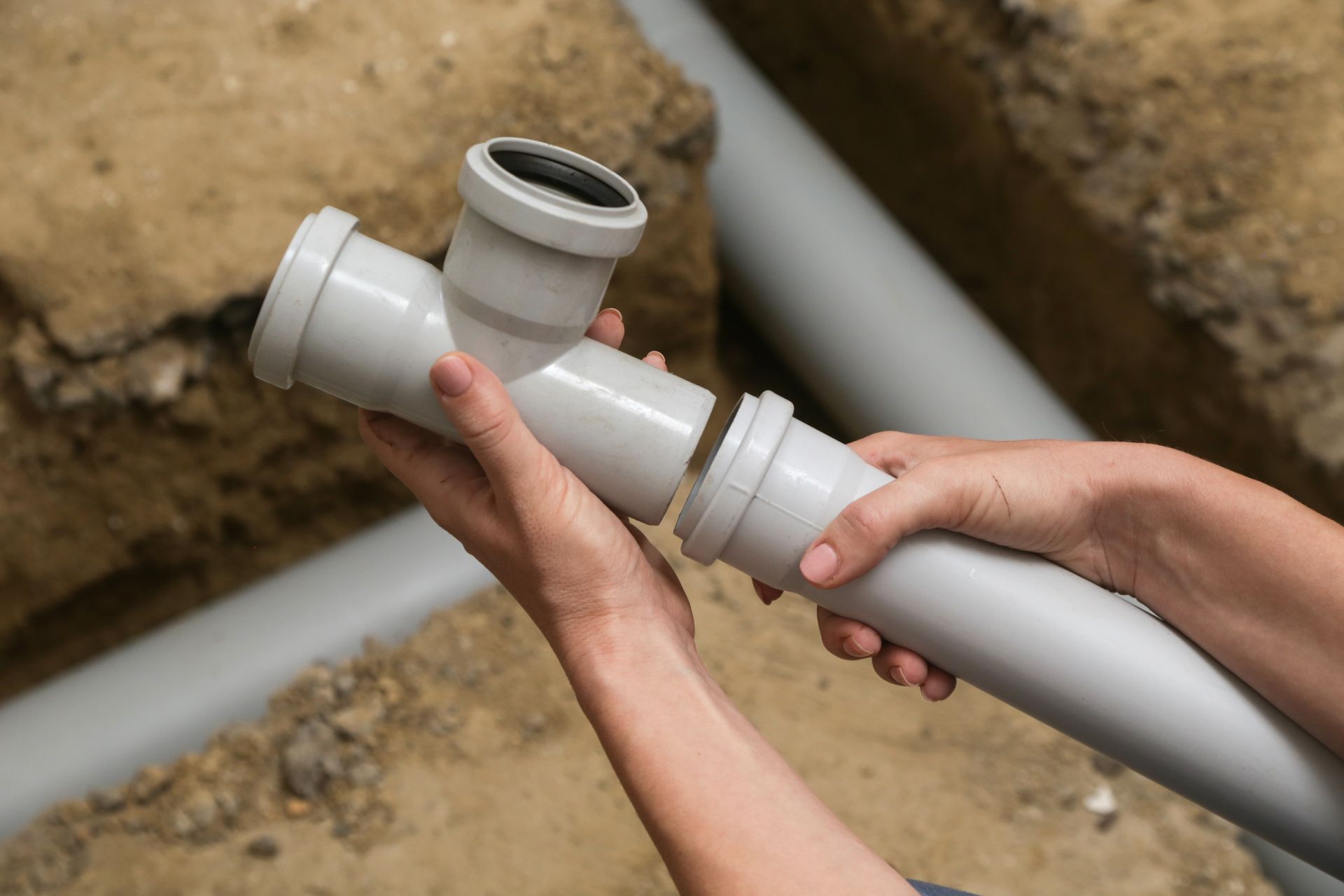
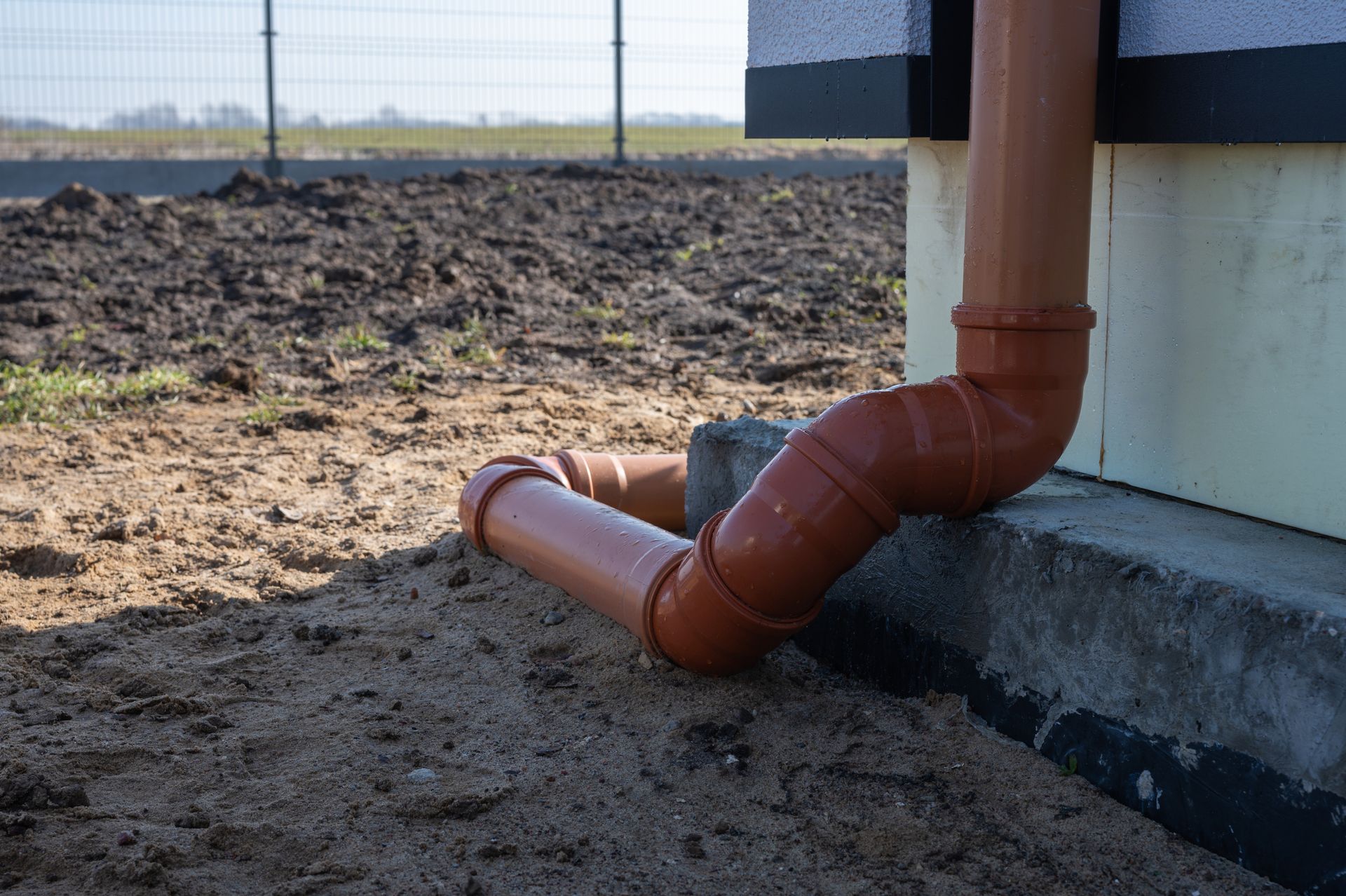
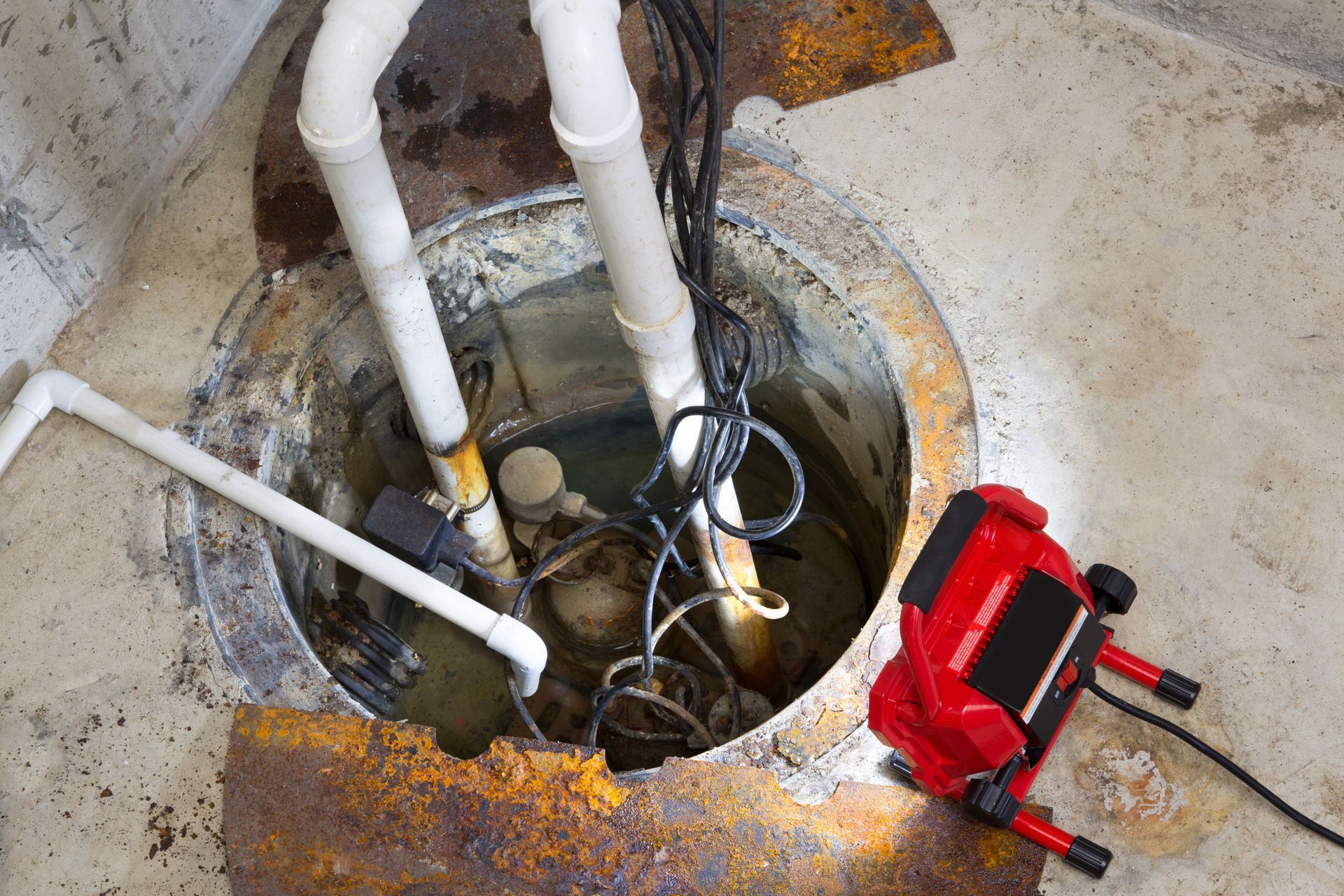
This is the most common and effective radon reduction technique. It involves inserting a pipe beneath the foundation that vents radon outdoors, ensuring it doesn’t accumulate inside the home.
3. Improving Ventilation
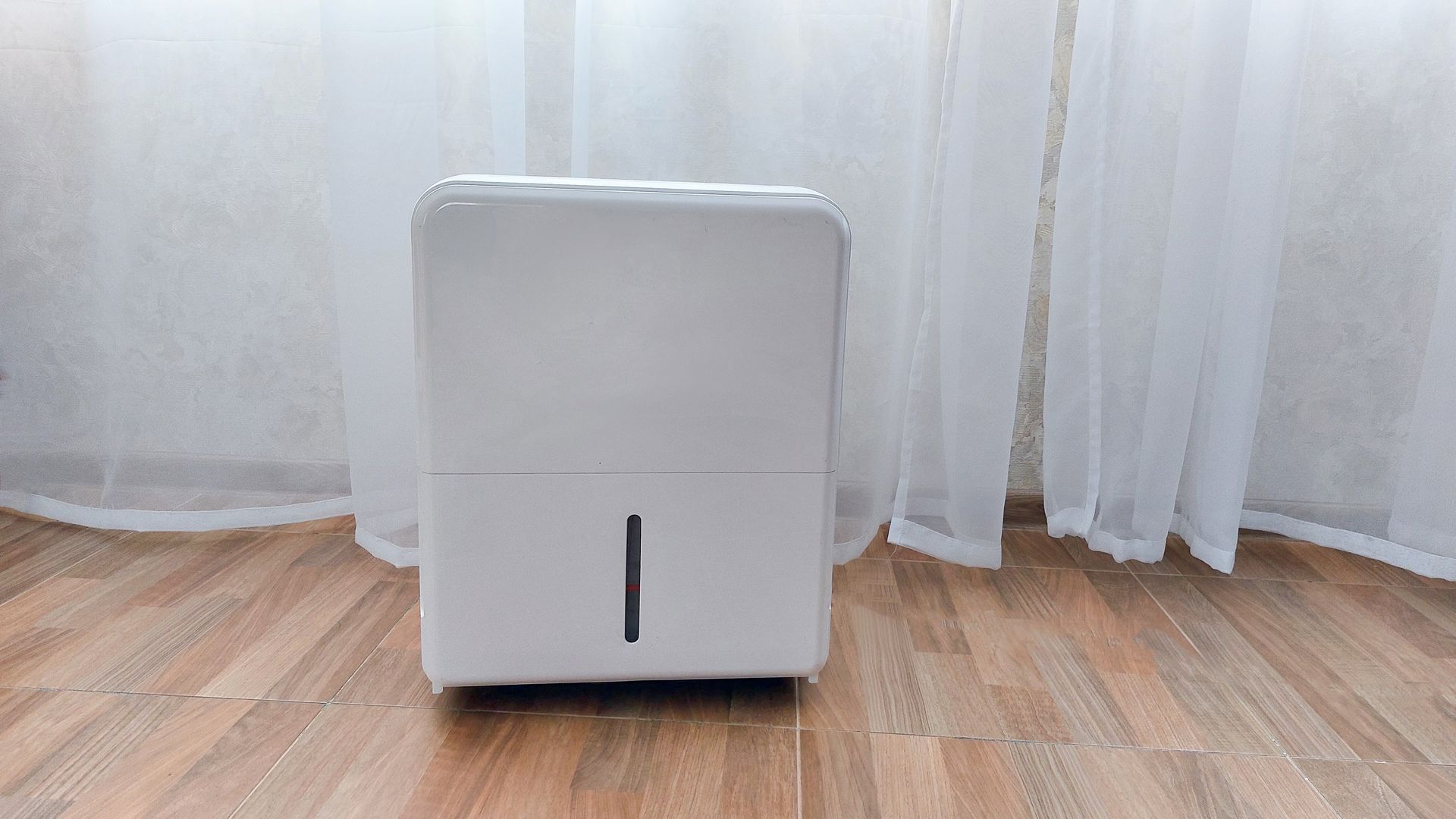
Increasing ventilation in basements and crawl spaces can help disperse radon gas, reducing its concentration.
4. Home Pressurization
Adjusting the home’s air pressure by using special fans can prevent radon from flowing into living spaces.
Preventive Measures
In addition to testing and mitigation, preventive measures can help maintain low radon levels:
1. Regular Monitoring
Periodic testing ensures radon levels remain low over time, especially after any home alterations.
2. Maintain Home Repairs
Ensure foundation cracks and other potential entry points are repaired promptly to minimize radon infiltration.
3. Professional Inspections
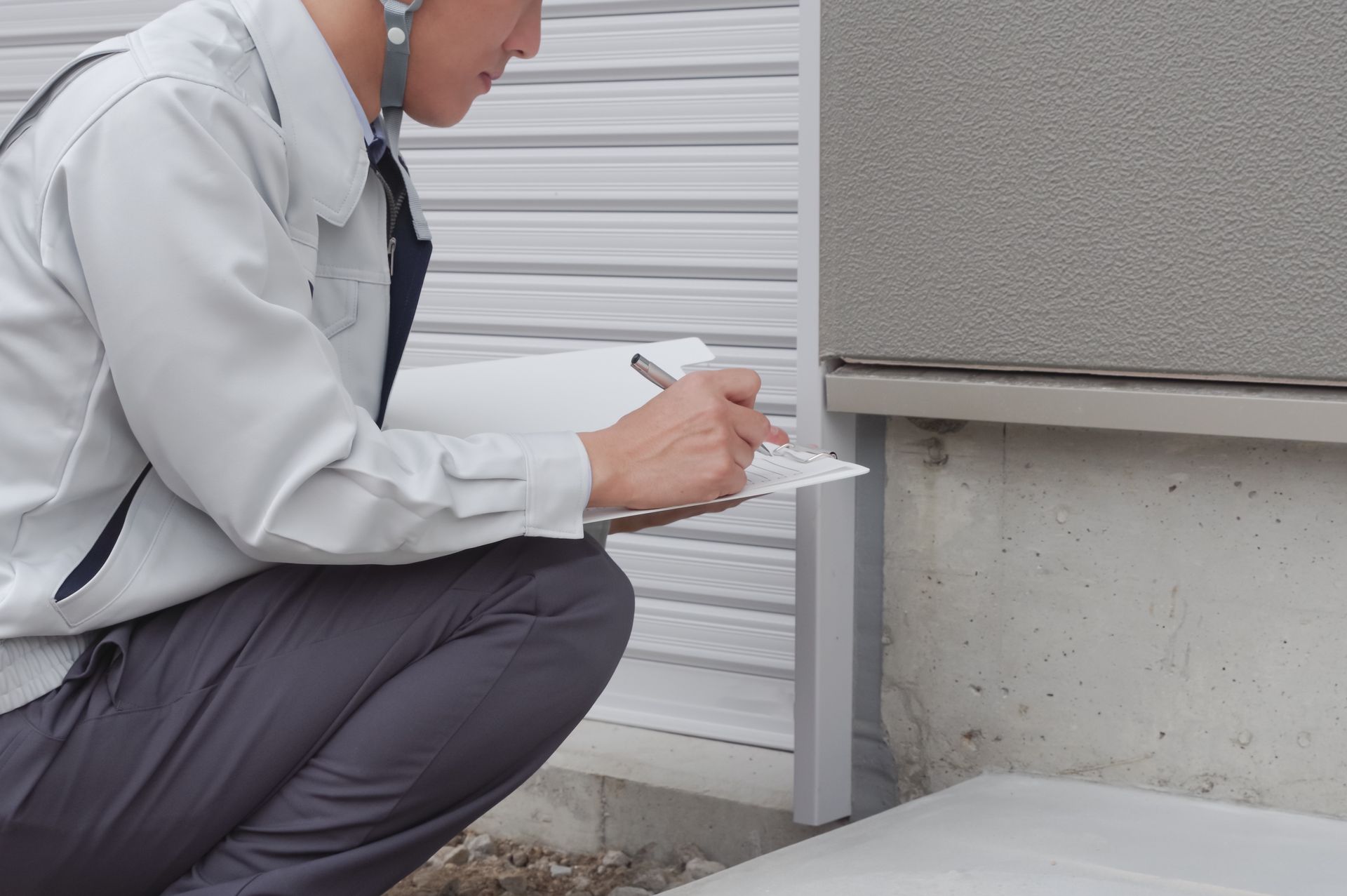
Schedule regular home inspections with a professional to identify potential radon issues early.
At DryBasements.com Ltd., we are dedicated to ensuring your home is safe from radon exposure. Our expert team offers professional radon testing and mitigation services tailored to your specific needs. Protect your family’s health by scheduling a radon assessment today. Contact us at (519) 473-0561 or email us at office@drybasements.com to learn more about our services and how we can help keep your home radon-free.