Emergency Preparedness: Protect Your Home from Spring Thaws
As winter recedes and temperatures rise, many homeowners in Ontario look forward to the promise of spring. However, the transition from winter to spring often brings a different set of challenges for homes, particularly the risk of flooding from spring thaws. Melting snow combined with spring rains can lead to water seeping into basements, causing significant damage. At DryBasements.com Ltd., we understand the importance of preparing your home for these seasonal changes. This comprehensive guide will provide you with practical tips and solutions to protect your home from spring thaws and ensure a safe, dry living environment.
Understanding the Risks of Spring Thaws
Spring thaws occur when the ground, previously frozen during the winter, begins to thaw under rising temperatures. This process can quickly saturate the soil, leading to runoff and increased water levels in local water bodies. When combined with spring rains, this creates a heightened risk of flooding, particularly in areas with poor drainage or low-lying properties.
1. Basement Flooding
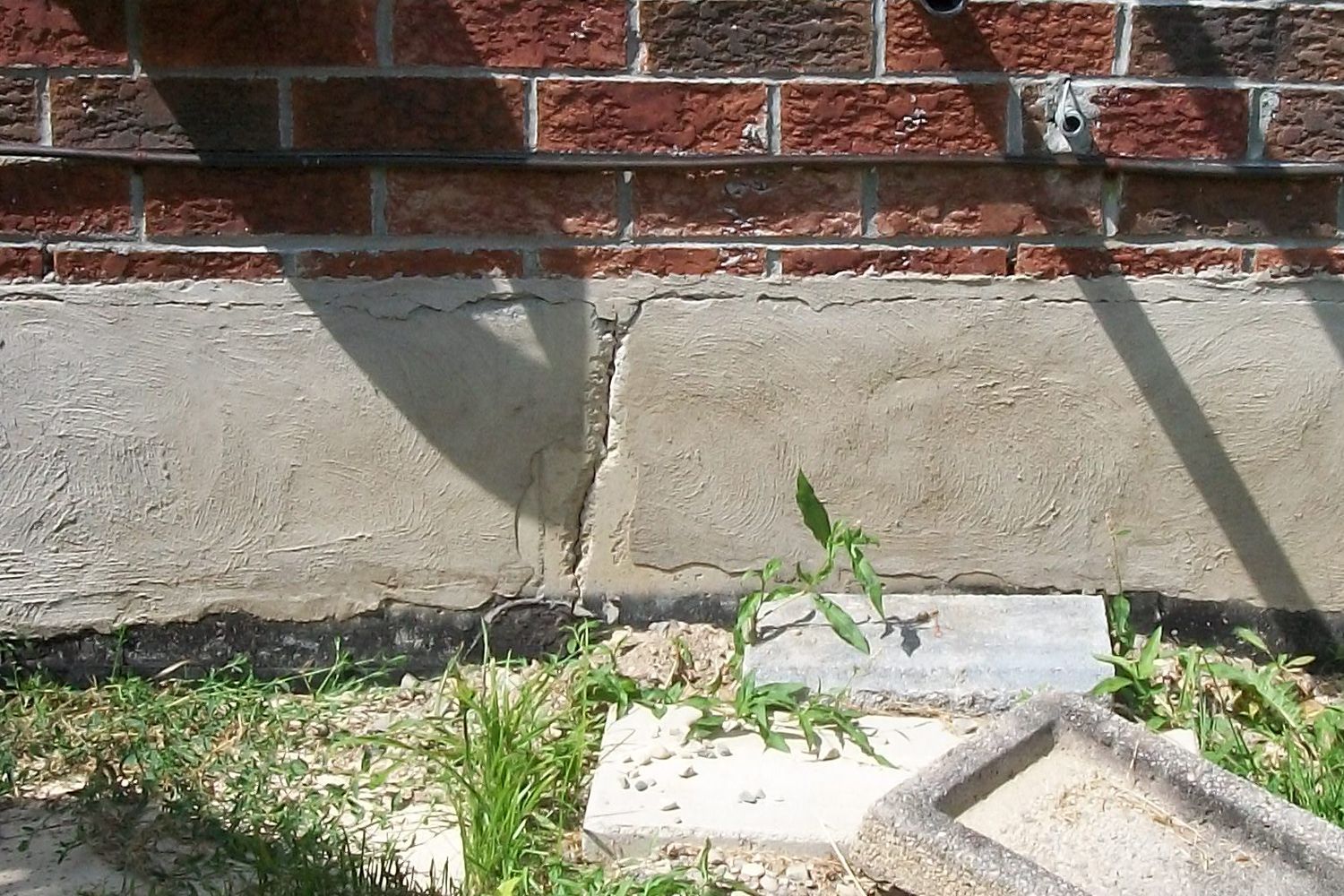
Water can easily seep into basements through cracks in the foundation or improperly sealed windows and doors. Basements with inadequate drainage systems are particularly vulnerable.
2. Foundation Damage
Excess water around the foundation can lead to hydrostatic pressure, causing cracks and structural damage over time.
3. Mold and Mildew Growth
Moisture from flooding can create the perfect environment for mold and mildew growth, posing health risks and leading to costly remediation efforts.
Preparing Your Home for Spring Thaws
1. Inspect and Maintain Gutters and Downspouts
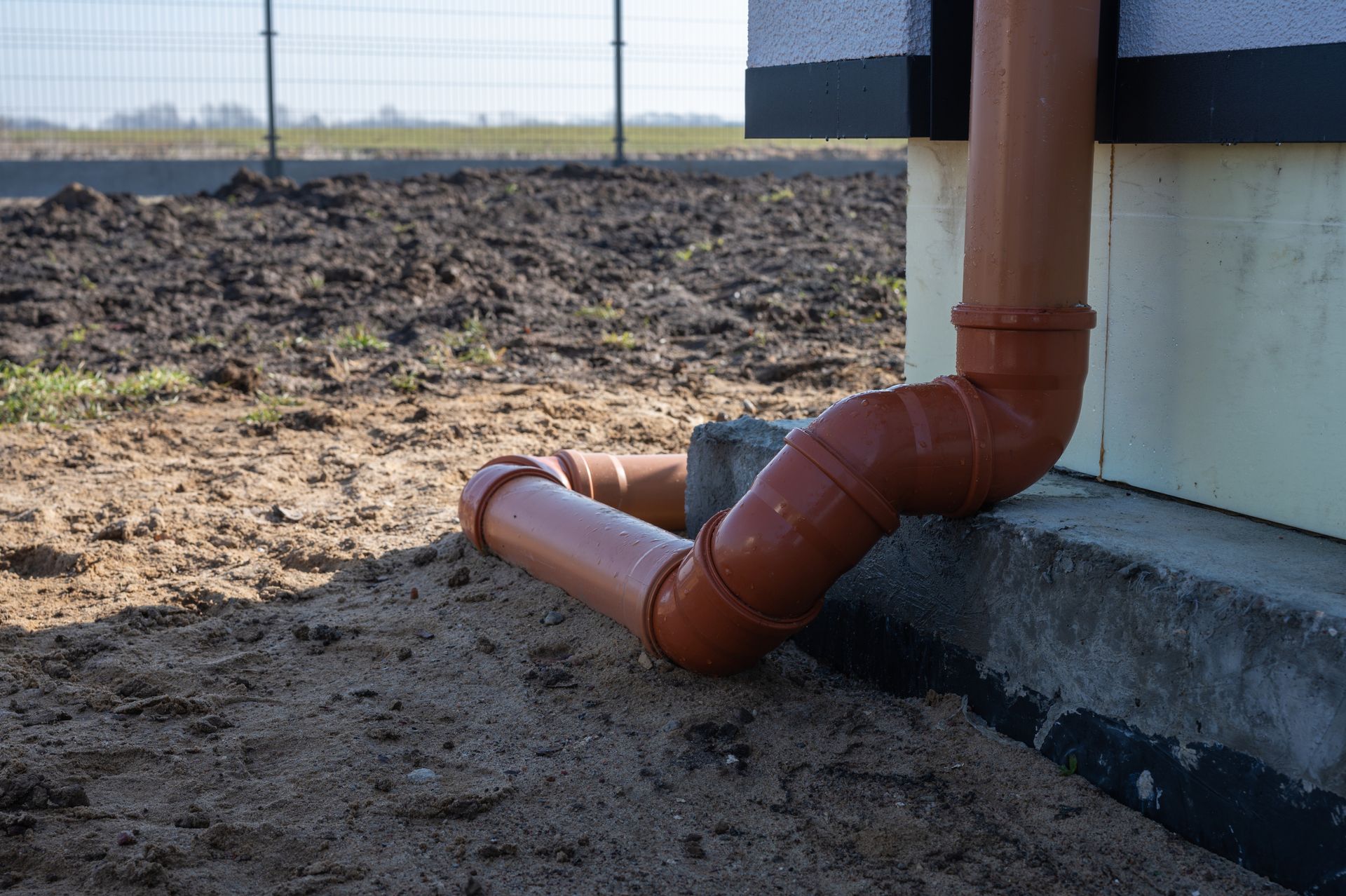
Gutters and downspouts play a crucial role in directing water away from your home. Ensure they are clean and free of debris to allow water to flow freely. Consider extending downspouts at least six feet away from your foundation to prevent pooling.
2. Check Your Home’s Grading
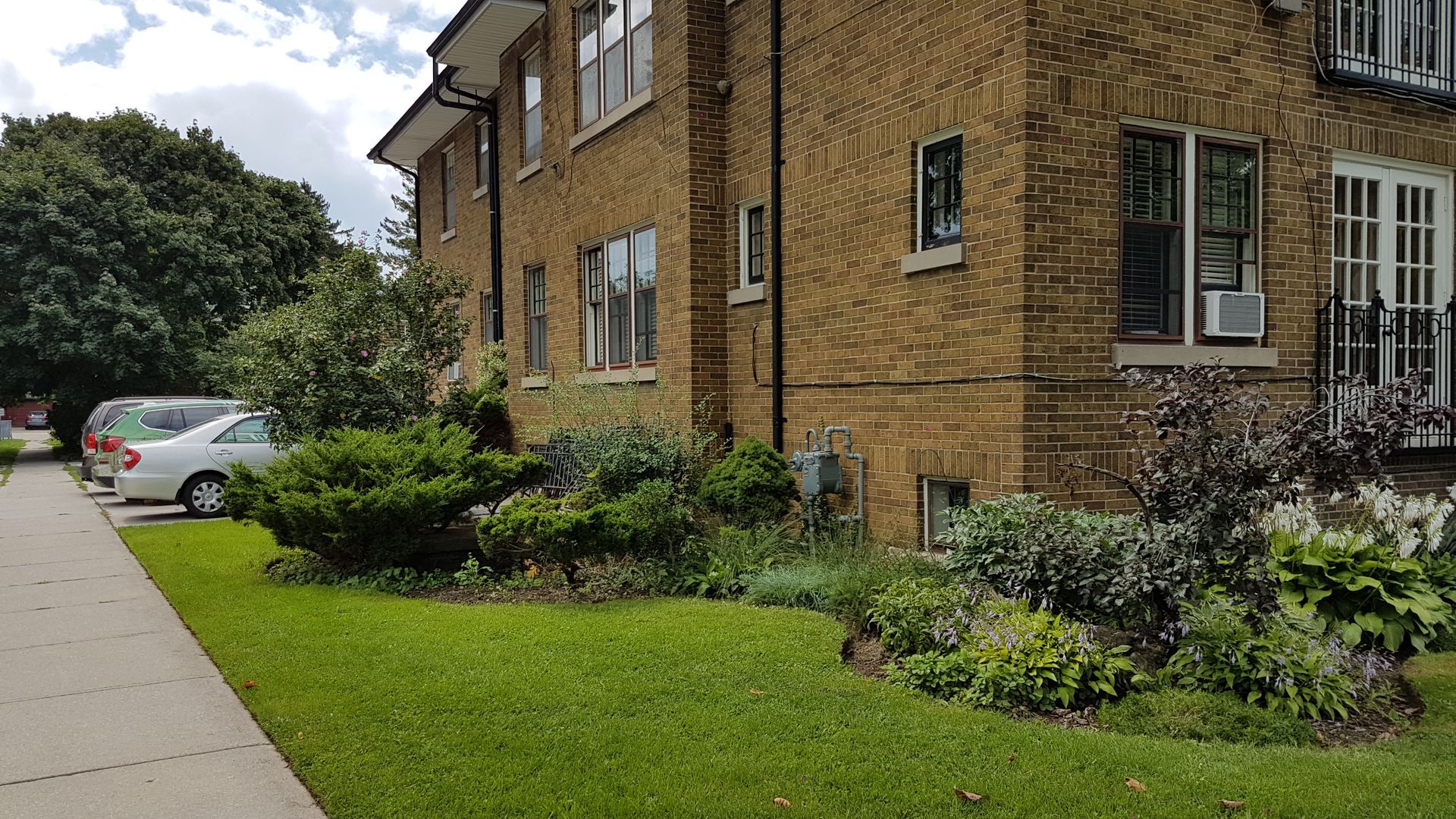
Ensure the land around your home slopes away from the foundation to facilitate proper drainage. Regrading may be necessary if you notice water pooling around your home's perimeter.
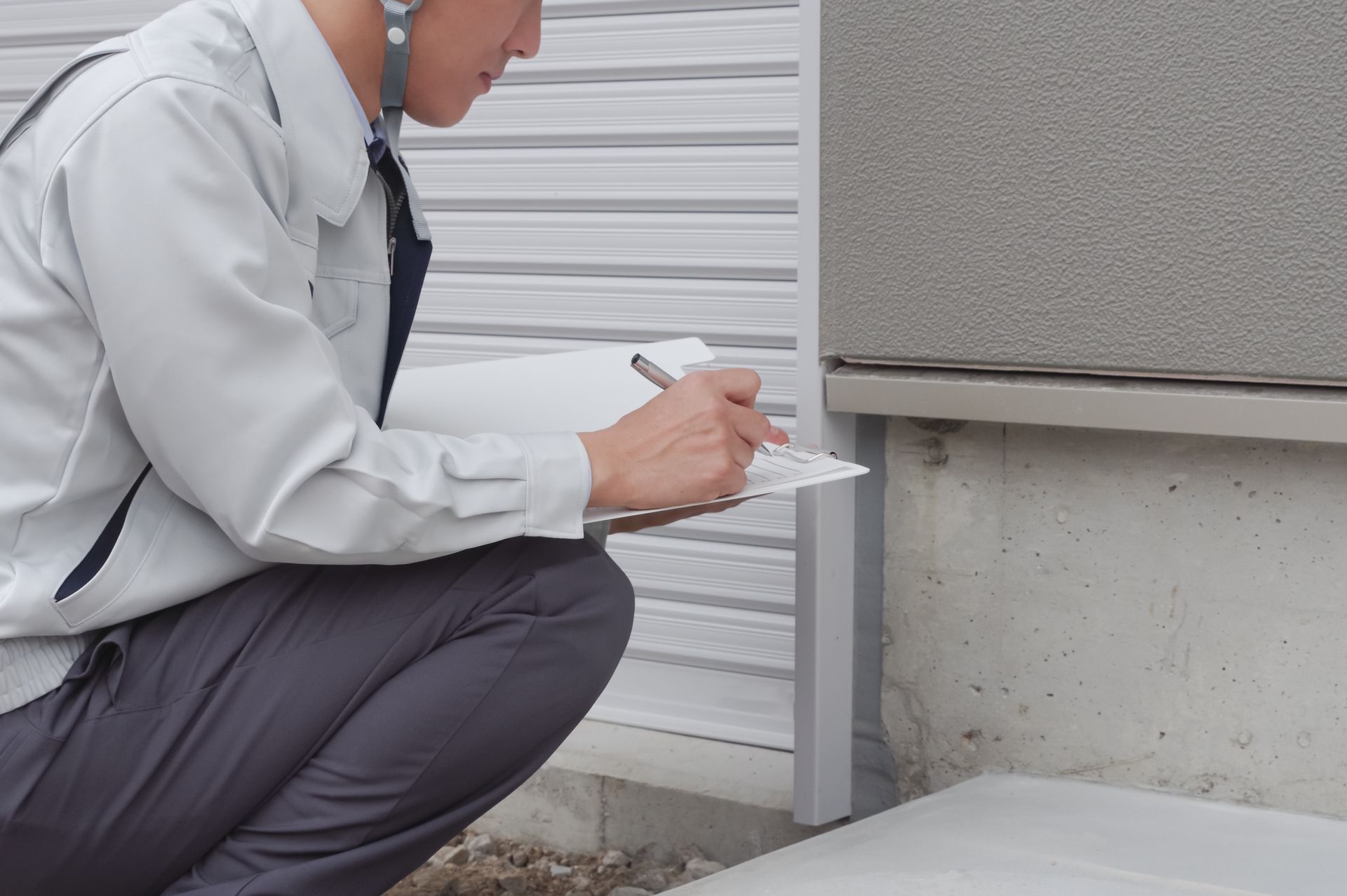
3. Seal Cracks and Openings
Inspect your home’s foundation, windows, and doors for any cracks or openings and seal them with appropriate waterproofing materials. This helps prevent water from seeping into your basement.
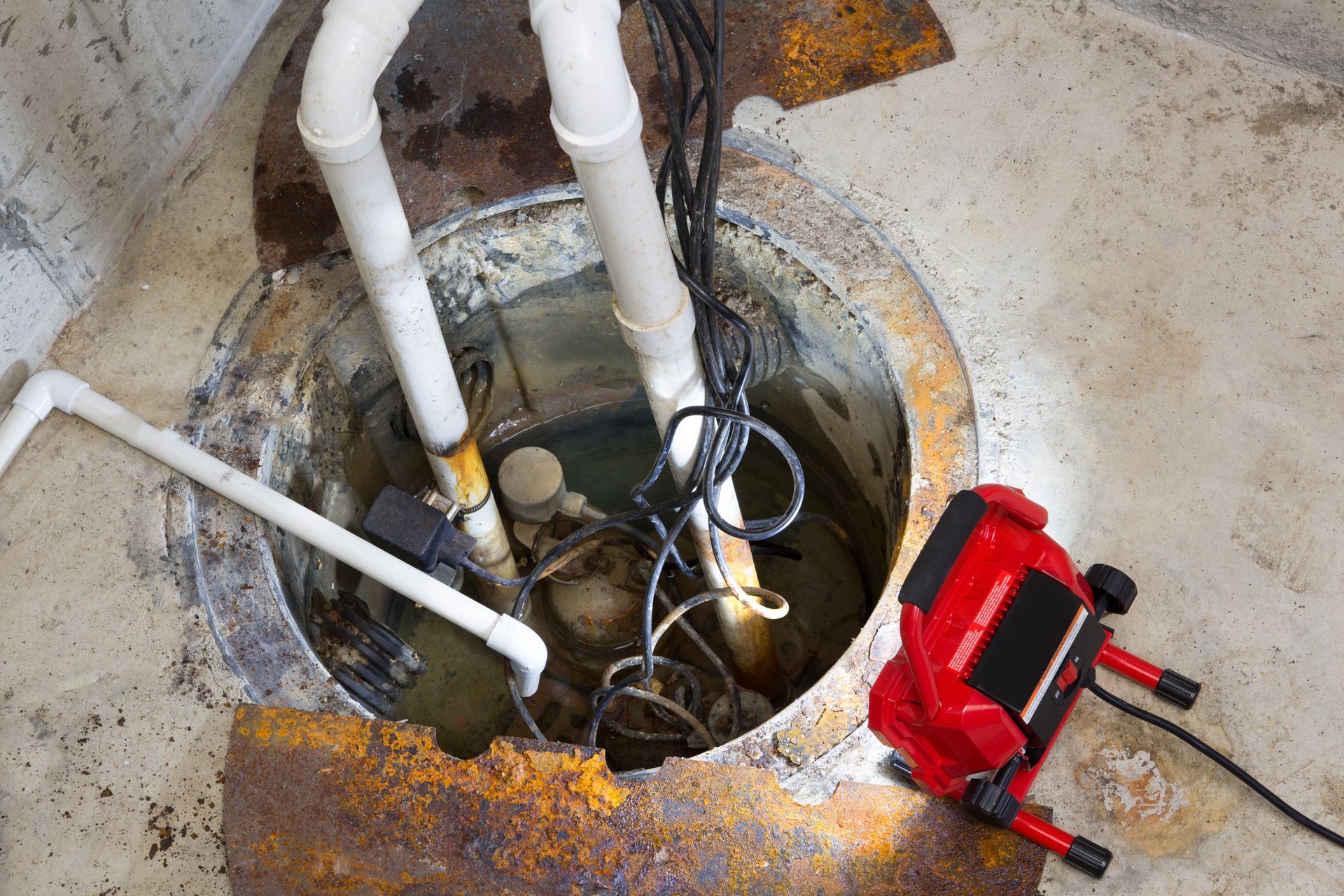
4. Install a Sump Pump
A sump pump is an effective tool for managing excess water in your basement. Ensure your sump pump is in good working condition before the spring thaw, and consider installing a backup battery system to keep it operational during power outages.
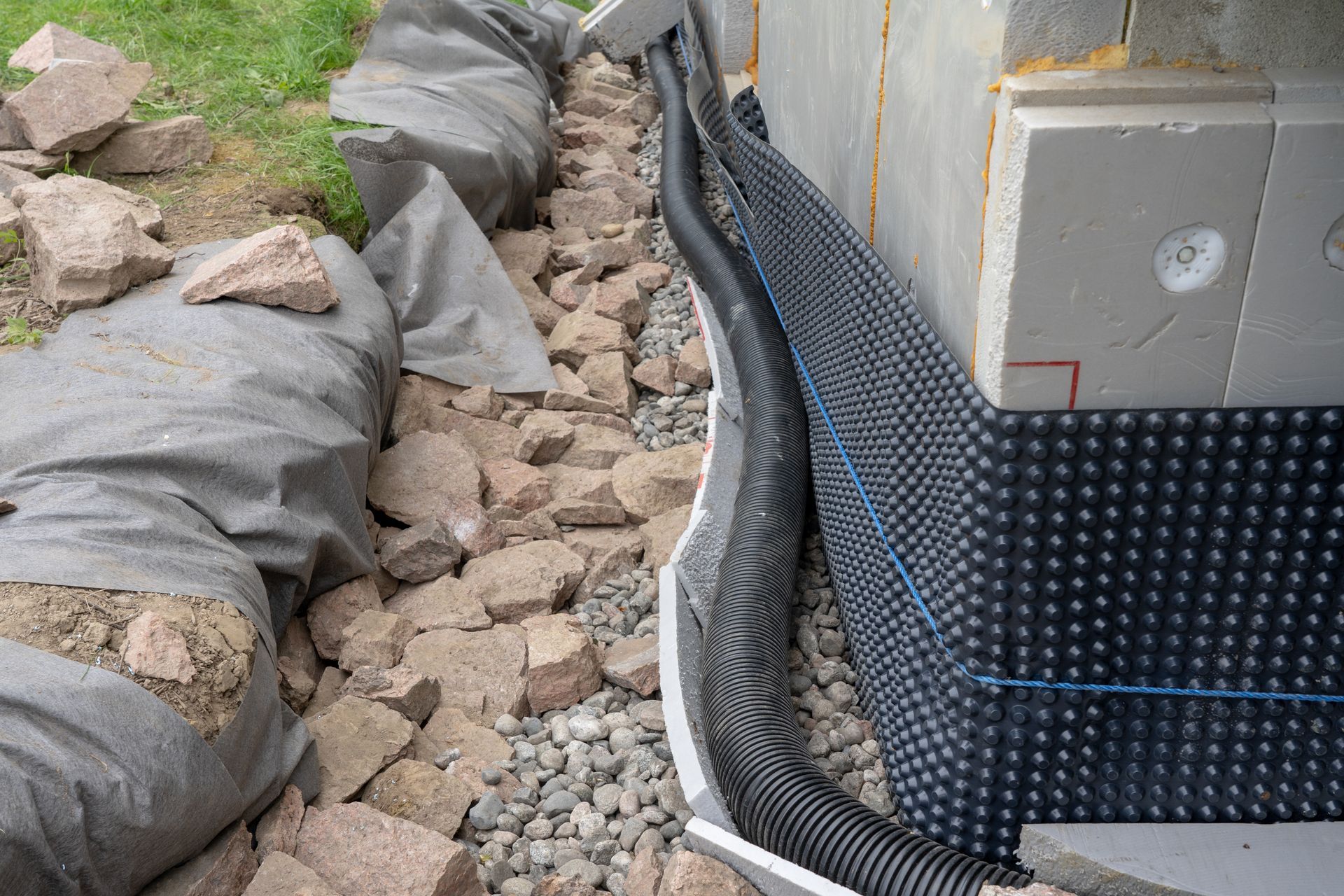
5. Consider a French Drain System
A French drain system can help redirect water away from your home, reducing pressure on the foundation and preventing basement flooding.
6. Test Your Drainage Systems
Test your interior and exterior drainage systems ahead of the spring thaw. Make sure they effectively channel water away from your home.
Emergency Preparedness Tips
1. Create an Emergency Kit
In case of flooding, have an emergency kit ready with essentials such as flashlights, batteries, bottled water, non-perishable food, and a first-aid kit. Include important documents and contact numbers.
2. Develop an Emergency Plan
Create a family emergency plan outlining evacuation routes and meeting points. Ensure all family members are familiar with the plan and practice it regularly.
3. Keep Valuables Off the Basement Floor
Store valuable items and important documents in waterproof containers and on elevated surfaces to protect them in case of flooding.
4. Monitor Weather Conditions
Stay informed about weather conditions through reliable sources. Sign up for local alerts and updates about potential flooding risks in your area.
5. Know How to Shut Off Utilities
In case of severe flooding, know how to safely shut off electricity, water, and gas to prevent further damage or hazards.
Professional Solutions for Added Protection
1. Foundation Waterproofing
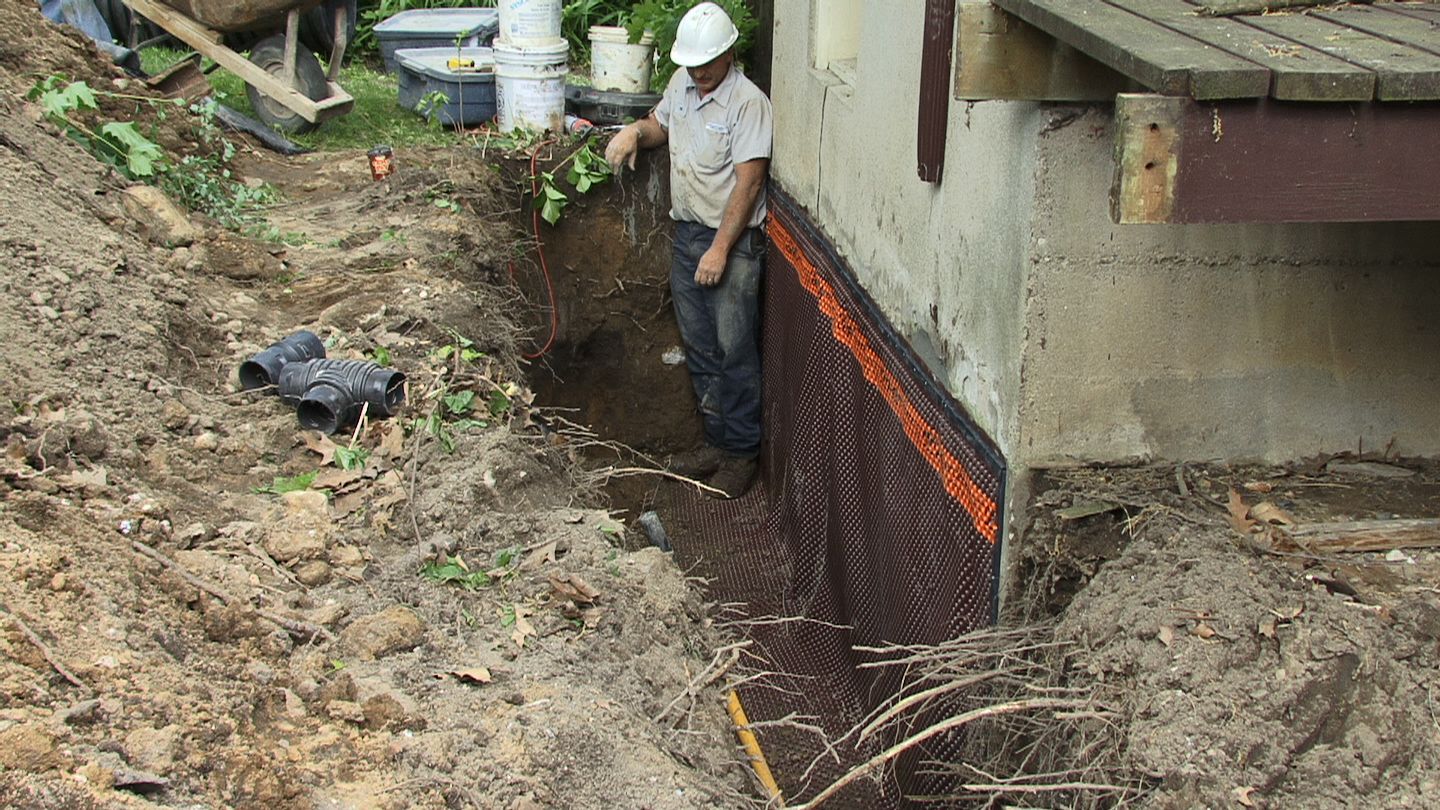
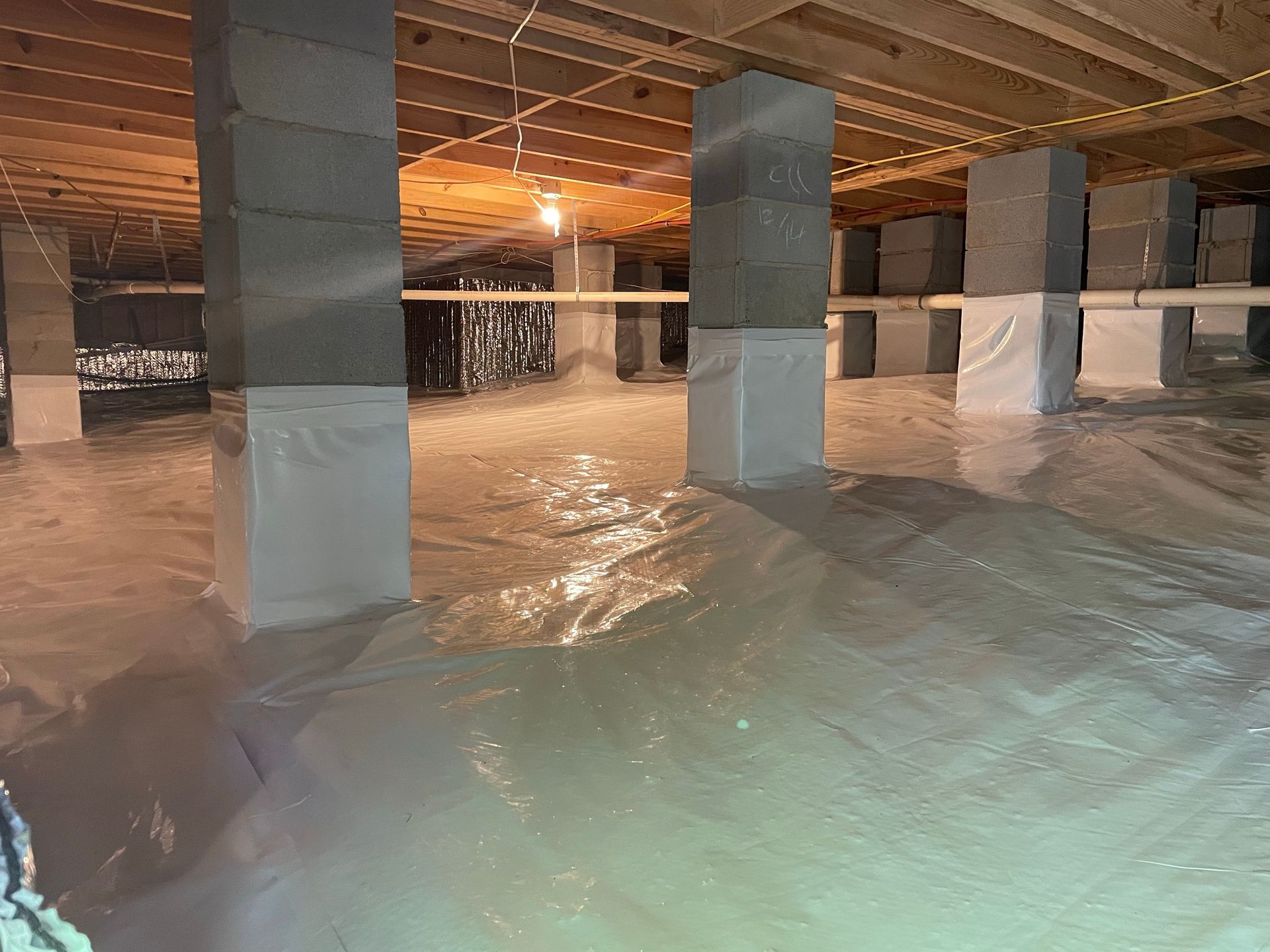
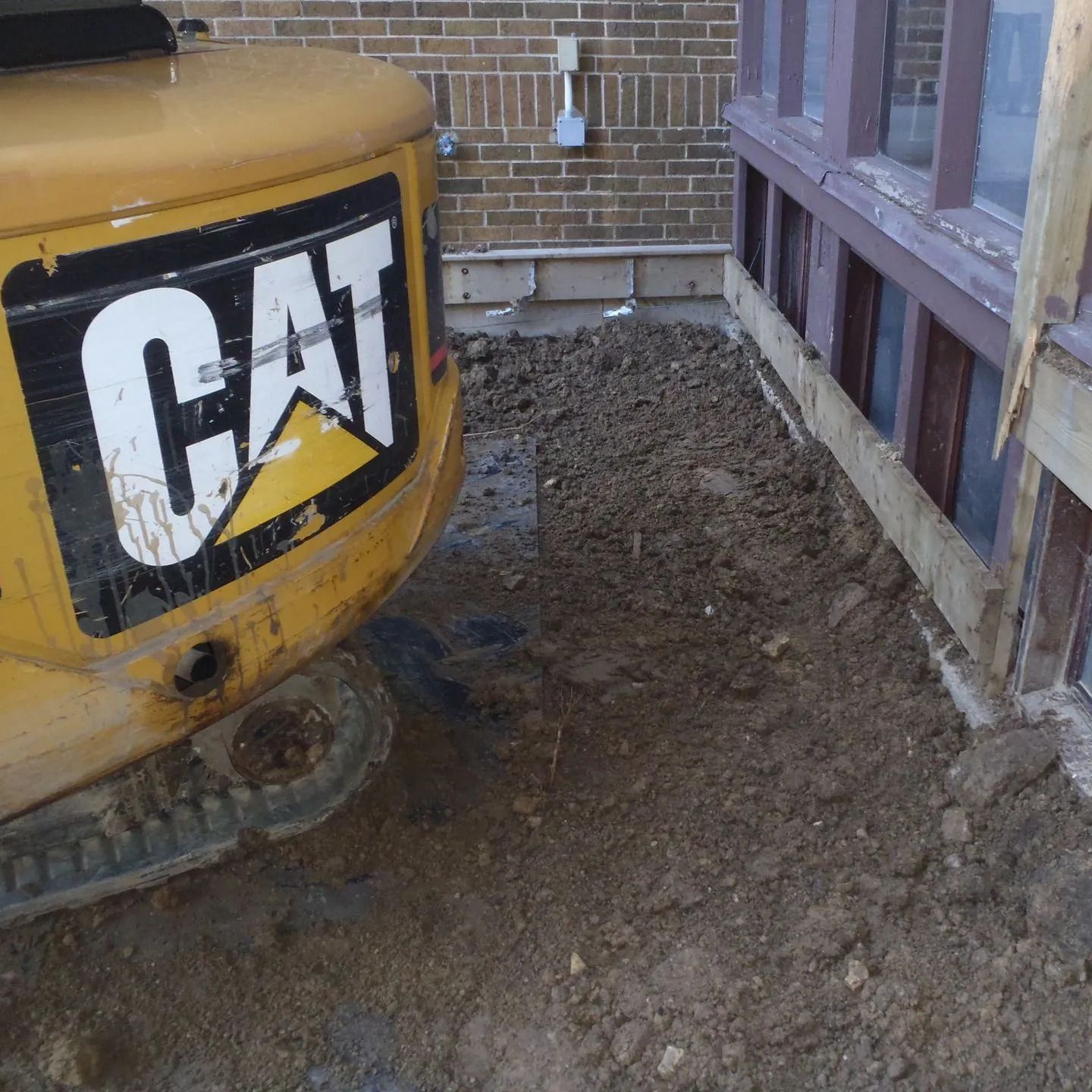
Professional foundation waterproofing can provide an added layer of protection against water infiltration. This involves applying a waterproof barrier to the exterior or interior of your home's foundation.
2. Interior Drainage Systems
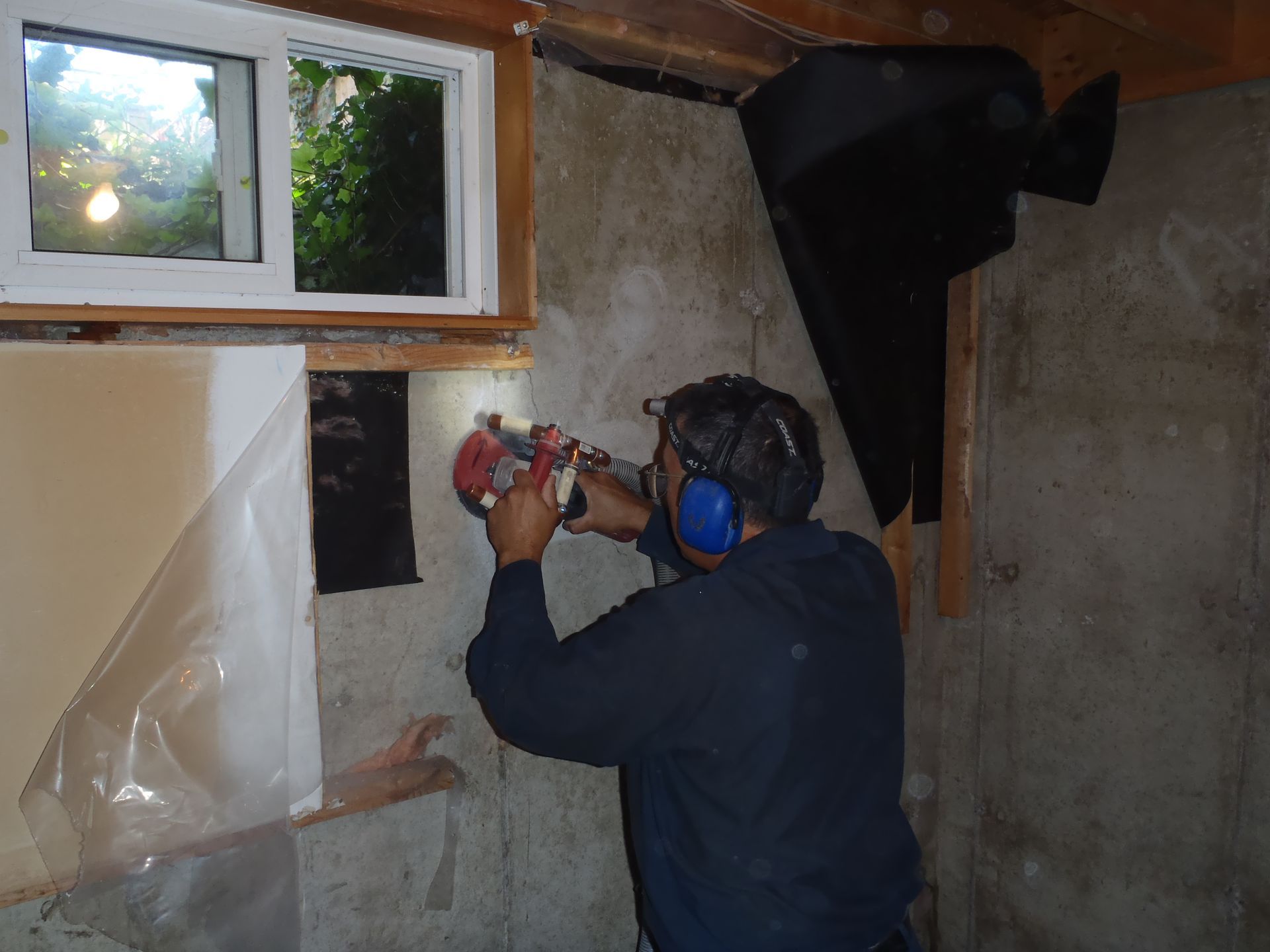
Interior drainage systems, such as sump pumps with perimeter drains, effectively manage and remove water from the basement before it can cause damage.
3. Window Well Covers
Installing window well covers can prevent water from pooling and seeping into basement windows during heavy rains or rapid snowmelt.
At DryBasements.com Ltd., we are dedicated to helping you protect your home from the risks associated with spring thaws. Our team of experts offers comprehensive waterproofing and drainage solutions tailored to your home’s specific needs. Don’t wait until meltwater becomes a problem—contact us today at (519) 473-0561 or email us at office@drybasements.com to schedule a consultation and ensure your home is prepared for spring.
Spring thaws can pose significant challenges, but with proper preparation and proactive measures, you can protect your home from potential flooding and damage. By inspecting your home’s drainage systems, sealing vulnerabilities, and having a solid emergency plan in place, you can enjoy the beauty of spring without worry. Trust DryBasements.com Ltd. to provide the expertise and solutions you need to keep your home safe, dry, and ready for whatever weather comes your way. Take action today to safeguard your home this spring season.