Bowed Walls: Causes, Dangers, and Solutions for a Safe Home
When it comes to maintaining the structural integrity of your home, ensuring your foundation stays in good condition should be on top of your list. A common foundation problem many homeowners face is bowed walls. Bowed walls can pose significant dangers to your home and its occupants, and it's essential to understand the root causes, potential hazards, and viable solutions to ensure a safe and dry living environment.
Causes of Bowed Walls
Bowed walls are often the result of excessive pressure on the foundation due to a variety of factors:
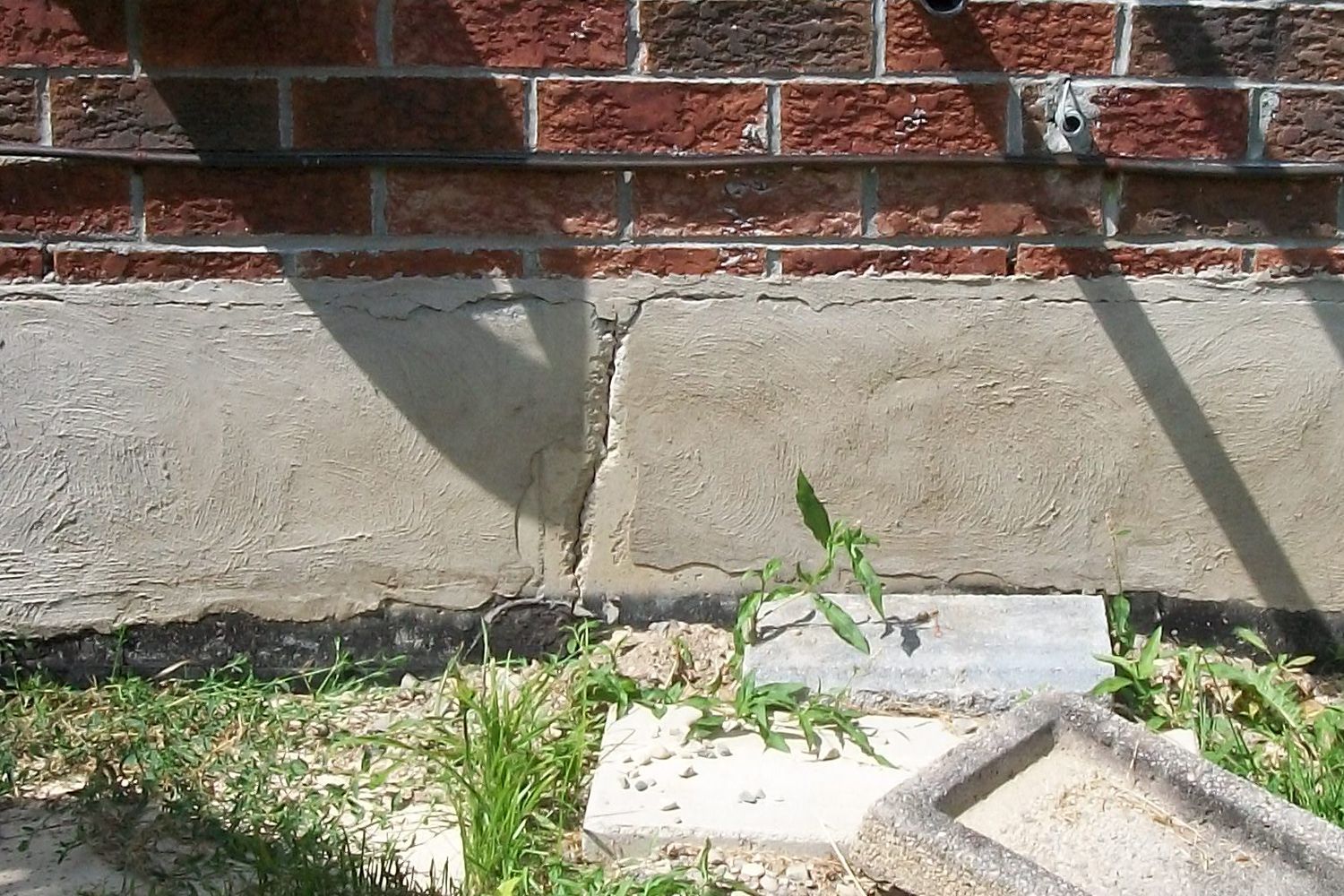
1. Hydrostatic Pressure: The most common cause of bowed walls is hydrostatic pressure. This pressure occurs when water-saturated soil around your home's foundation expands and puts pressure on the walls, causing them to bow or even crack.
2. Expansive Soil: Some types of soils, such as clay, have the characteristic of expanding when wet and contracting when dry. This constant movement can put immense amounts of pressure on the foundation walls, eventually causing them to bow.
3. Frost Heave: In colder climates, frost heave can also contribute to bowed walls. When the ground freezes and expands, it can push against your foundation walls, which ultimately results in bowing.
Dangers of Bowed Walls
Bowed walls pose several hazards to your home and its occupants. Some of these dangers include:
1. Structural Damage: As the walls bow inward, they can compromise the structural integrity of the entire home. Over time, this can lead to significant structural damages that require extensive repairs and even threaten the safety of the occupants.
2. Water Infiltration: Bowed walls can result in cracks that allow water to seep into your basement or crawl space. This can lead to several issues, such as mold growth, poor indoor air quality, and structural damage caused by waterlogged materials and foundations.
3. Decreased Home Value: The presence of bowed walls can significantly impact your home's resale value. Most potential buyers and home inspectors view bowed walls as a significant issue that warrants further investigation and potential repairs.
Solutions for Bowed Walls
When it comes to addressing bowed walls, several effective solutions can ensure your home remains safe and structurally sound:
1. Wall Anchors: Wall anchors are a popular solution that involves the installation of metal anchors into the soil surrounding your home. These anchors are connected to steel plates on the interior walls using steel rods, which are then tightened to pull the bowed walls back into place gradually.
2. Carbon Fiber Straps: Carbon fiber straps are strong, lightweight materials that can be used to reinforce bowed walls. These straps are bonded to the wall surface and secured at the top and bottom to provide tension to counteract the pressure causing the walls to bow.
3. I-Beam Bracing: Another solution for bowed walls is I-beam bracing. Steel I-beams are installed vertically along the bowed walls and secured to the floor and ceiling. These beams provide support and prevent further bowing by distributing the pressure evenly across the wall.
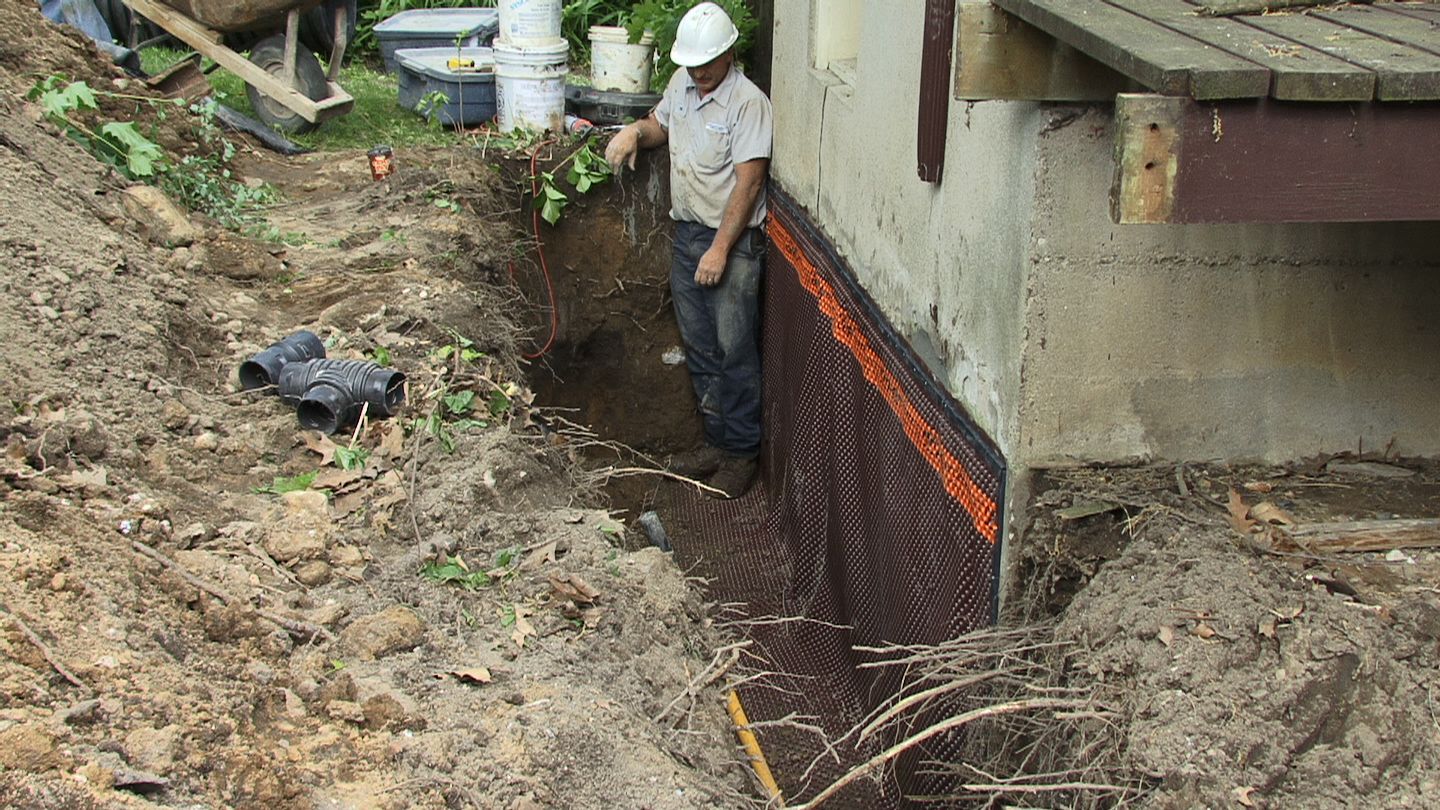
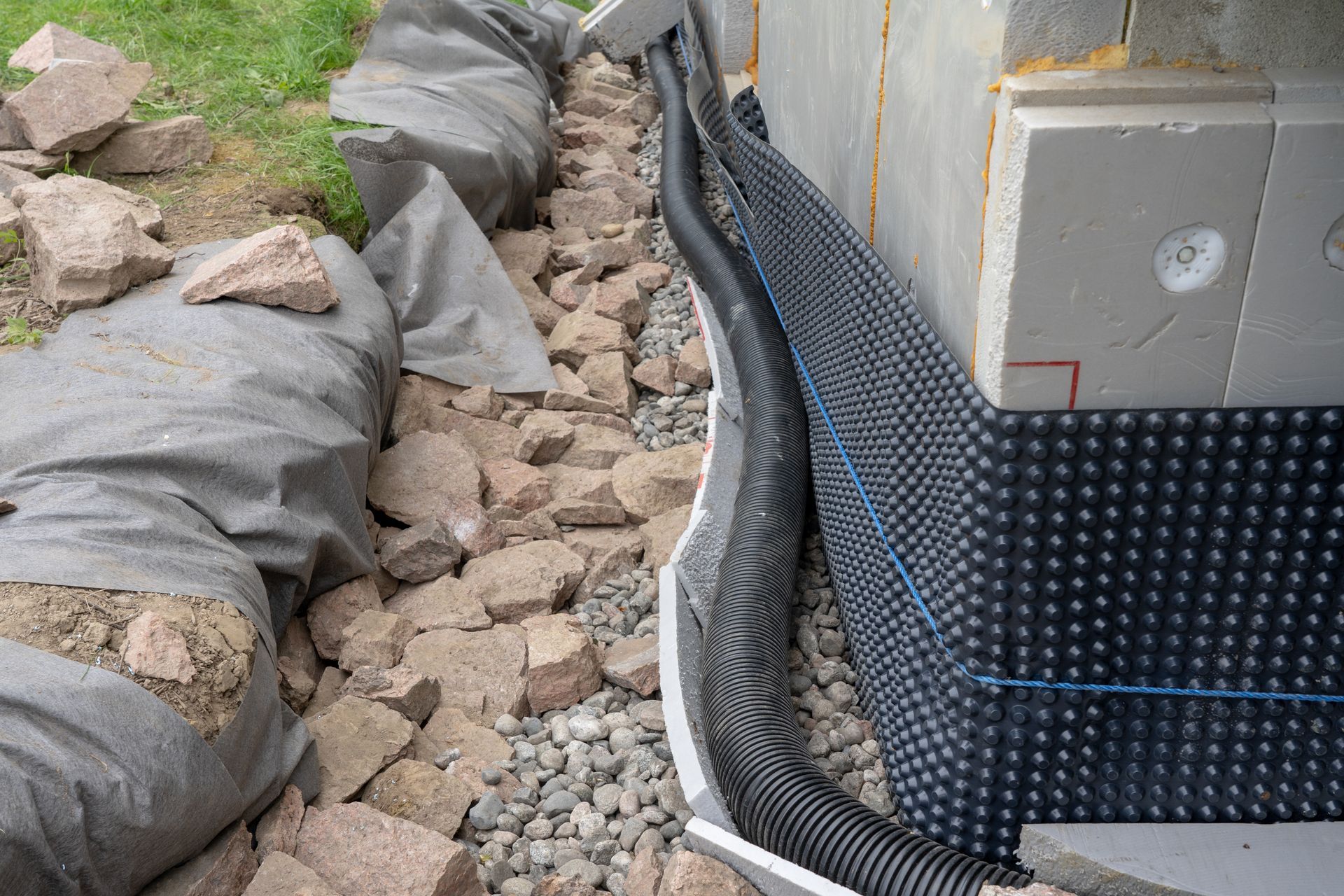
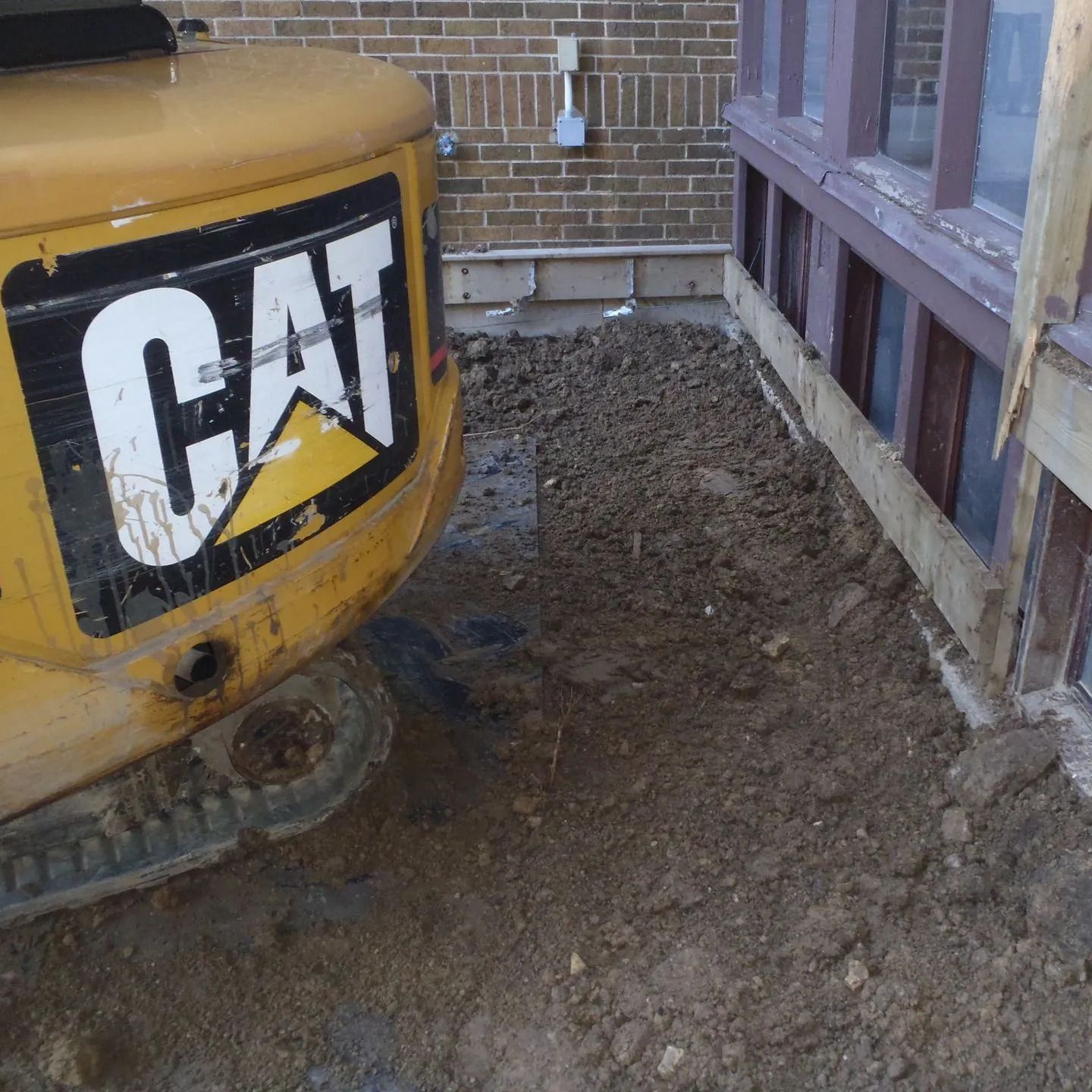
4. Exterior Excavation: In some cases, exterior excavation may be necessary to alleviate the pressure causing the walls to bow. This process involves removing the soil around the foundation, repairing any cracks or damage, and installing a drainage system to prevent future water accumulation.
Each home is unique, and the right solution will depend on the severity and cause of your bowed walls. Working with a trusted and experienced waterproofing company will ensure that the most effective solution is implemented to protect your home.
Take action today for a safer home
Don't let bowed walls threaten the safety and integrity of your home. Contact us today for a consultation with our experienced team. Let us assess your situation and implement the most effective solution for your bowed walls, giving you peace of mind and a dry, healthy home.