Crawl Space Moisture: Solutions for a Healthier Home
Crawl space moisture is an often overlooked issue that can have significant implications for the health and safety of your home. In Ontario, where humidity levels can fluctuate dramatically, managing moisture in crawl spaces is crucial. At DryBasements.com Ltd., we understand the importance of maintaining a dry and healthy environment in every part of your home, including those hard-to-reach areas like crawl spaces. This guide will explore the sources of crawl space moisture, its impacts on your home, and effective solutions to ensure a healthier living environment. By taking proactive measures, you can protect your home from damage and improve indoor air quality.
Understanding Crawl Space Moisture
Crawl spaces are susceptible to moisture problems due to their location and design. Positioned beneath the house, often with dirt floors and limited ventilation, these areas can trap moisture, leading to a host of issues. Understanding the sources of this moisture is the first step in managing it effectively.
1. Ground Moisture
The soil beneath your home contains moisture which can easily rise into the crawl space, especially during rainy seasons or when the water table is high.
2. Humidity
Ontario's climate contributes to humidity levels that can seep into your crawl space, leading to condensation on cooler surfaces.
3. Poor Ventilation
Without adequate ventilation, moisture accumulates in the crawl space, creating an ideal environment for mold growth.
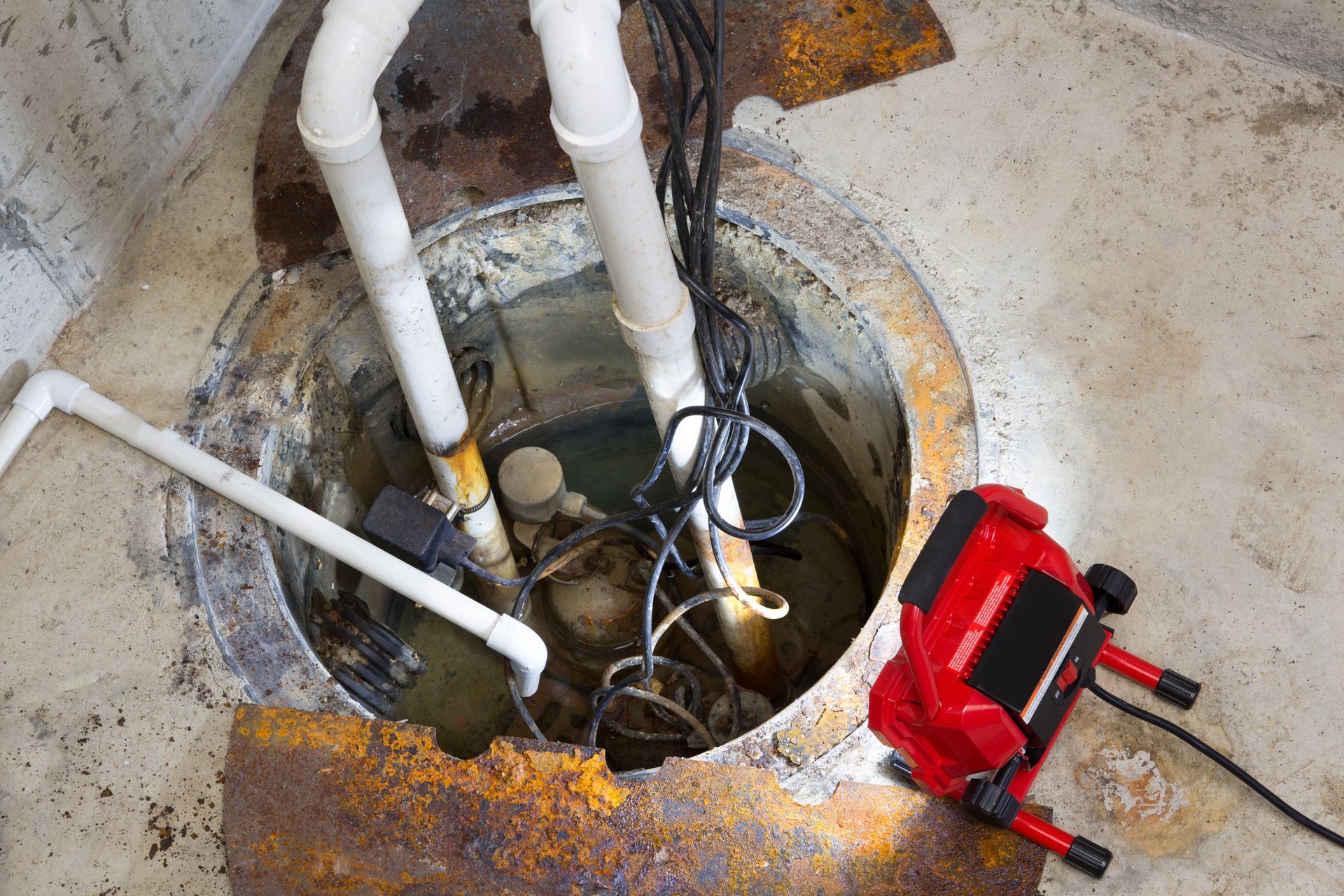
4. Plumbing Leaks
Leaking pipes or fixtures can introduce water into your crawl space, exacerbating moisture problems.
Impacts of Crawl Space Moisture
Unchecked moisture in your crawl space can lead to numerous issues, impacting both your home's structural integrity and your family's health.
1. Mold and Mildew Growth
Moist environments foster mold and mildew, which can spread to other parts of your home, leading to health issues such as allergies and respiratory problems.
2. Structural Damage
Excess moisture can weaken wooden beams and floorboards, leading to warping and decay, which compromises the structural integrity of your home.
3. Pest Infestations
Damp environments attract pests such as termites and rodents, which can cause further damage to your home.
4. Poor Indoor Air Quality
Moisture and mold in crawl spaces can affect the air quality throughout the house, as air circulates from below, carrying allergens and musty odors into living areas.
Solutions for Managing Crawl Space Moisture
Effective moisture management strategies can help alleviate these issues, ensuring a healthier home.
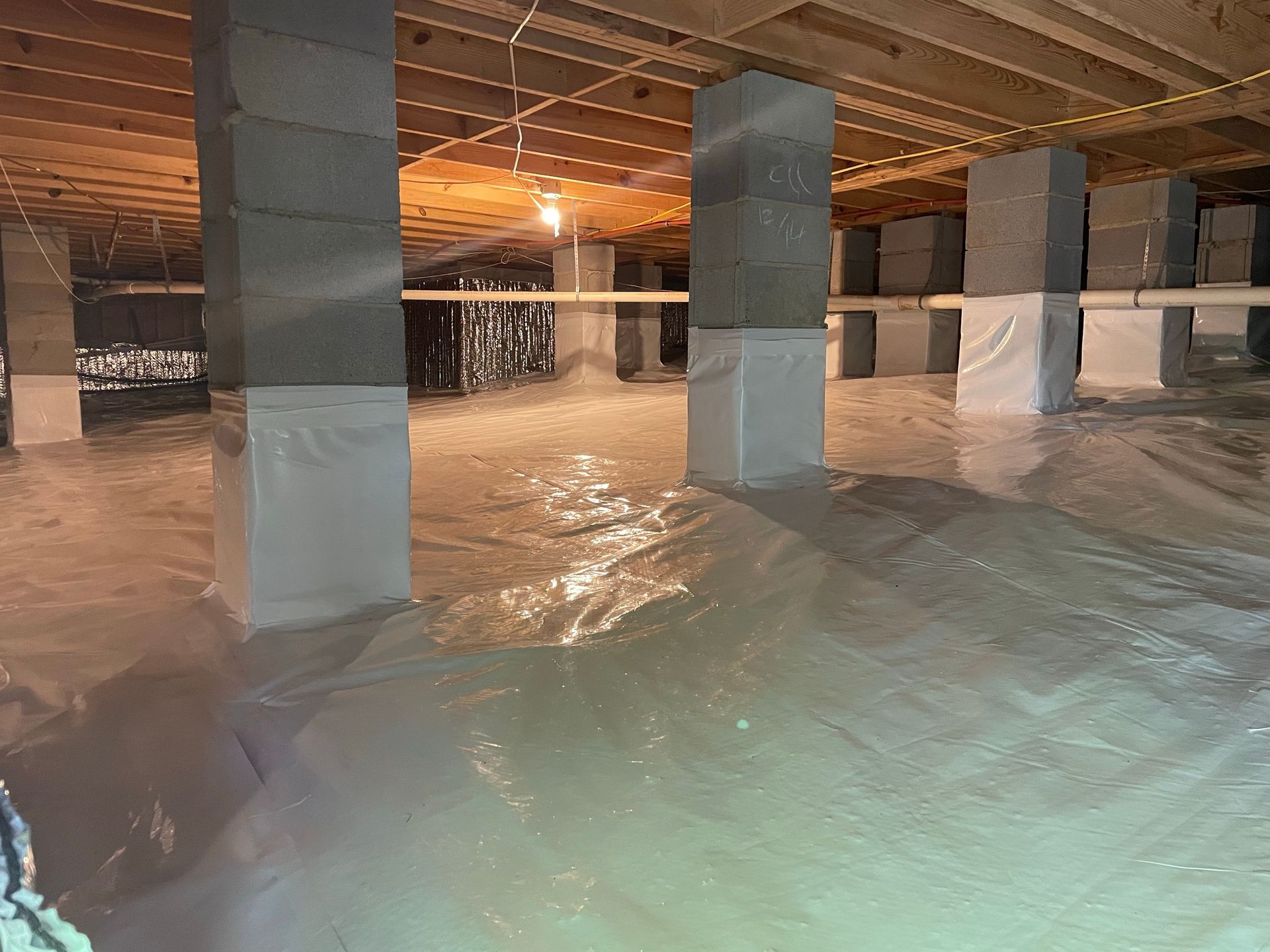
1. Install a Vapor Barrier
A vapor barrier is a heavy-duty polyethylene sheet that covers the ground and walls of the crawl space. It prevents ground moisture from rising and helps maintain a dry environment.
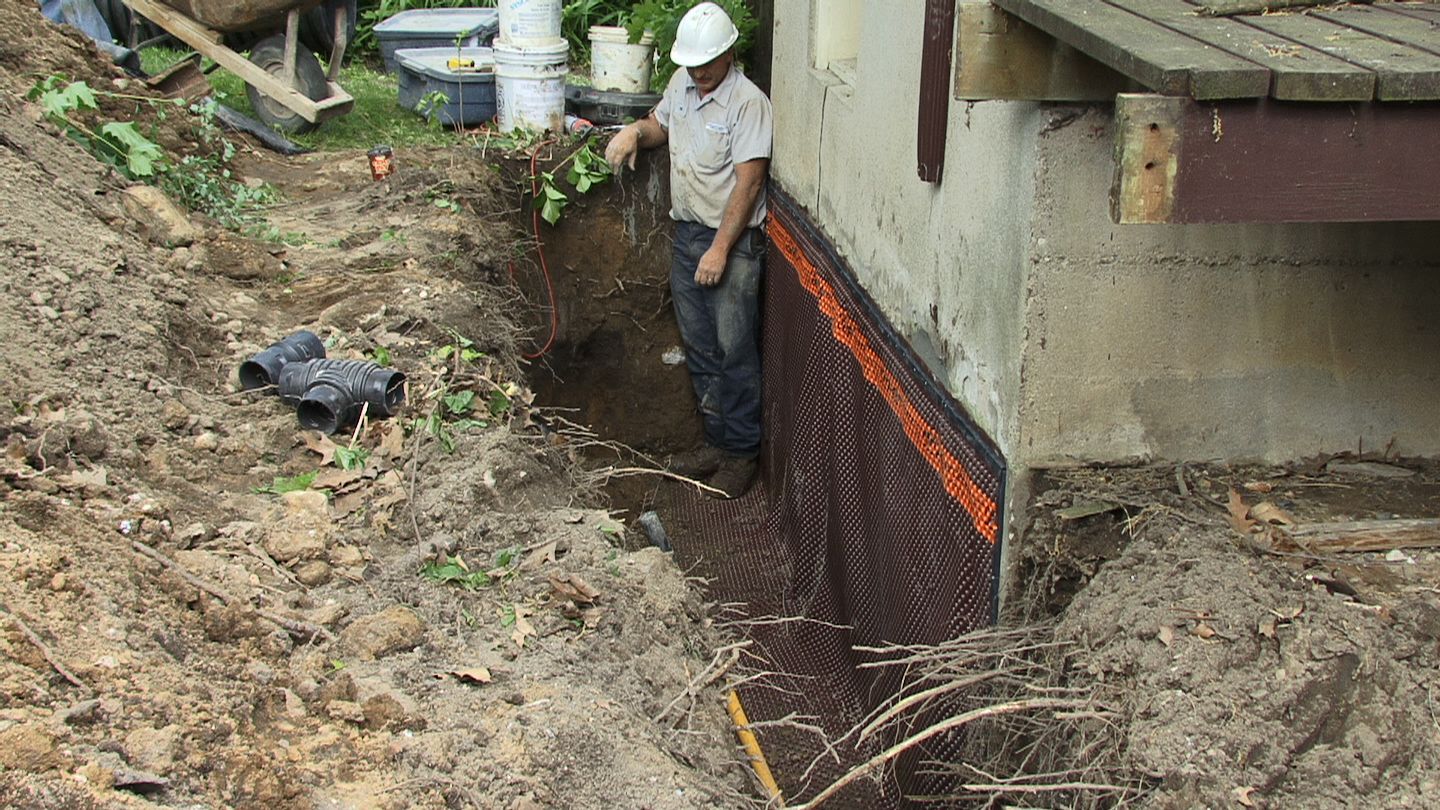
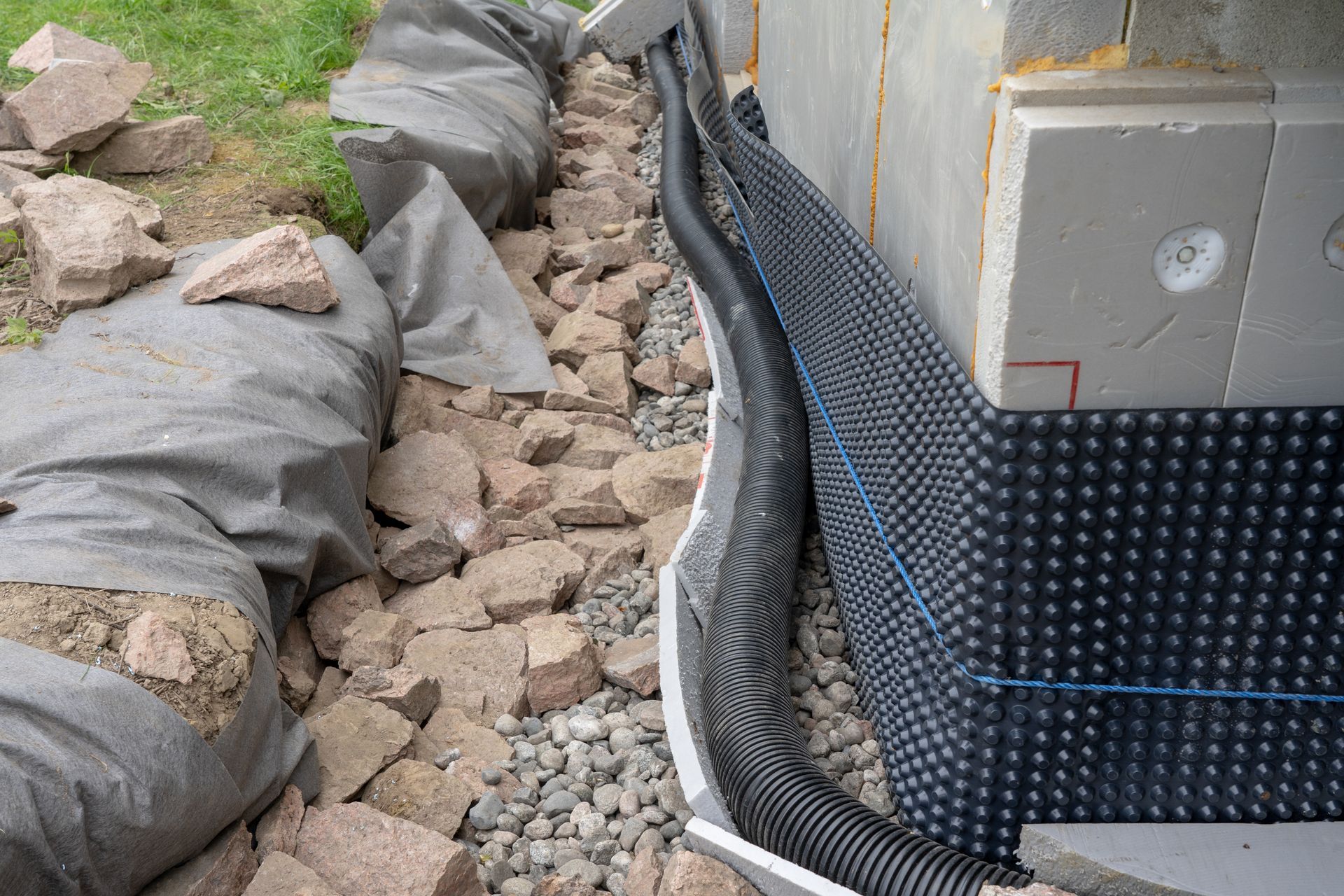
2. Improve Drainage
Ensure proper drainage around your home to divert water away from the foundation. This may involve installing gutters, downspouts, and French drains to manage rainwater effectively.
3. Seal Vents
Seal crawl space vents to prevent humid outside air from entering. This step is crucial in maintaining a controlled environment inside the crawl space.
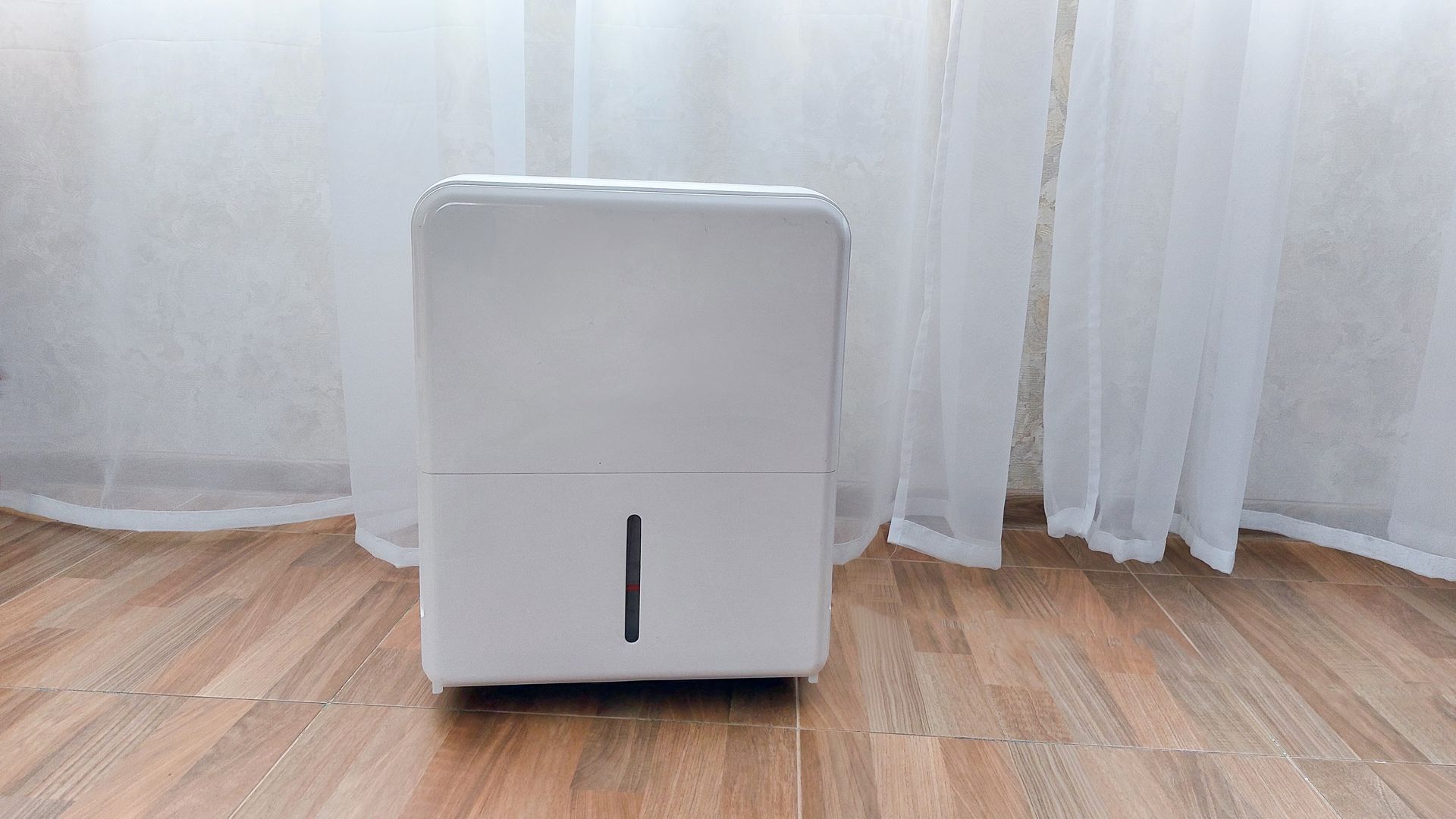
4. Dehumidification
Installing a dehumidifier specifically designed for crawl spaces can significantly reduce humidity levels, preventing condensation and subsequent mold growth.
5. Fix Plumbing Leaks
Regularly inspect and repair any plumbing leaks to prevent water from seeping into the crawl space.
6. Crawl Space Encapsulation
Encapsulation involves sealing the entire crawl space with a vapor barrier and insulating the walls. This comprehensive solution effectively controls moisture and improves energy efficiency.
Preventive Measures for a Healthy Crawl Space
Taking preventive steps can enhance the effectiveness of moisture control solutions and ensure a long-term healthy environment.
1. Regular Inspections
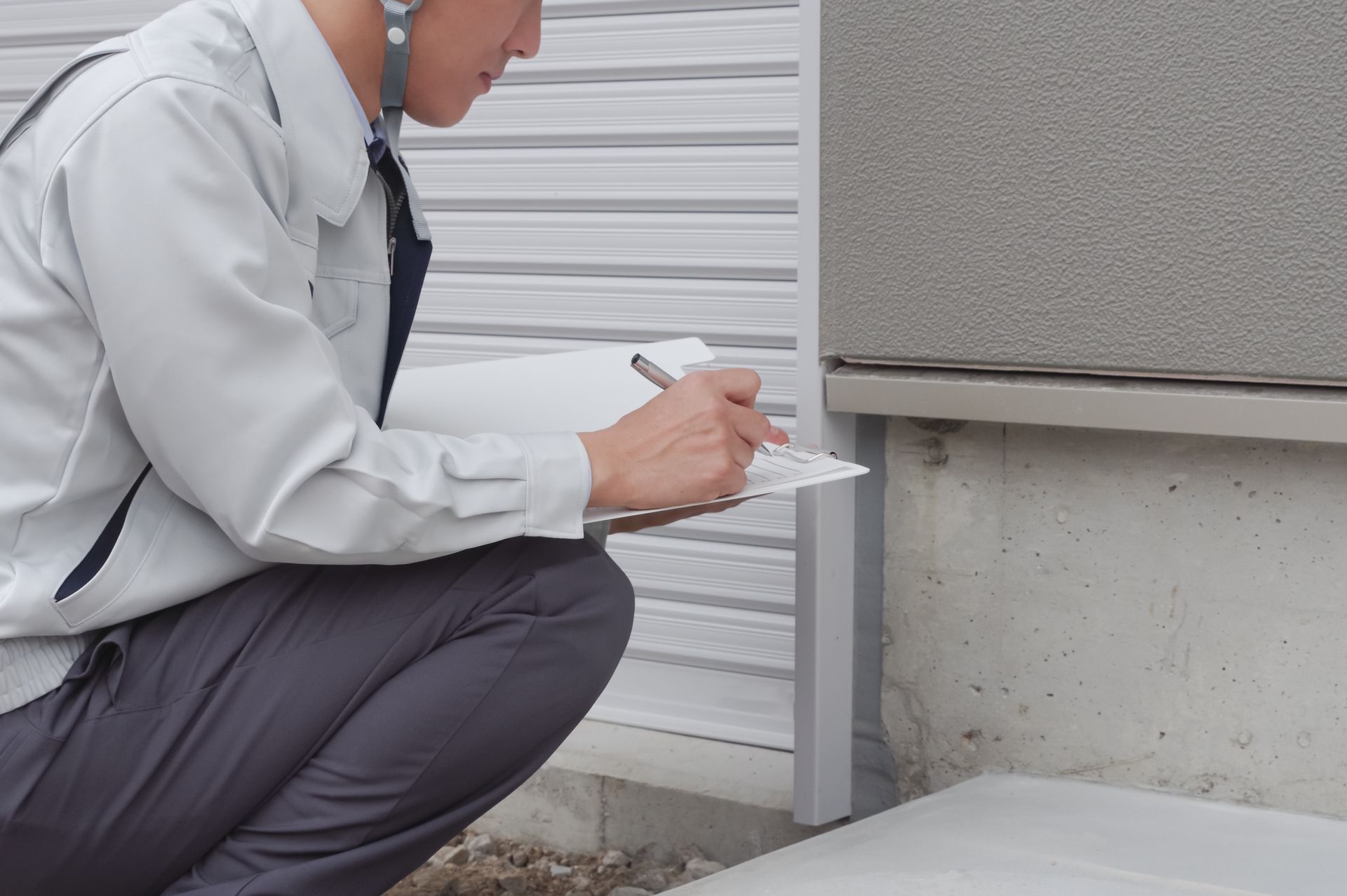
Conduct routine inspections of your crawl space to identify and address potential moisture issues before they escalate.
2. Landscape Grading
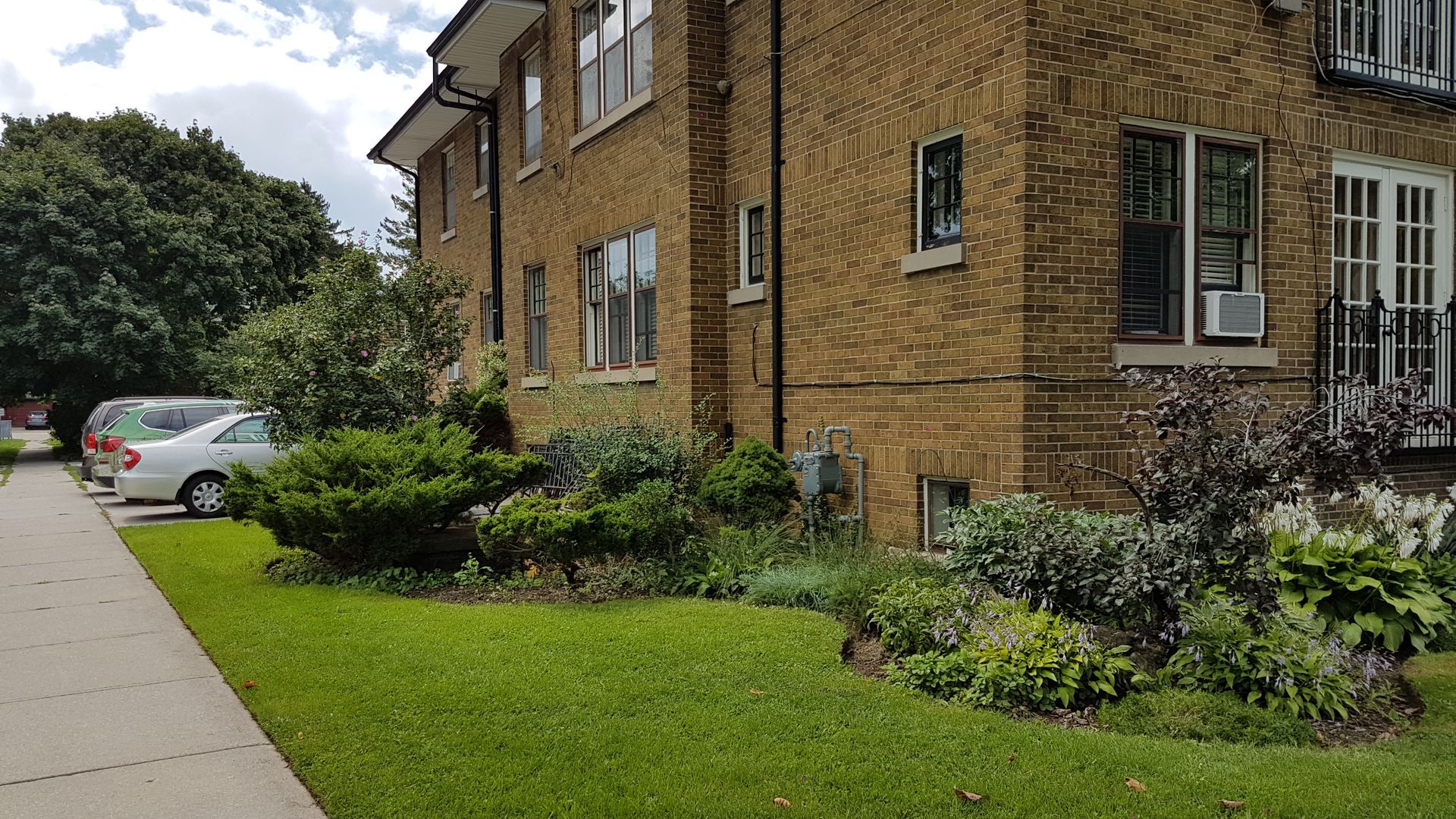
Ensure the soil around your home slopes away from the foundation to promote proper water drainage and reduce the risk of moisture seeping into the crawl space.
3. Monitor Humidity Levels
Use a hygrometer to regularly monitor humidity levels in your crawl space, ensuring they remain within a safe range (ideally below 60%).
4. Professional Assessment
Consider professional assessments and maintenance to ensure your crawl space remains in optimal condition.
At DryBasements.com Ltd., we specialize in crawl space moisture solutions tailored to your home’s unique needs. Our expert team is ready to provide comprehensive assessments and implement effective strategies to protect your home from moisture-related issues. Don't let crawl space moisture compromise your home's health and safety. Contact us today at (519) 473-0561 or email us at office@drybasements.com to schedule a consultation and learn more about how we can help you maintain a healthier home environment.
Managing crawl space moisture is essential for protecting your home and ensuring a healthy indoor environment. By identifying sources of moisture, understanding their impacts, and implementing effective solutions, you can safeguard your home against damage and improve air quality. Trust DryBasements.com Ltd. to provide expert moisture management and encapsulation services, offering peace of mind and a healthier living space for you and your family. Take proactive steps today to address crawl space moisture and enjoy the benefits of a dry, safe, and comfortable home.