How to Maintain Your Sump Pump for Optimal Performance
There's no denying the vital role a sump pump plays in keeping your basement dry and preventing water damage. This humble appliance tirelessly works to keep your home safe and dry, especially during heavy rains or snow melts. However, like any other device, a sump pump requires regular maintenance to function optimally. DryBasements.com Ltd. provides an insightful guide on maintaining your sump pump for optimal performance.
Understanding Your Sump Pump
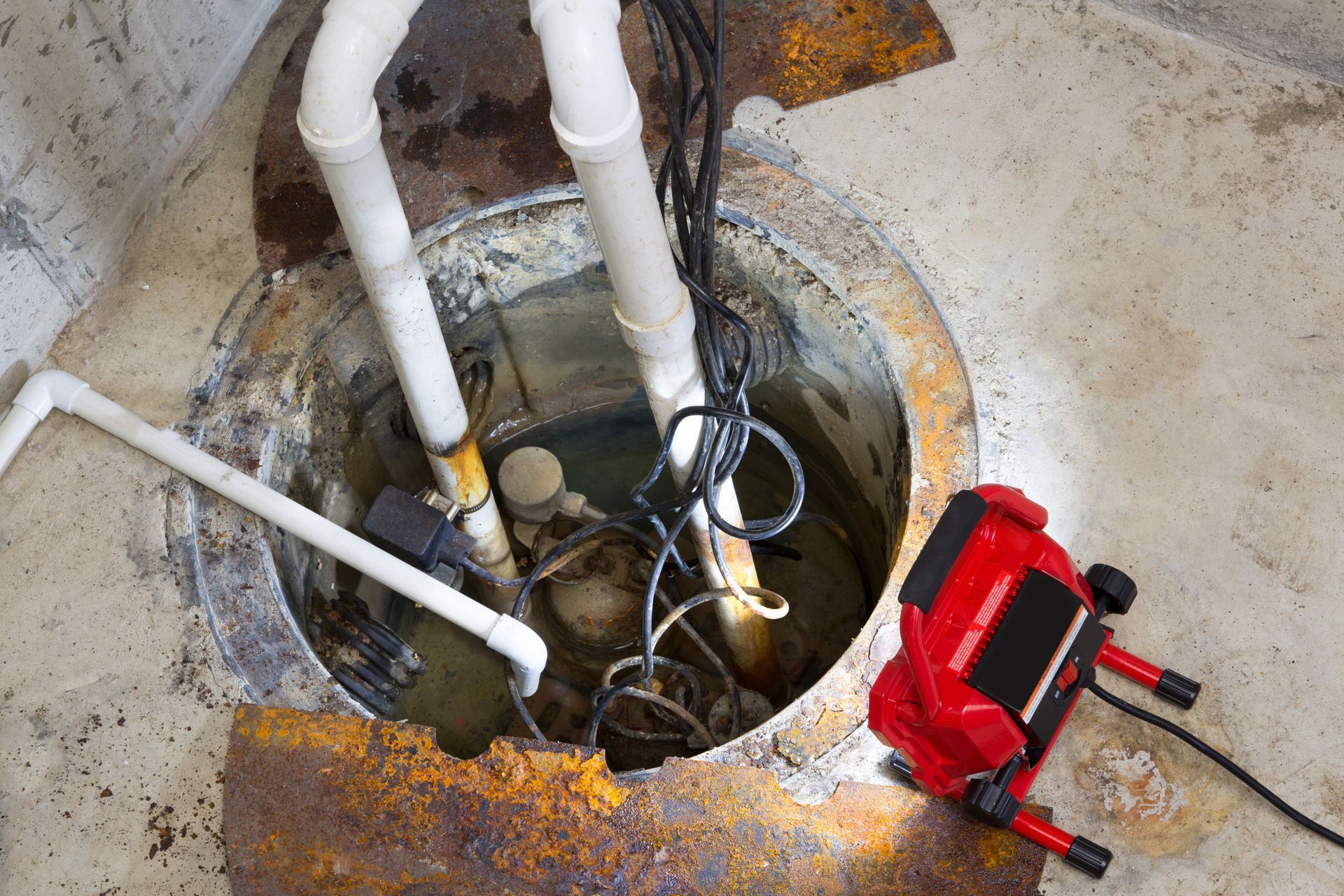
A sump pump is a simple device installed in the lowest part of your basement or crawlspace. Its main job is to keep the area under the building dry and prevent it from flooding. To do this, it pumps out the water that accumulates in the sump basin and disposes of it away from the building. This prevents excess moisture, which can lead to mould growth, wood rot, and ultimately, structural damage.
Routine Inspection and Cleaning
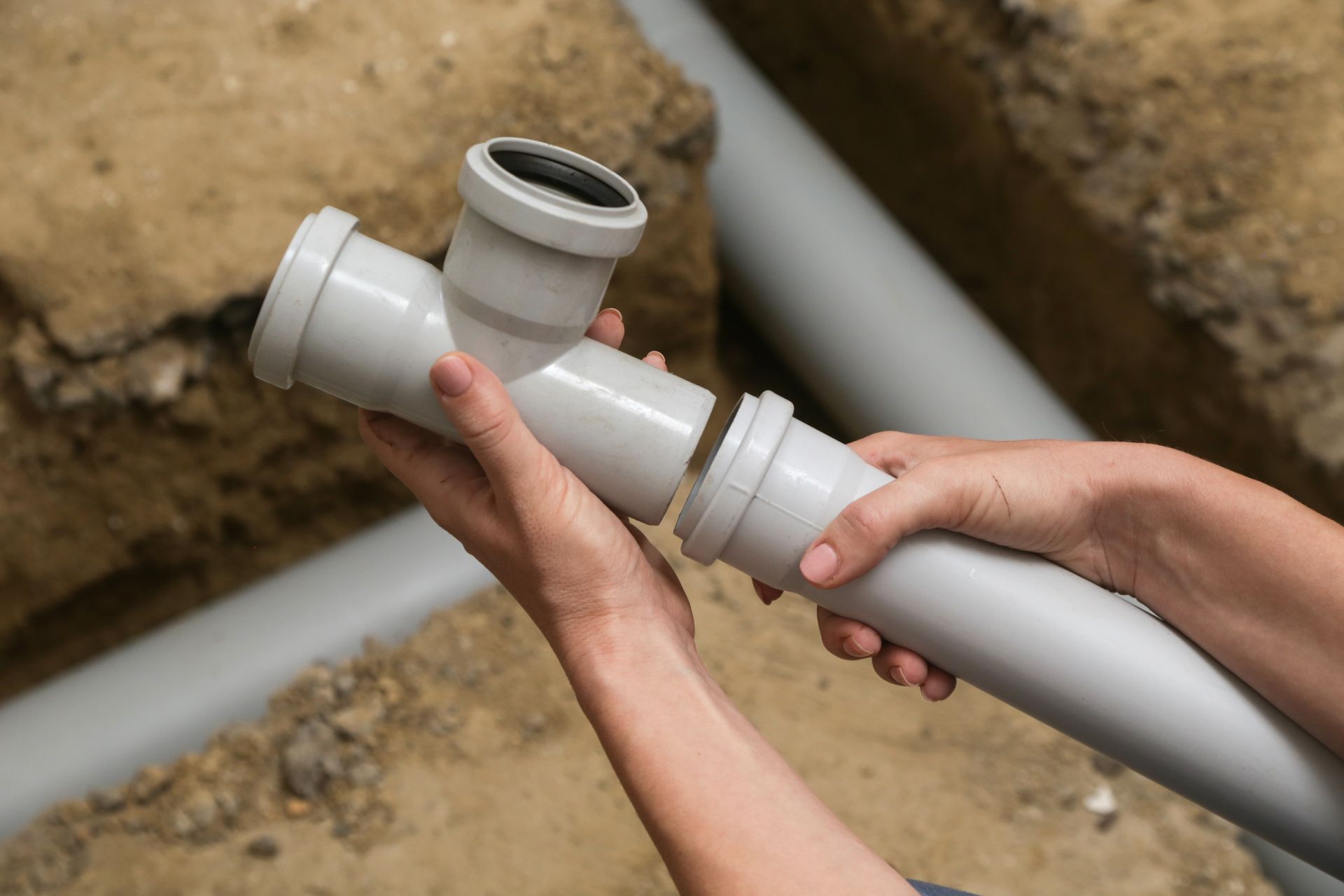
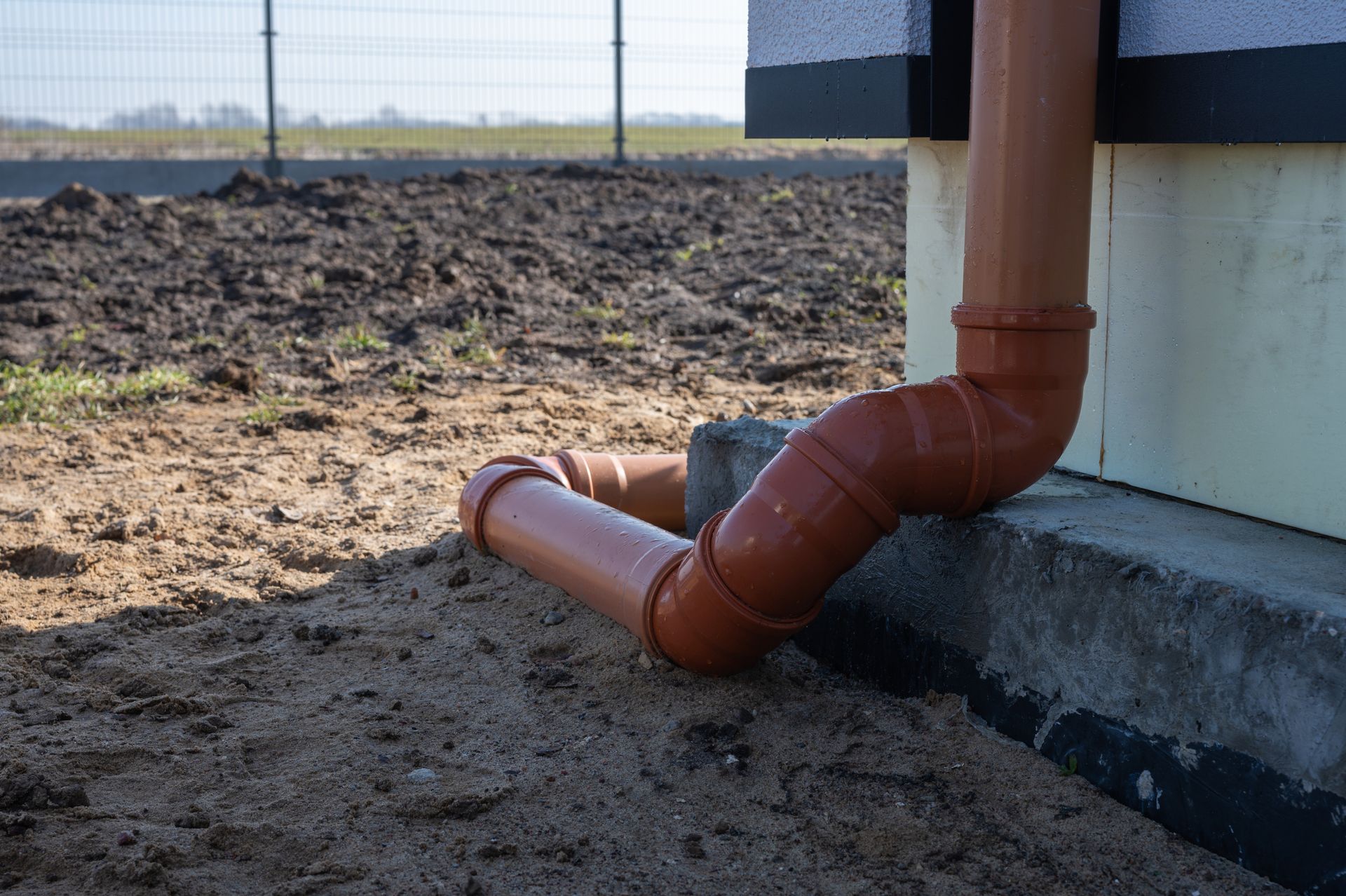
To ensure that your sump pump works effectively, regular inspection and cleaning are crucial. Start by checking the power cord and making sure it's properly connected and not frayed or worn out. Then, inspect the discharge pipe and vents for any blockages or debris that could hinder the water flow. Finally, clean the sump pit, removing any dirt, sand, gravel, or other debris that could clog the pump.
Testing Your Sump Pump
Regular testing of your sump pump can help you identify problems before they become serious. The simplest way to test your pump is by pouring a bucket of water into the sump pit. The pump should start immediately and dispose of the water quickly. If it doesn't, it's time to call a professional.
Checking the Float and Check Valve
The float is an integral part of your sump pump; it triggers the pump to start when the water level in the sump pit rises. Therefore, ensuring that the float is not restricted or tangled is crucial for the sump pump to function correctly. Also, make sure the check valve, which prevents water from flowing back into the sump pit, is not installed backward.
Battery Backup Maintenance
If your sump pump has a battery backup, it's essential to keep this in good working condition too. Check and replace the battery every two to three years, and always ensure the battery terminals are clean and corrosion-free.
Professional Maintenance
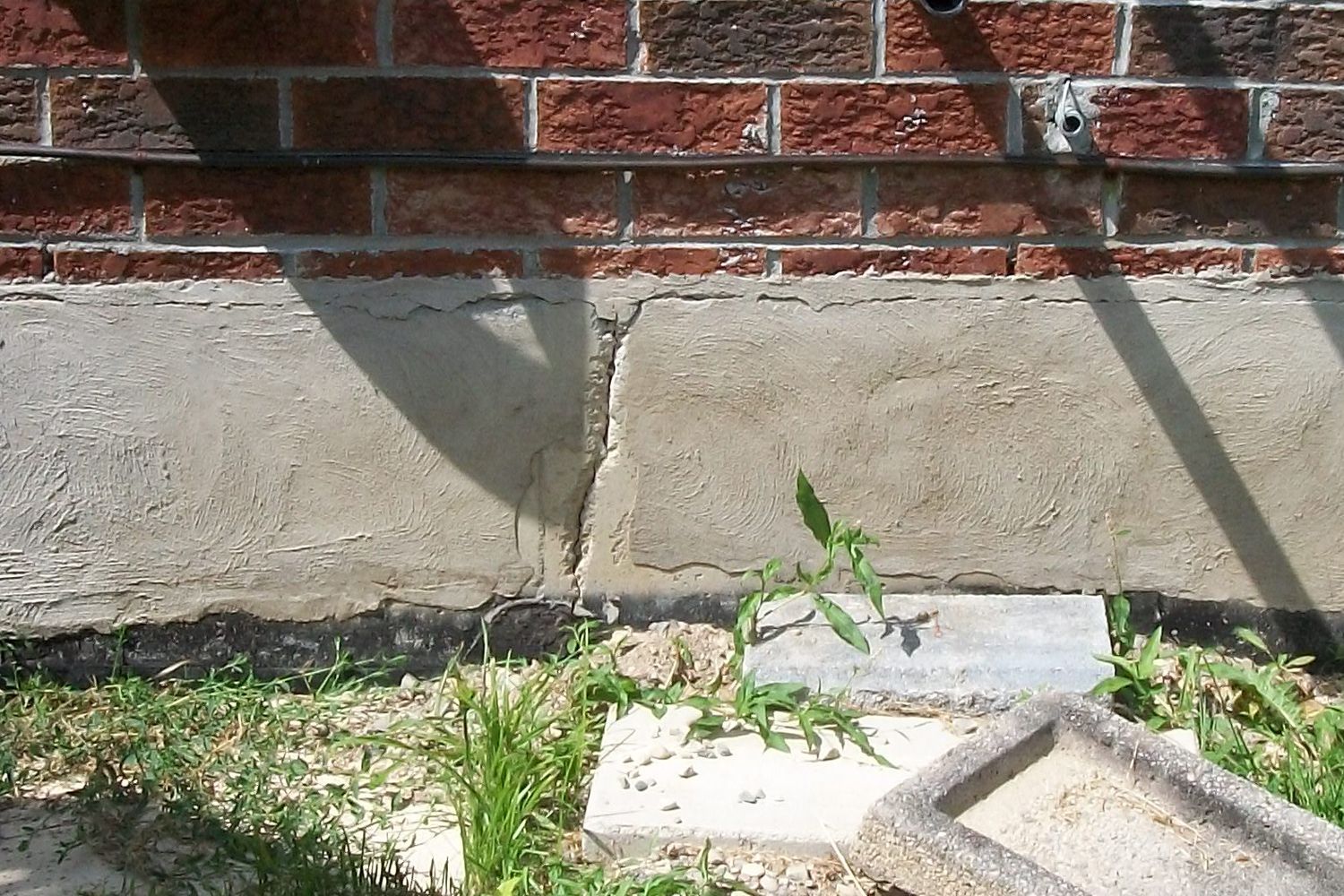
While DIY maintenance can keep your sump pump in good shape, professional inspection and servicing offer more comprehensive care. An expert can spot potential problems that you might overlook, such as worn-out components or structural issues, and fix them before they cause significant damage.
Your sump pump is a crucial line of defense against basement flooding and water damage. Regular maintenance not only ensures optimal performance but also extends the life of the pump. While some maintenance tasks can be done yourself, others should be left to professionals.
If you're seeking professional help for your sump pump maintenance, DryBasements.com Ltd. is your trusted partner. With locations in London, St. Thomas, Stratford, Woodstock, Brantford, Kitchener, Waterloo, and Cambridge, we're dedicated to providing you with high-quality service that meets and exceeds your expectations. Contact us today to schedule a consultation, and let us help you keep your basement dry and your sump pump in peak condition.