
Is Crack Stitching the Solution for Your Foundation Problems?
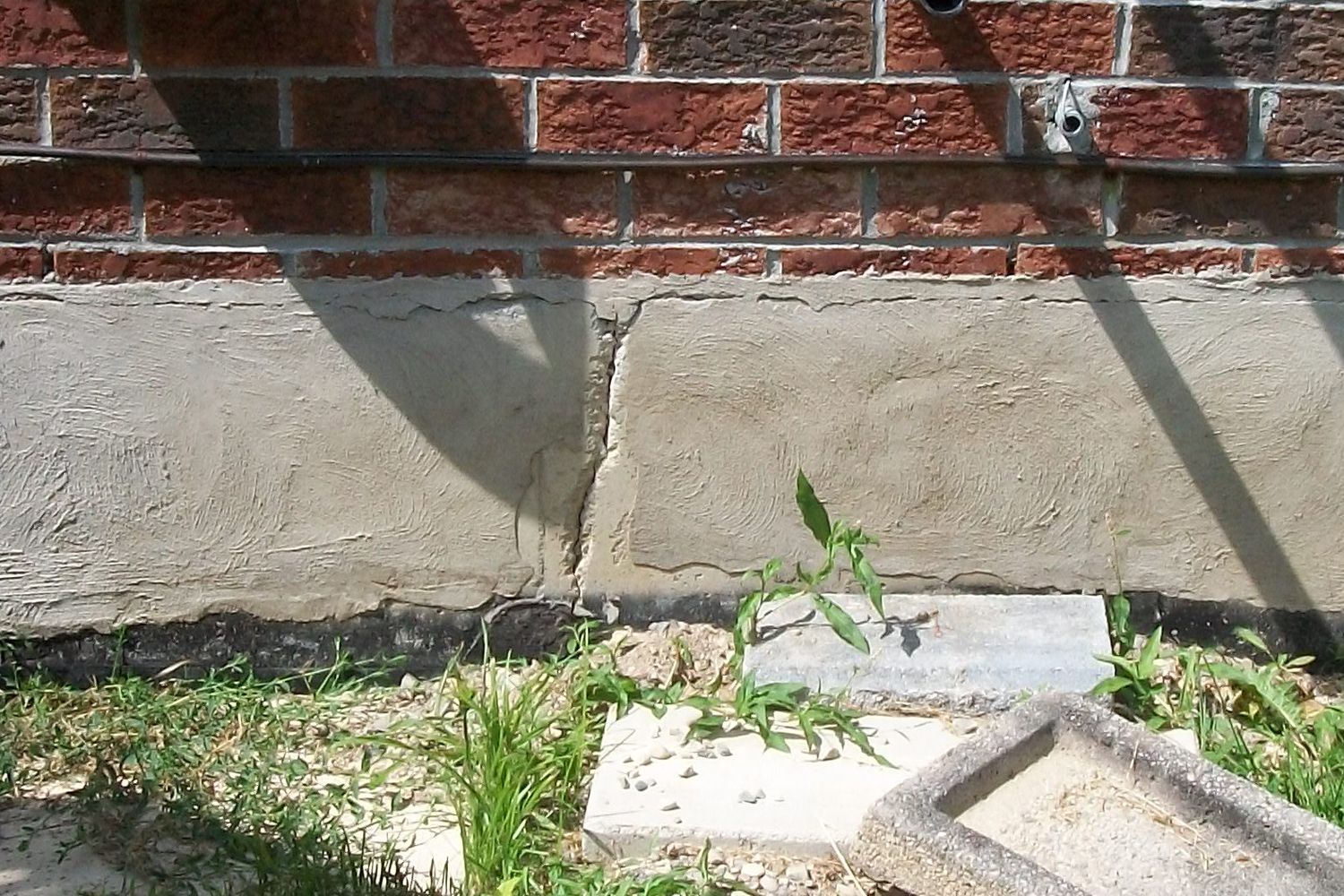
If you’re a homeowner in Woodstock, London, Kitchener, Cambridge, or nearby areas, discovering cracks in your foundation can feel overwhelming. While some cracks may be superficial, others can signal movement, water entry points, or long-term foundation stress. Understanding the cause of these cracks is the first step to protecting your home.
Common causes include shifting soil, hydrostatic pressure, freeze-thaw cycles, and natural aging of materials.
What Is Crack Stitching?
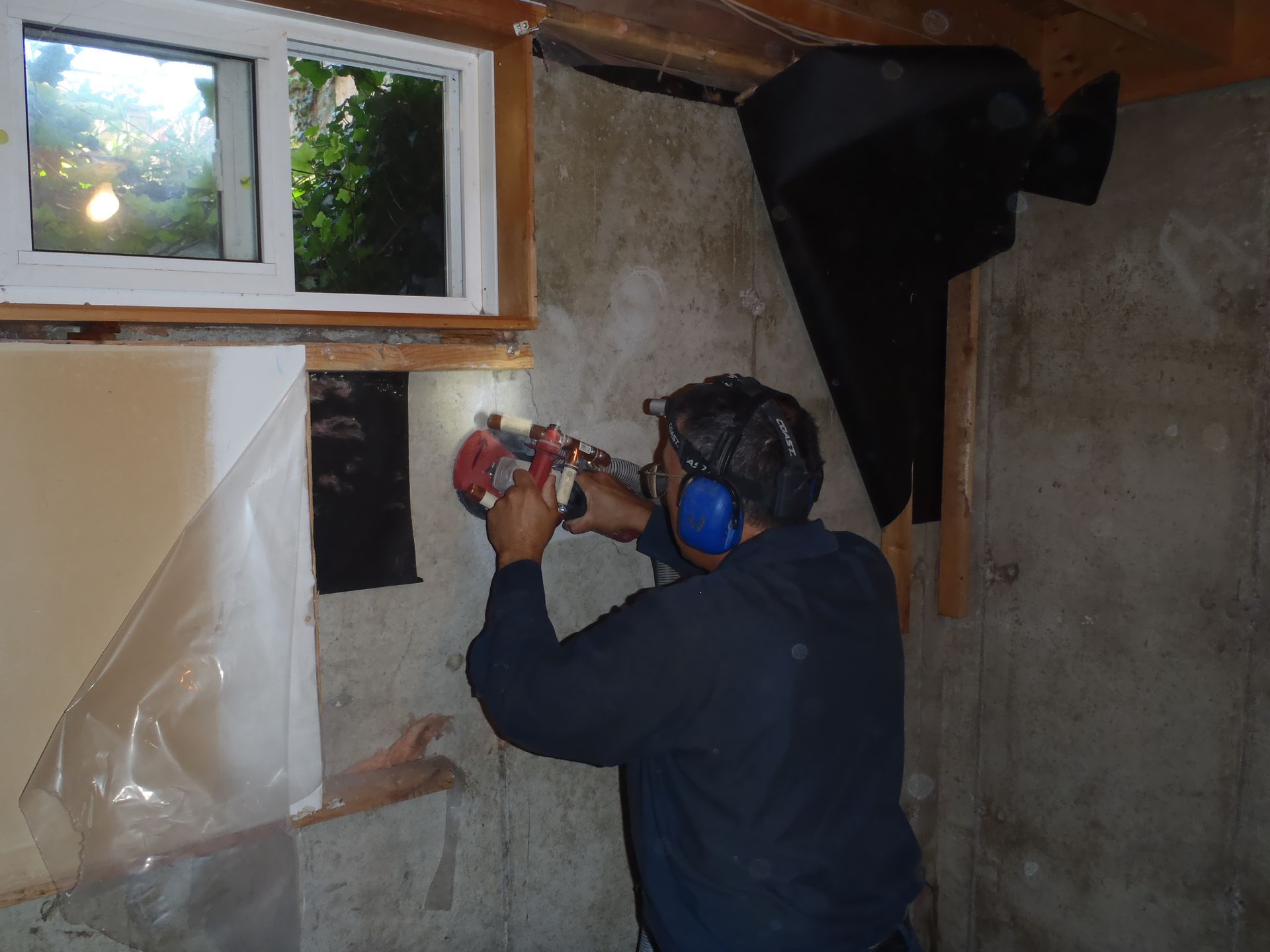
Crack stitching is a specialized repair method used to restore structural continuity to cracked concrete foundation walls. Unlike surface sealants or flexible fillers, this technique uses carbon-fibre stitches embedded into epoxy filled cuts made across the crack before injecting structural epoxy. These stitches are installed perpendicular to the crack and permanently bond the wall back together.
Carbon fiber is ten times stronger than steel, making it ideal for resisting future movement in concrete. The process helps stabilize the wall while also sealing it against further water infiltration.
This method structurally heals the crack by bonding the concrete and eliminating damaging foundation movement.
When Is Crack Stitching the Right Choice?
Crack stitching is typically recommended when:
• Foundation cracks are caused by movement but have stabilized
• You want a permanent structural repair, not just a cosmetic patch
• The crack is in poured concrete (this method is not used on block, brick, or stone)
It’s particularly effective for vertical or diagonal cracks caused by settlement or thermal expansion/contraction. For homes in Brantford, St. Thomas, or Stratford, where clay-heavy soils and weather swings are common, these types of cracks are frequently encountered.
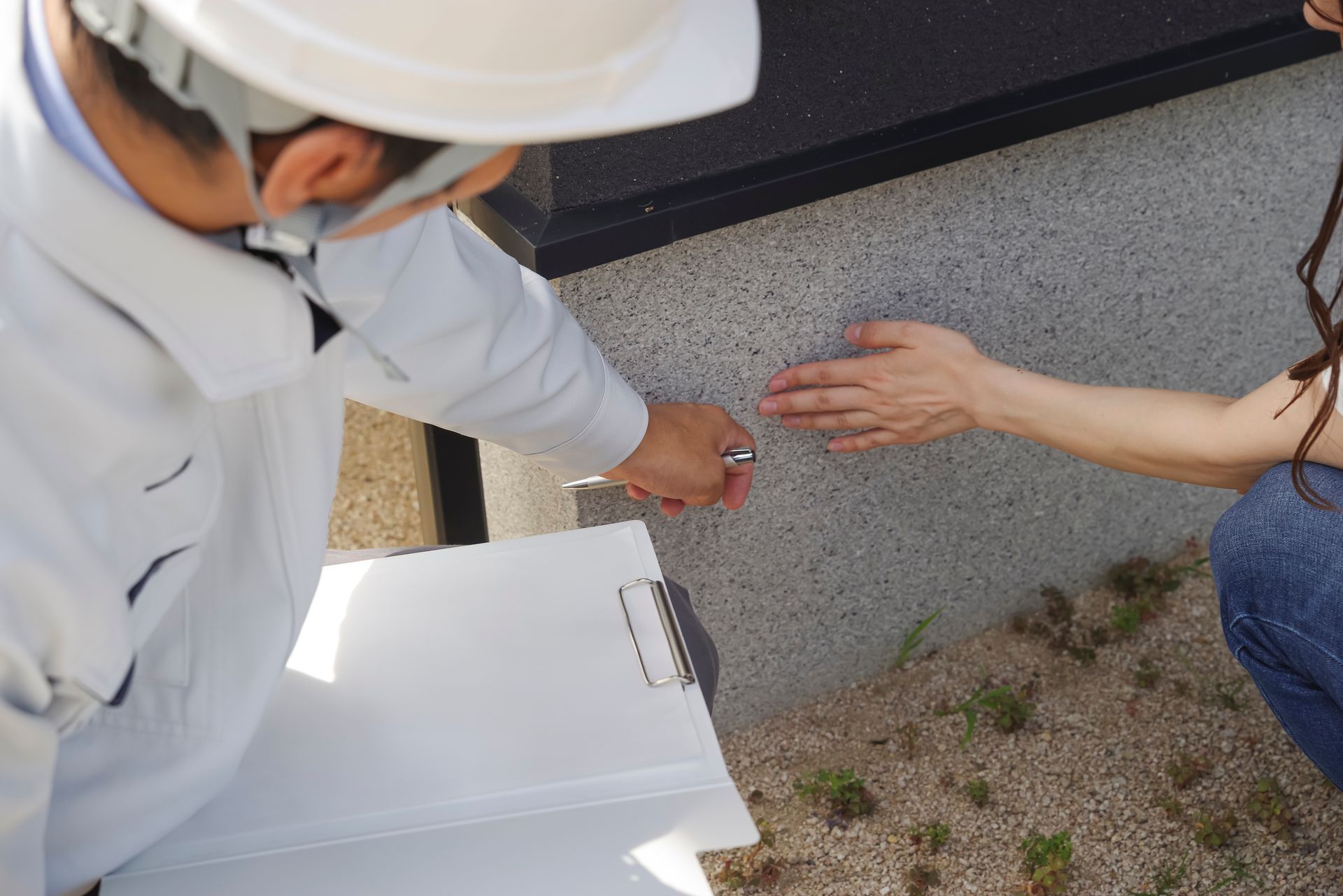
⚠️ There is no one-size-fits-all cure for foundation cracks. Not all cracks are suitable for injection or stitching, and each should be professionally assessed to determine the most appropriate repair.
Benefits of the Carbon-Fiber Stitching Process
Structural Integrity: Bonds cracked sections of the wall back together and resists future movement
Water Mitigation: Epoxy injection seals crack right through the wall to the outside which prevents water from seeping through the crack
Minimal Disruption: Performed entirely from the inside with no excavation
Long-Term Performance: Backed by our Written Lifetime Warranty (details apply)
Avoiding Short-Term Fixes
While some lower-cost repairs may rely solely on injection, skipping carbon-fibre stitching altogether, these will be more likely to fail over time. Ongoing thermal cycles and changing soil pressures due to changes in the soil's moisture content can cause unreinforced cracks to reopen.
While flexible polyurethane injection may seem like a simpler solution, it does not provide structural reinforcement, and will often fails after repeated expansion and contraction.
DryBasements.com uses crack stitching to ensure repairs meet long-term performance standards—not just short-term expectations.
Local Knowledge, Trusted Repair
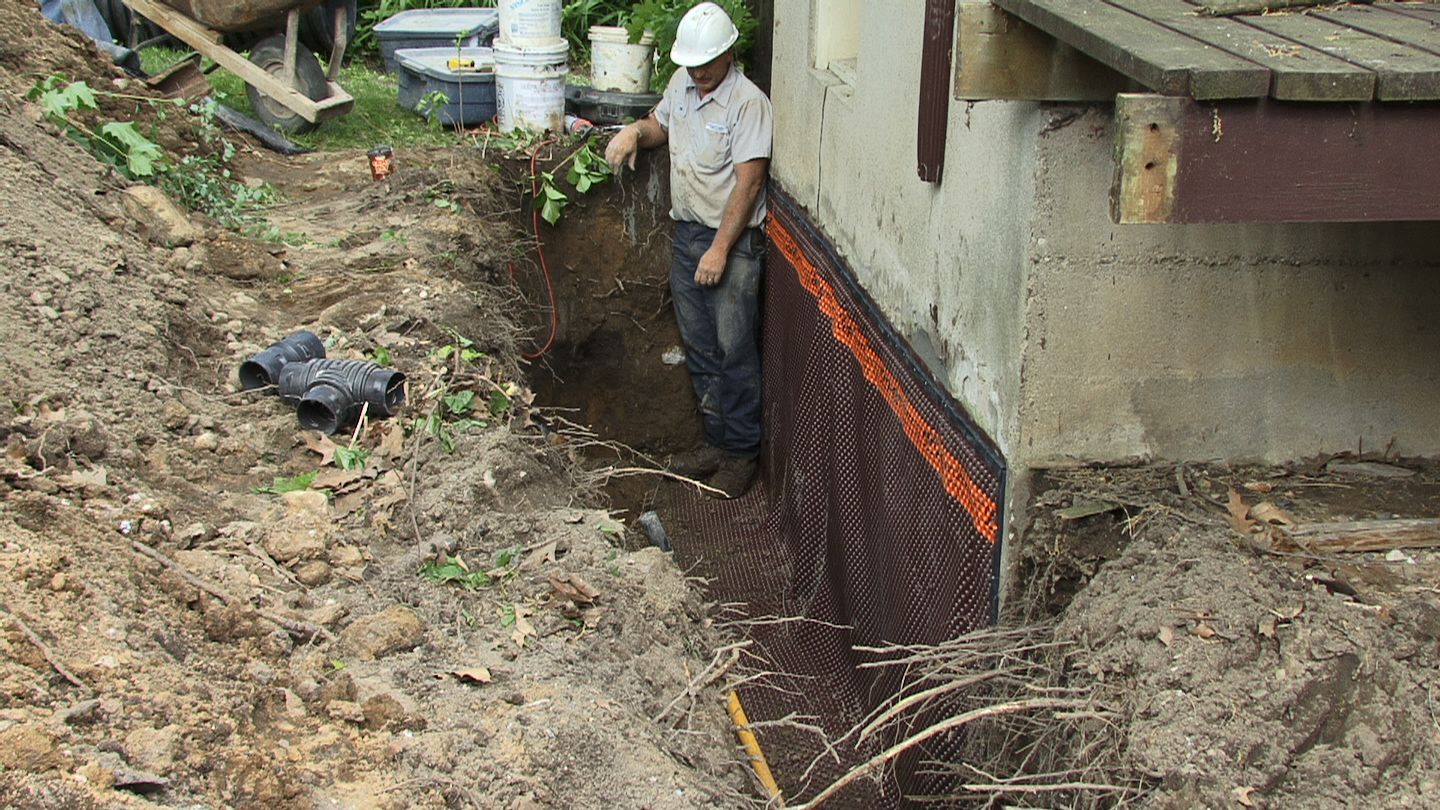
DryBasements.com has extensive experience with the unique conditions across Southwestern Ontario. Our technicians assess each crack to determine whether stitching, excavation, or other structural solutions are appropriate. We don’t take a one-size-fits-all approach—because every foundation tells a different story.
Concerned About Foundation Cracks? Let’s Talk
If you’ve noticed cracking in your basement walls—or if past repairs have failed—schedule a professional inspection with DryBasements.com. We serve homeowners throughout Woodstock, Kitchener, Cambridge, and surrounding areas.
📞 Call us today or🌐 Visit www.drybasements.com to request your no-obligation assessment.
We’ll help you determine whether crack stitching is the right solution—and give you the confidence that your foundation is secure for years to come.